

science
The regret tree is considered an emblematic forest species in zone 3 of Guatemala City. Know more details about this tree.
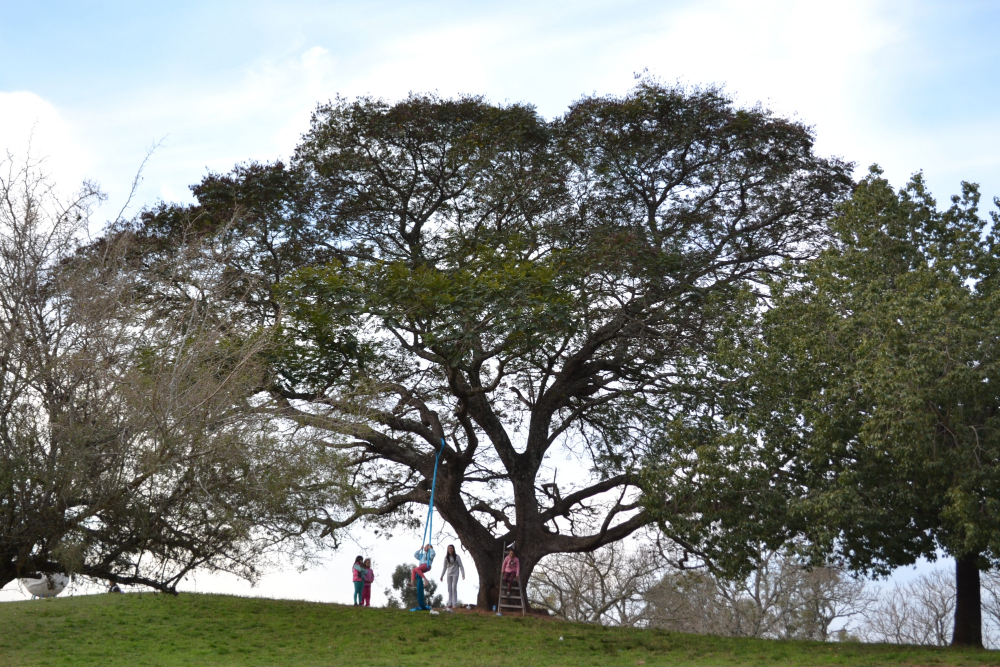
Large species such as the mouth tree can measure up to 40 meters high. The image is only illustrative. (PHOTO FREE PRESS: UNSPLASH)
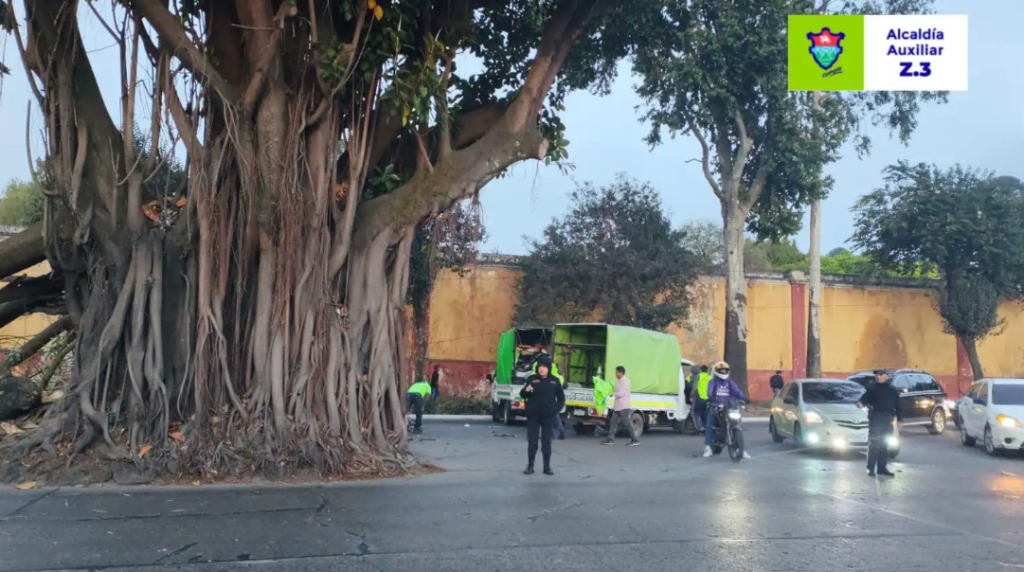
THE AUXILIARY HALL OF THE CAPITAL AREA 3 He announced that the “tree of the regrets” or “amate” will be talked, an emblematic species located in that town for the risk it implies for neighbors. This is located in the vicinity of the general cemetery.
According to the institution, This decision was made as a result that the species is in its overmadurity stageso there is a danger that This tree falls on public roadswhich would put the lives of pedestrians that mobilize in the area.
As a result, the commune Evaluates the possibility of replacing this species for any that does not represent a danger to the community. However, said tree has not yet been talked.
In accordance with the aforementioned by the Auxiliary Mayor’s Office, This tree has a special history and meaning that will last in the memory of the Guatemalans.
What species do the regret tree belong to?
The unfortunate tree belongs to the species INSIPED FICUSpopularly known as “amate tree”which in turn is part of the family Moraceaeaccording to information from the Biodiversity Portal of Guatemala and the University of Arizona.
One of its main characteristics is its large size. Amate’s tree can measure up to 40 meters And it is considered a perennial plant with rapid growth, so it is capable of reaching that height easily.
Some data and characteristics of the amate tree
- This species has a smooth or gray or pale tone bark.
- The shape of its cup is open, dense, widespread and round, so it is able to provide shadow to passersby.
- Their leaves are bright green and have yellow veins that differentiate them from other species. These can measure five to 25 centimeters long and 11 wide
- This tree is not only found in Guatemala, but also in Brazil, Mexico, Paraguay and other Latin American countries, especially in the Caribbean.
- The species is native to always wet forest and seasonally dry deciduous, according to data from the University of Arizona.
- Also, experts indicate that “The tree develops buttue roots and has a strangulatory growth habit”
- It is considered to have medicinal propertiesespecially for gastrointestinal health. However, if you want more information about its curative use it is important to go with a specialist.