

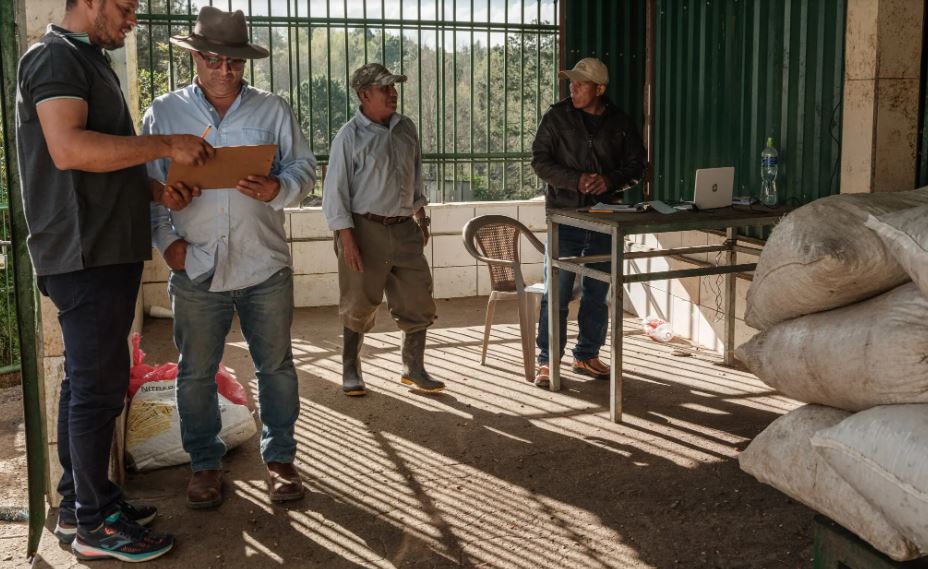
They should be wonderful times at the El Puente estate, a coffee plantation in the mountains of Southwest Honduras. In world markets, the price of ordinary coffee has more than duplicated in the last year. Special coffee varieties harvested on the farm have been charging a considerable premium for a long time, which reflects its condition of source of aromatic concoctions that are savored as a good wine from Seattle to Seoul. A recent afternoon, a Buyer from Malaysia was visiting to try the latest offers.
However, the owners of the plantation – Marysabel Caballero, a fourth generation coffee grower, and her husband, Moisés Herrera – are increasingly concerned. Production costs have shot. They must pay extra salaries to attract few workers; The fertilizer has become more expensive. Inopportune rains and volatile temperatures have devastated their crops. Even after the increase in prices, this year they win less than the previous one.
They go around the possibility that high prices lead some coffee consumers to limit their consumption, replacing it with cheaper products such as soft drinks and energy drinks to satisfy part of their eagerness for caffeine.
The more they contemplate the future, the greater their concern. More than anything, they are worried about what is promoting upward prices: climate change, which has decreased coffee supply throughout the planet due to the increase in temperatures, droughts and excessive rains, more recently in Brazil and Vietnam , the two largest coffee producers in the world.
This is what generates anxiety in coffee plantations across the planet. Who today benefits from the rise in prices, tomorrow can be destroyed by the next calamity.
The harvest of the Finca El Puente was damaged by a cold wave in December and January, followed by late rains that deterred their workers to venture to the plantations to collect ripe fruits. Therefore, they see record prices not as much as an unexpected gain, but as a manifestation of the problems that are coming.
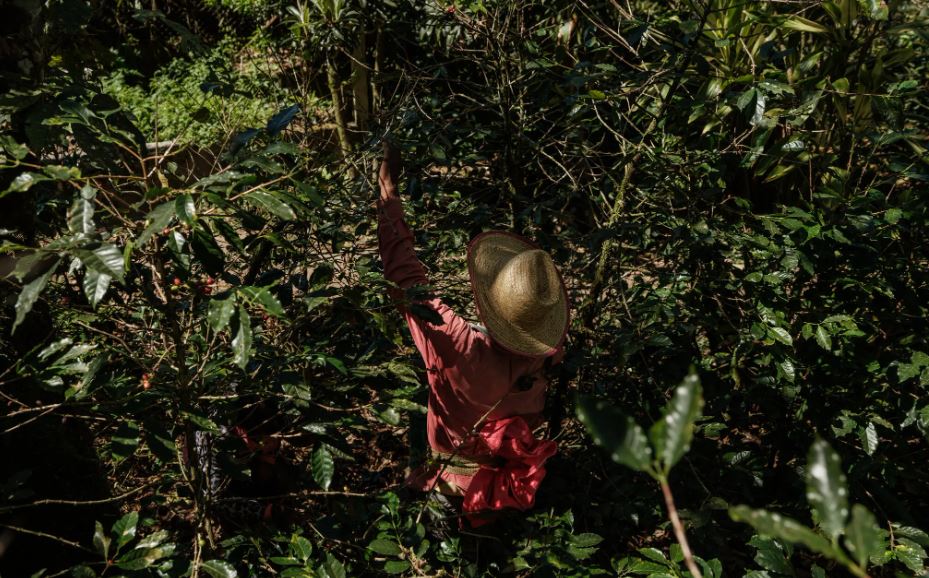
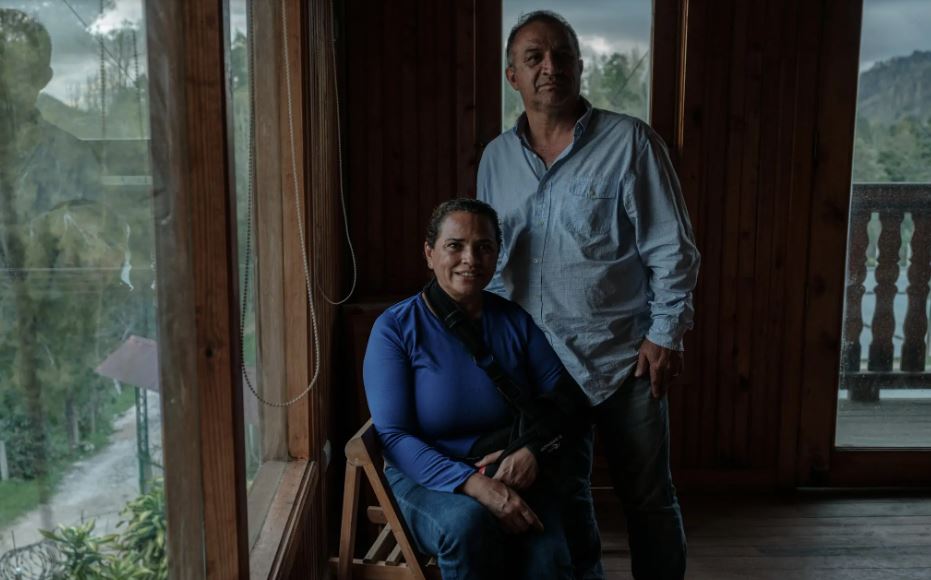
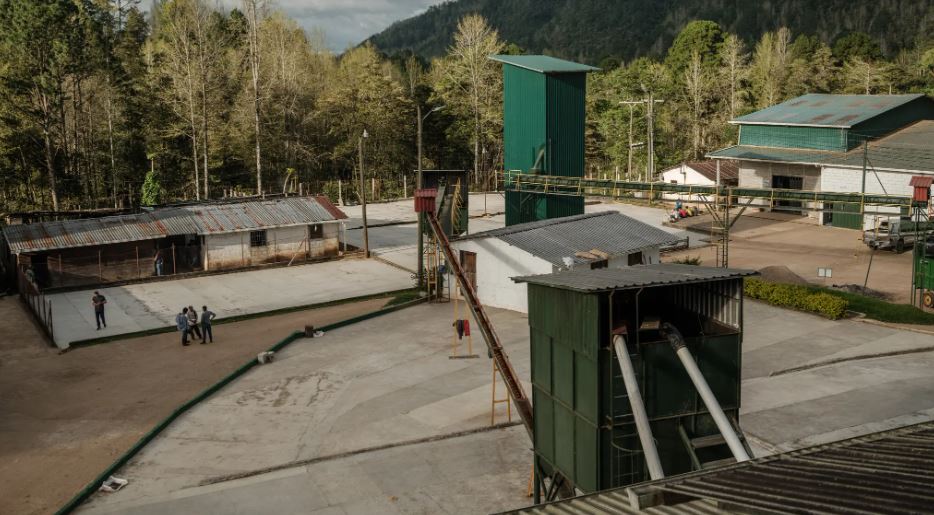
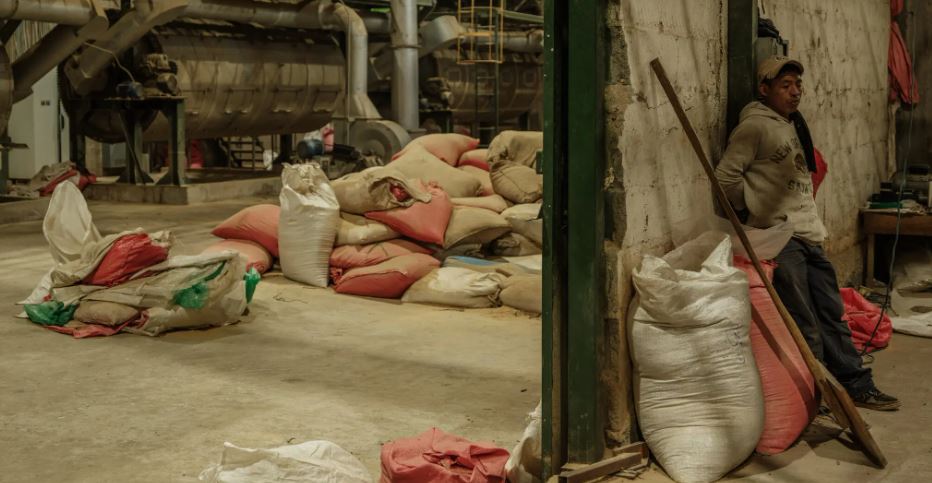
“For us, producing coffee is our life,” said Herrera, 58, while workers raised bags of about 45 kilos of freshly harvested coffee and stacked them in lots in their mill to process them. “Many producers are beginning to lose hope.”
Some see the most expensive coffee as a corrective to an international system that has long paid the producers for a long time, and that has the potential to rectify generations of injustice and environmental destruction.
“The old production methods have reduced soil health and fertility, and do not allow climate change to resist,” said Amanda Archila, executive director of Fairtrade America, a non -profit organization based in Washington that establishes environmental standards and Social for coffee producers, certifies those who comply and connect them with world markets at minimum guaranteed prices. “At higher prices it is where we have to go, prices that allow these farmers to invest in the future of coffee.”
60 percent of the world coffee is produced by about 12.5 million people who work in plantations of just over 20 hectares – and the majority much smaller -, according to World Coffee Research, a non -profit organization that promotes sustainable agricultural practices . About 44 percent of these so -called small farmers live below the poverty threshold established by the World Bank.
If farmers earn more, the idea is that they can change to coffee varieties resistant to the increase in temperatures and the variability of rainfall. They can plant shade trees to protect their soils.
Thus, they will be better positioned to resist the wild oscillations of prices that for centuries have governed international raw material markets, managing their long -term plantations.
In the same way that the pandemic disturbed world trade, causing the scrutiny of the supply chains of crucial items such as pharmaceutical products and computer chips, high coffee prices have exacerbated attention on the conditions that determine their production.
The question is whether this renewed attention will result in a change.
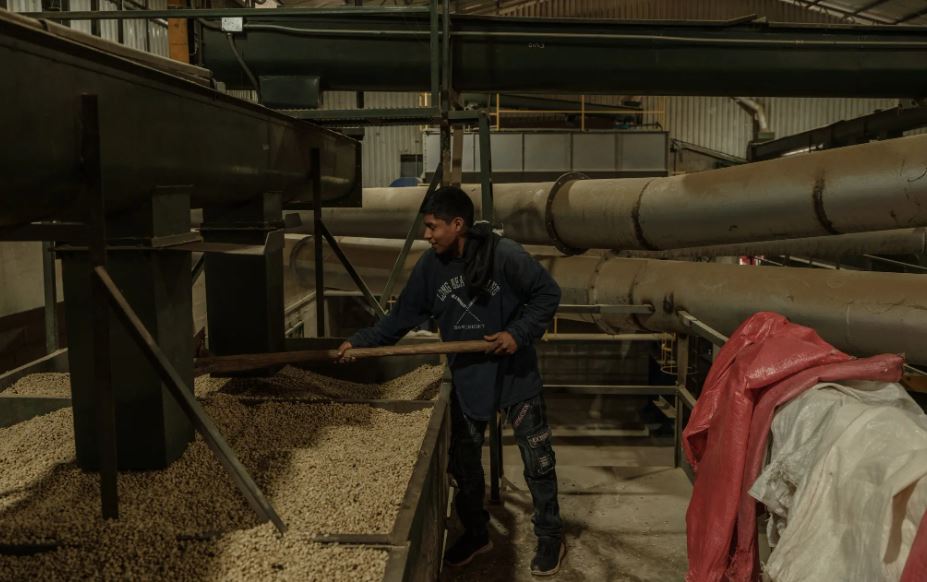
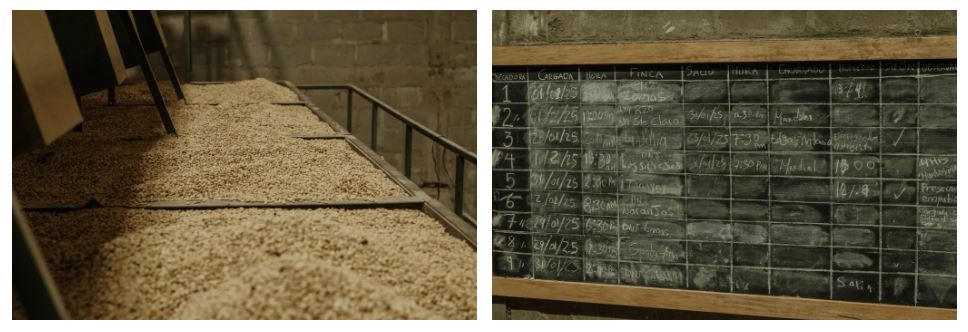
On the El Puente estate, a board shows information about what coffee beans are in each dryer. (Free Press Photo: The New York Times)
Chaos in the market
The history of coffee is, to a large extent, the history of exploitation to increase the offer and lower prices.
The colonial empires established plantations in Asia and South America to meet the demand of Europe and North America. They enslaved African workers and snatched land from indigenous communities. They destroyed the forests to clear the terrain and plant more coffee trees. Human misery and environmental devastation demonstrated the cost of converting coffee of a luxury good into a basic product.
Even in modern times, the company has revolved largely around the scale and abundance. Coffee harvested and processed in green grains from Colombia to Kenya has been sent to boutique toaster already vast agroindustrial conglomerates of the richest countries. It is a chain that connects workers who earn only 2 dollars a day in Latin America, Asia and Africa with people who pay more than double for a capuchino in Copenhagen, Dubai and Boston.
Traditionally, most of the profits have been obtained by large coffee toasters. Their profits have grown together with the price of coffee beans, although many growers have not managed to get a part of the extra harvest.
JM Smucker Company, whose brands include Folgers and Cafe Bustelo, saw increase their retail sales of coffee 3 percent between August and October, with a profit margin of more than 28 percent. The company’s managers told stock market analysts that they had managed to transfer to customers the additional costs of their grains. (The average retail price of ground roasted coffee has increased by 15 percent in US cities in the last year, exceeding $ 7 by almost half a kilo, according to federal data, and experts widely foresee that there will be greater than larger increases).
“Coffee, as we all know, is a category of transfer,” said the company’s executive director, Mark Smucker, which means that these additional costs can be easily impact on consumers without losing sales, usually because a product is considered essential . “We are very satisfied with our trimester results, although we continue to observe significant inflation.”
The events of recent years have revealed the vulnerabilities of the system, while introducing new ones. The droughts of Brazil and Vietnam, combined with the interruptions of international maritime transport, have made coffee grains scarce.
Changes in regulations have also increased uncertainty. A new European law aimed at limiting deforestation has forced the producers of many raw materials – including coffee – to demonstrate that they do not tal down trees, which adds bureaucracy and uncertainty in commerce.
Given the perspective of chaos, raw material producers successfully pressed the European Union to delay the law until next year. Some toasters have collapsed coffee before the law enters into force, which has increased the demand for grains from around the world and has raised prices.
Some Vietnam plantations, specialized in lower quality robust coffee, have dedicated themselves to Durian, a singularly acre fruit (some say it stinks), to take advantage of the increase in demand in China. This has also limited the coffee offer, raising prices. As the prices of the robust have climbed, the toasters who traditionally bought cheaper coffees have opted for ranks of higher quality Arabica, raising those prices.
The difficulties of key financial actors in coffee trade have also generated a vicious circle of price increase.
Article written by Peter S. Goodman. Photographs by Alejandro Cegarra.
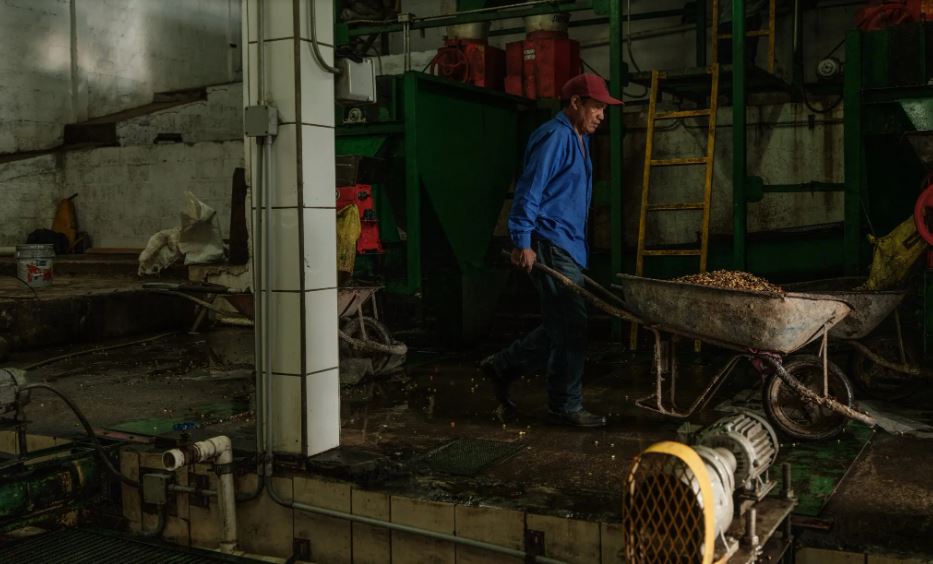
Peter Goodman visited coffee plantations, merchants and processing mills throughout Honduras.