

Although its cause is unknown, night terrors can affect a person during their childhood and even in adult life.
Night terrors usually associate with nightmares or fear of sleeping at night. However, these disorders are much more complex. In the field of medicine, they are known as Parasomnias.
Although its exact cause is unknown, some triggers of night terrors can be Fever, lack of sleep and periods of emotional tension, stress or conflictsaccording to Medlineplus.
Parasomnias are more frequent between three and seven; Subsequently, they are much less common. However, they can be hereditary and, in the case of adults, they present themselves when there is emotional tension or consumption of alcoholic beverages.
What are night terrors?
Night or parasomnias are behaviors that affect sleep. “In some cases, people walk, speak or make movements to represent a dream. In others, they wake up with fear or feel that they cannot move, ”specialists from the Cleveland clinic mention.
These symptoms can be indications of night terrors:
- Talk while sleeping
- Somnambulism
- Nightmares
- Confusion when awakening
- Forget what was done during the night
“When these events occur, others may think you are awake, but you’re really asleep. In the morning, you may not remember what you did while you slept, ”says experts.
5 tips to combat night terrors
If you want to deal with this problem, you can resort to these measures proposed in the Home Remedios Manual by Dr. John H. Renner and the Institute for Research in Information on Consumer Health (Chirifor its acronym in English) of the United States.
1. Keep a regular sleeping schedule
Both to combat night terrors and to prevent other sleep disorders, Establishing a specific sleep schedule could mitigate the effects of parasomnia. This advice is especially important during childhood, since a child who does not sleep at an adequate schedule can develop night disorders.
2. Release the hazard atmosphere
If you suffer from violent night terrors, Stay away from sharp objectsclose doors and windows, avoid disorder on the floor to prevent stumbling blocks and do not sleep in a literary bed. It is also prudent to sleep at the first level of the house and consult the doctor if their night fears are very violent or dangerous.
3. Avoid alcohol and drug use
Drugs and alcohol can trigger night terrors, so their intake is not recommended. In the case of alcoholic beverages, These cause the dream to be less deepwhich increases the possibility of suffering from this disorder.
4. Reduce tension
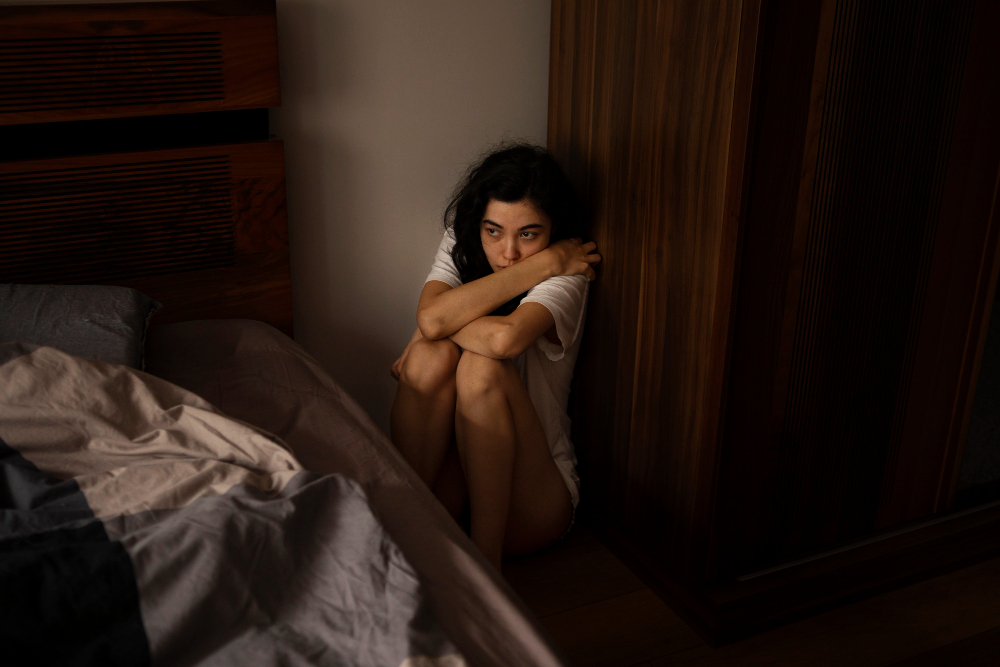
Specialists point out that voltage aggravates night terrors and this can happen at any age. Also, if you observe a person in an episode of parasomnia, Talk to him in a calm and soft tone and try to take her back to bed.
5. Know the triggers and avoid them
Each person suffering from night disorders has some trigger that generates the episodes of parasomnia. For example, some children sleep with the lights on to avoid night fears, since the first two hours of light can trigger these episodes.
You may also be interested: what melatonin is for and why the insomnia fights
Other tips
- Limit the fluid intake before bedtime. Doctors point out that any factor that disturbs a person’s dream with this condition can cause night terrors, and a full bladder is no exception.
- If you observe someone who suffers from night terrors, don’t try to wake him up. As mentioned above, the ideal is to act calmly and lead the person quietly to his bed if he is in his possibilities.
- If episodes are persistent or violent, it is time to seek professional help. In any case, it is advisable to request the guidance of a sleep disorders specialist to determine the most appropriate treatment, especially if the symptoms persist.