

A Blood moon The sky of Guatemala and that of other countries in America illuminated the dawn of March 14, a rare celestial show that will be followed, weeks later, of a partial sun eclipse.
The lunar eclipse, the first of the year, was visible in its totality phase from America, a large part of the Pacific and Atlantic oceans and at the western end of Europe and Africa.
Thousands of Guatemalans waited this day to witness this phenomenon, which occurs around twice a year, when the sun, the earth and the moon, in their full phase, are perfectly aligned.
The earth projects its shadow on the moon, which gradually loses its white brightness.
However, part of sunlight continues to reach the satellite, filtered through the Earth’s atmosphere, which gives it a reddish tone.
The eclipse had a duration of about six hours and its totality phase extended for a little more than an hour.
Days later, on March 29, a partial sun eclipse will cover part of the land globe.
It will be visible in East of Canada, Europe, Northern Russia and Northwest Africa.
As with the lunar eclipse, a solar eclipse occurs when the sun, the moon and the earth are perfectly aligned. In this case, the moon stands between the sun and the earth and hides the star, totally or partially.
Even when the eclipse is partial, the sun must be observed directly without ocular protection. It should only be done with special glasses, since its rays can burn the retina, which causes irreversible consequences.
Photographers of Free press They were at strategic points of Guatemala to capture the best images of the total eclipse and the Blood moon.
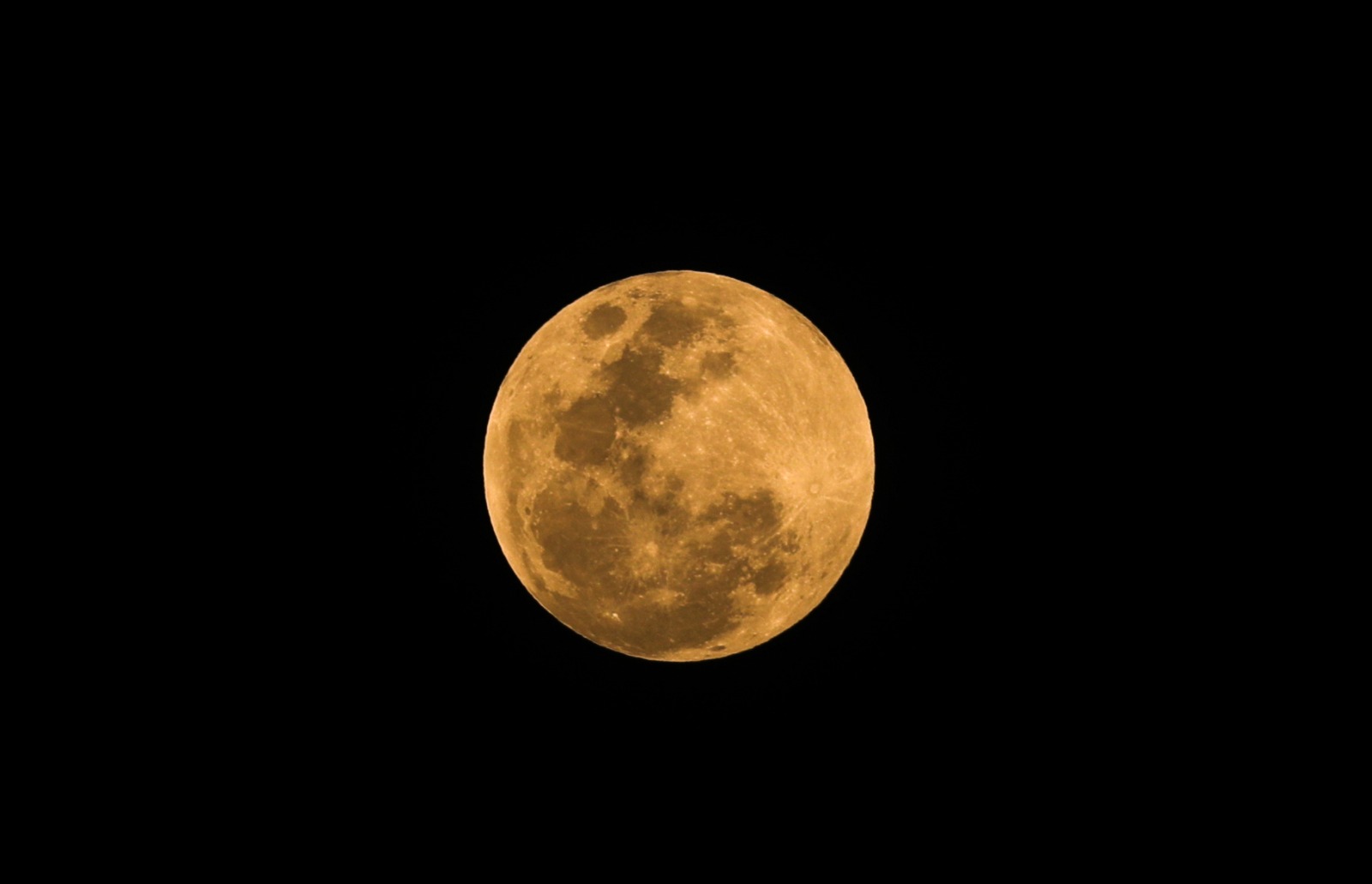
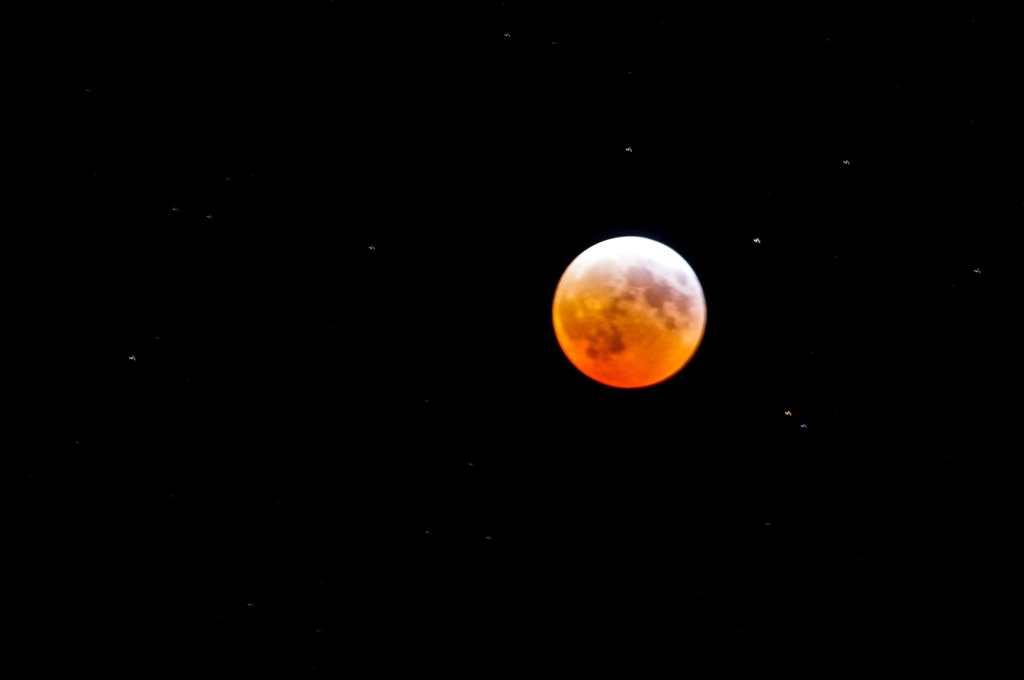
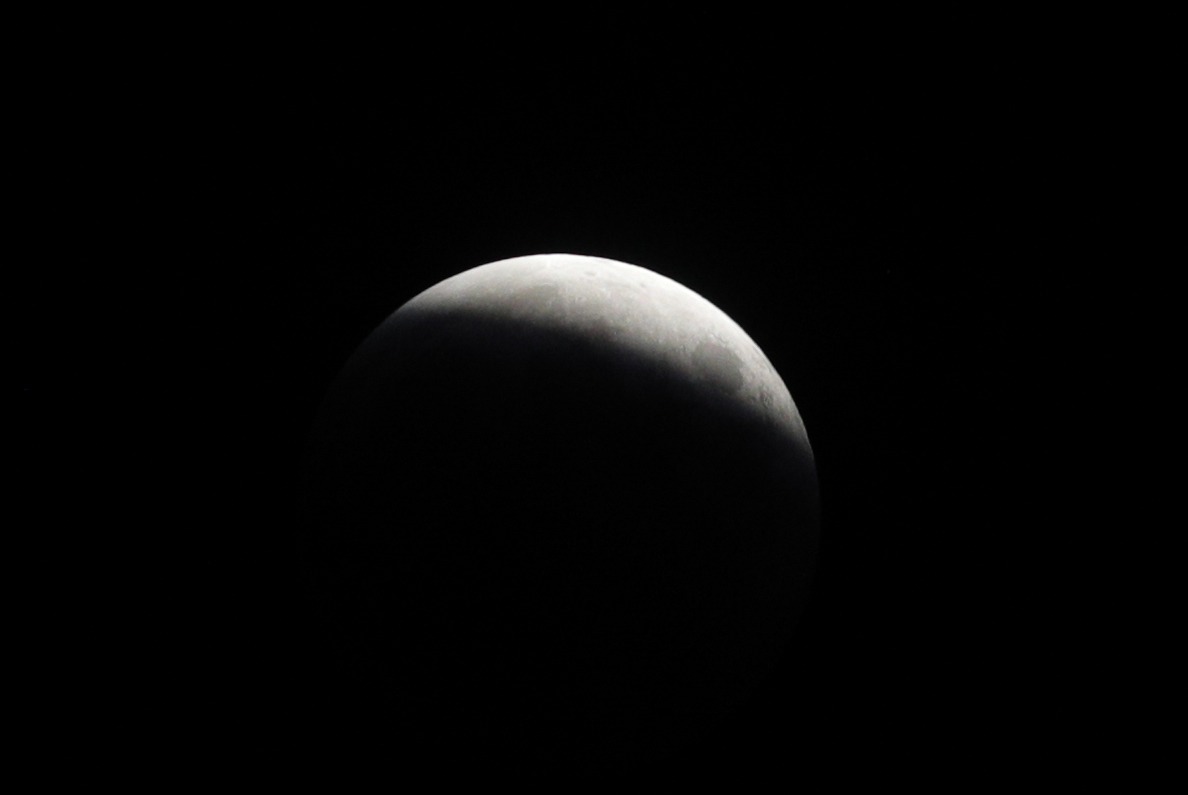
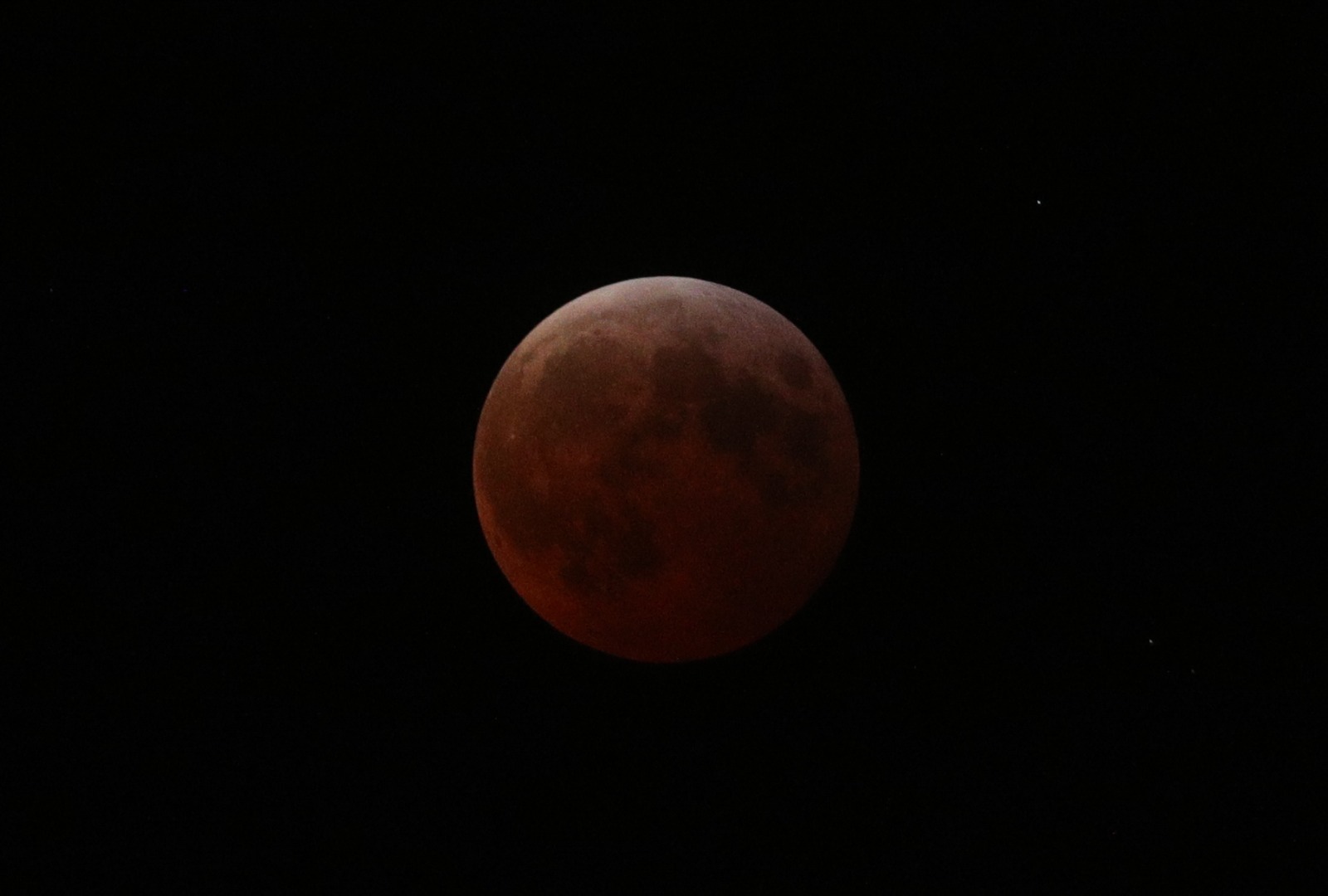
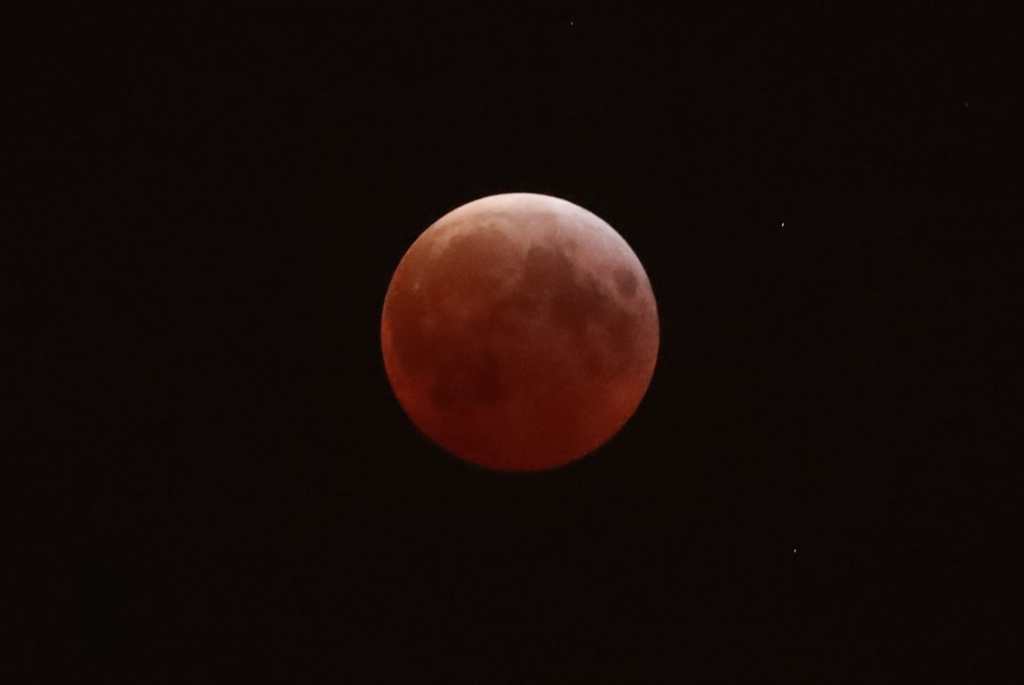
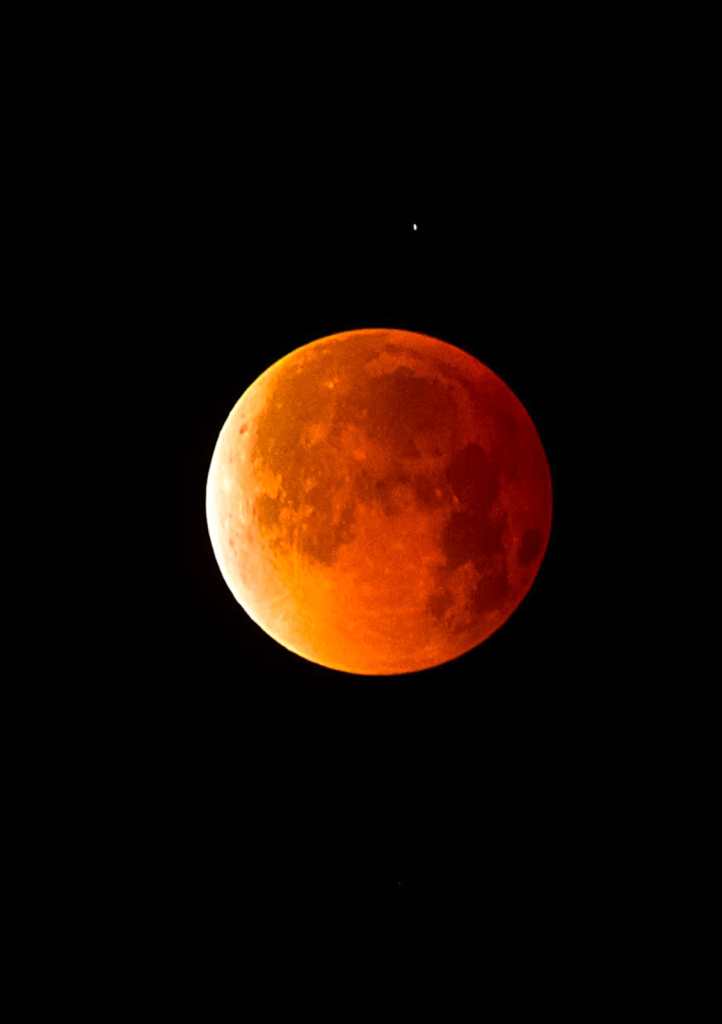
🌕✨ Eclipse lunar 2025 | Thus the moon looks tonight, shortly after the phenomenon of the Blood Moon.
🔭 Astronomer Edgar Castro informs that the eclipse can be observed between 9:57 p.m. and 4 p.m. on Friday, March 14.
🌑 The maximum point will occur at 0.58 … pic.twitter.com/jqormg0uar
– Free press (@prensa_libre) March 14, 2025