

Since he returned to the White House, on January 20, the Republican has imposed different tariffs on different countries and products, sometimes delaying or retracting their decisions.
But this Wednesday, in what he defined as the “Day of Liberation”, Trump announced the application of a 10%rate to all imported products that reach the United States and superiors for dozens of countries, including China (34%) and the European Union (20%), with which the North American country maintains bulky commercial deficits.
The measures have caused a wave of criticism against Washington and have already begun to emerge economic countermeasures.
Therefore, for many analysts, what is currently happening evokes a critical moment in the world economy that took place almost 100 years ago.
Nationalism
In 1930, a commercial protectionism began.
In June of that year, the law of tariffs was promulgated in the US, also known as Smoot-Hawley, because it was promoted by Senator Reed Smoot and deputy Willis Hawley.
The measures adopted in this instrument are responsible for sharpening the great depression of 1929, which affected multiple countries, lasted for a decade, caused a strong fall in the gross domestic product (GDP) and left millions without work.
An anecdote referred to in an article by the British magazine The Economist It accounts for the impact of the legislation.
“I almost kneel to beg Herbert Hoover (the US president on that date) that he would veto her. That law intensified nationalism throughout the world,” said Thomas Lamont, presidential advisor and shareholder of the Inversion Bank JP Morgan.
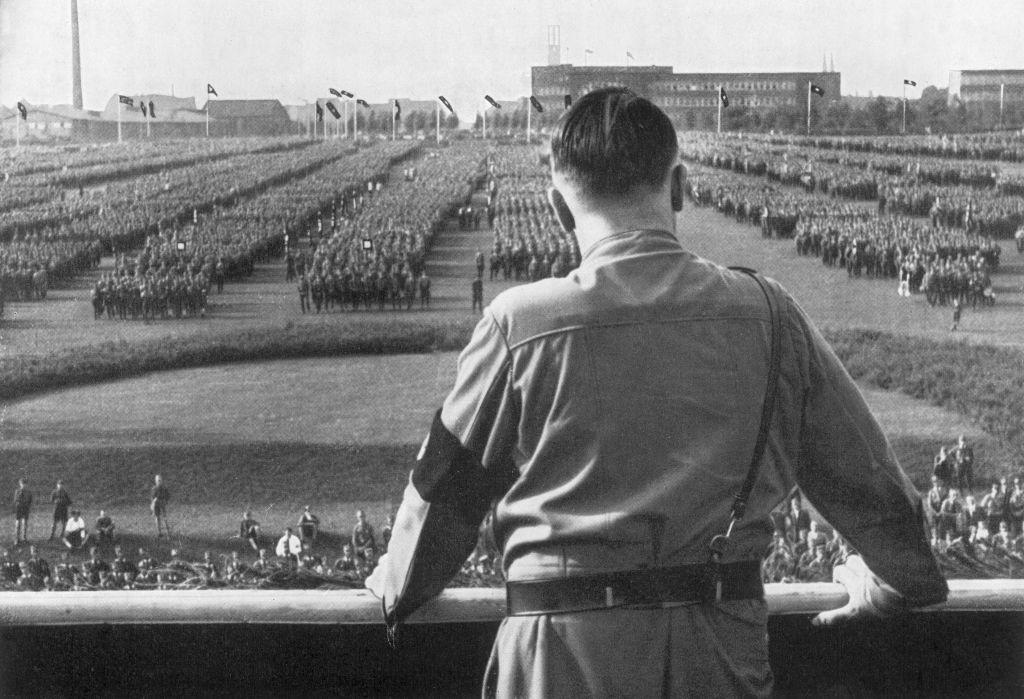
There are those who are even convinced that the law played an important role at the beginning of World War II because it reinforced positions such as Adolf Hitler’s.
Protection?
The Smoot-Hawley law increased import tariffs of around 900 products by an average of between 40% and 60% with the aim of protecting farmers and US companies, it is read in an article published by the Institute of Corporate Finance (ICC, for its acronym in English).
Adam Augustyn, editor of the British encyclopedia, explains that in the 20s of the last century, European farmers began to recover from the devastation caused by World War I, which increased competition and made food prices go down.
Additionally, the peasants had borrowed trying to increase their production.
And a good part of the American workforce of the time was in the field, around 20%, according to CFI figures.
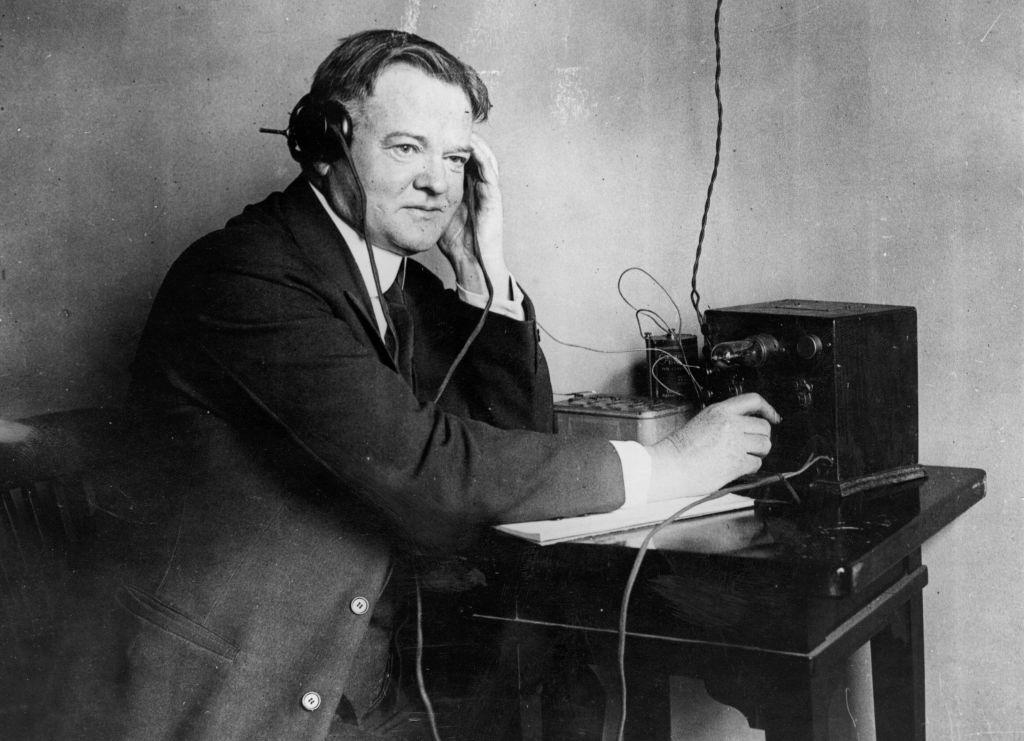
During the 1928 presidential campaign, Hoover promised to raise agricultural import prices.
However, as soon as American farmers and other entrepreneurs assumed a lobbying period for the government to promote protection measures for local farmers.
The Smoot-Hawley Law was presented to Congress in May 1929 and on June 17, 1930 President Hoover signed it.
The increase in tariffs affected a wide variety of imports: eggs, clothing, oil and sugar barrels.
It is difficult to calculate the percentage in the tax increase because its estimate depended on the volume or weight of the product, but economists estimate that the increases ranged between 15% and 60%.
Consequences
During the two years that followed the implementation of the Smoot-Hawley Law, US imports and exports fell around 40%.
Canada and Europe took reciprocal measures and tariffs increased to US products.
By 1932, sales of American products abroad went from US $ 7,000 million to 2,500 million, according to the ICC.
And if the above were not enough some banks began to collapse, the global commercial exchange decreased by about 65%, according to some data. This situation placed the world economy at a critical point.
It is difficult to know how this new chapter of commercial war between the US and its most important commercial partners will end, but recent studies ensure that tariffs will punish GDP and boost the inflation of the countries involved.
The tariffs Trump applied in his first government, in addition to affecting foreign companies, also harmed local companies and US consumers themselves, according to several academic investigations.
Far from enriching them, families had to pay higher prices. And the tax collection due to the imposition of the tariffs was very low compared to what the government collects through individual and corporate taxes.
*This note was originally posted in March and updated in April on the occasion of the new tariffs imposed by the Donald Trump government.

Click here To read more BBC News World Stories.
Subscribe here To our new newsletter to receive every Friday a selection of our best content of the week.
You can also follow us in YouTube, Instagram, Tiktok, X, Facebook and in our WhatsApp channel.
And remember that you can receive notifications in our app. Download the latest version and act.