

Community
High levels of microplastics pollute the Lakes of Atitlán and Petén Itzá, alert the EU and environmental conservation experts.
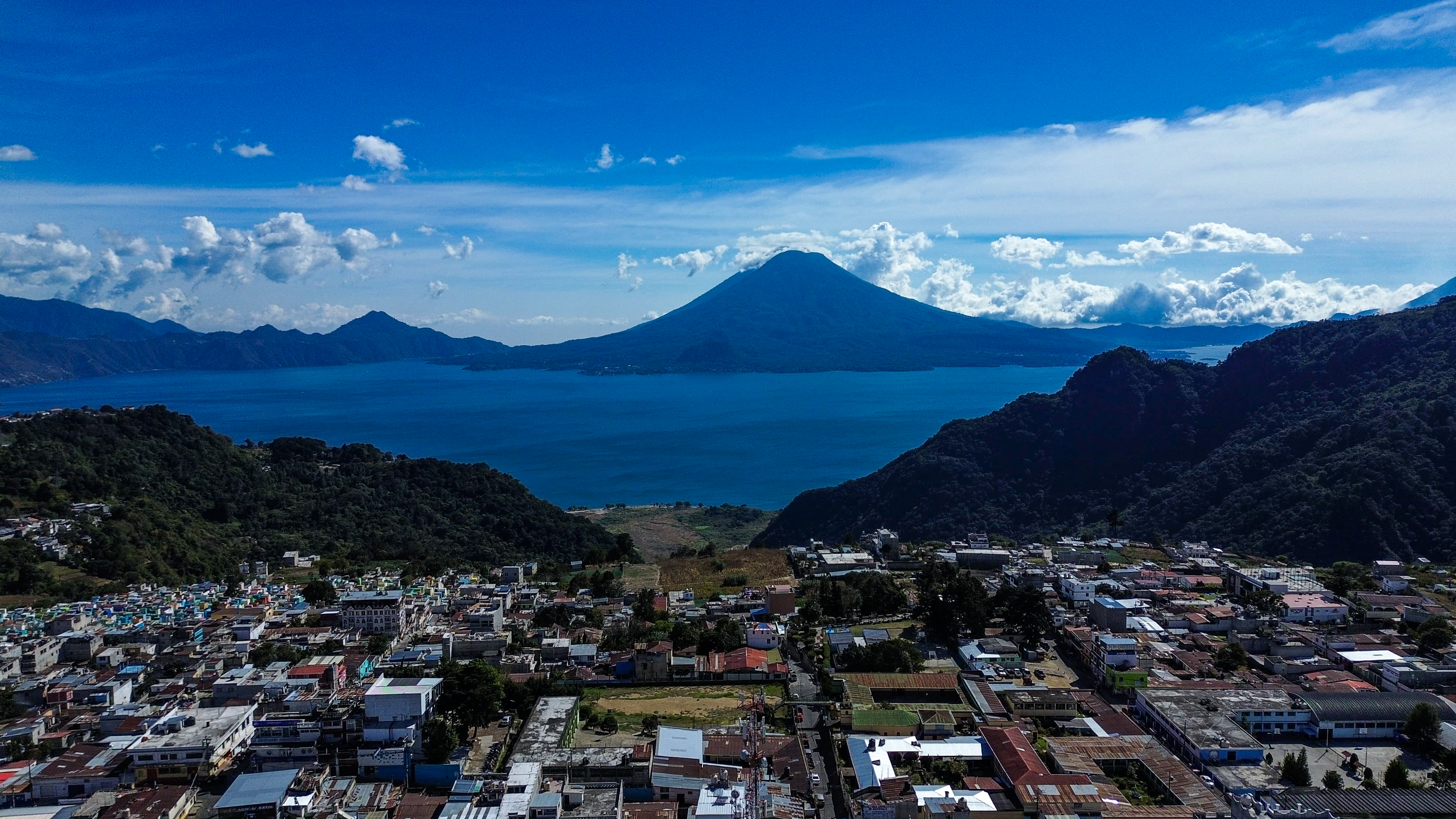
Due to the five long weekends for holidays in Guatemala in 2019, the Inguat awaits an increase in domestic tourism. One of the most visited destinations will be the Lake Atitlán basin. (PHOTO FREE PRESS: PL hemeroteca)
The European Union (EU), together with an outstanding conservationist and photographer of National Geographic, warned on Wednesday, April 9 on the high levels of microplastics that affect the main bodies of water in Guatemala, such as Los Lagos de Atitlán and Petén Itzá.
The conservationist and photographer Sergio Izquierdo revealed, during a press conference, that a recent investigation, conducted by its Rescue The Planet Foundation and two private universities in Guatemala, evidenced that Lake Atitlán, the deepest of Central America and tourist destination of thousands of foreigners, presents 128,763 microplastics for each square kilometer of surface.
The head of the EU mission in Guatemala, Mirko Puig, supported the investigation that delivered these findings and assured that the objective is to promote a strategy that impacts all economic sectors to neutralize the effects of climate change.
On the other hand, Left added that Lake Petén Itzá registers 150,000 microplastic particles per square kilometer. The conservationist also indicated that there have been mosquitoes with microplastics on the Pacific beaches, which “is a danger because they transmit it to the entire ecosystem that surrounds them.”
Izquierdo explained that Rescue The Planet performs awareness campaigns with more than 50,000 medium -level students to explain the impacts of the microplastic and the tools that can be applied, such as recycling and reduction in the use of single -use plastics.
The conservationist warned that plastic pollution costs do not stop in the impacts on the ecosystem, but also extend to “economic and health costs.”
In turn, Puig explained that there are cooperation plans with the private sector and the Guatemala government to promote the conservation of the Mayan biosphere, located at the northern end of the country, as well as to neutralize the contamination of the tributary of the Motagua River.
Izquierdo is known in Guatemala for his work as a wildlife and filmmaker, and has published books on the fauna and ecosystem of the country.