

Guatemala continues to consolidate as a relevant actor in the Avocado exportand the recent inauguration of a modern packing plant In the east of the country it promises to accelerate this progress.
Through the new infrastructure, the presence of the Guatemalan fruit in international markets will be strengthened, especially while the efforts for their entry into US market.
These are 10 key data that explain how the country has gained space in foreign trade in this fruit and why this new plant represents a strategic step for the Guatemalan agro -export sector:
1. Inauguration of the Avopack Packer Plant in Santa Rosa
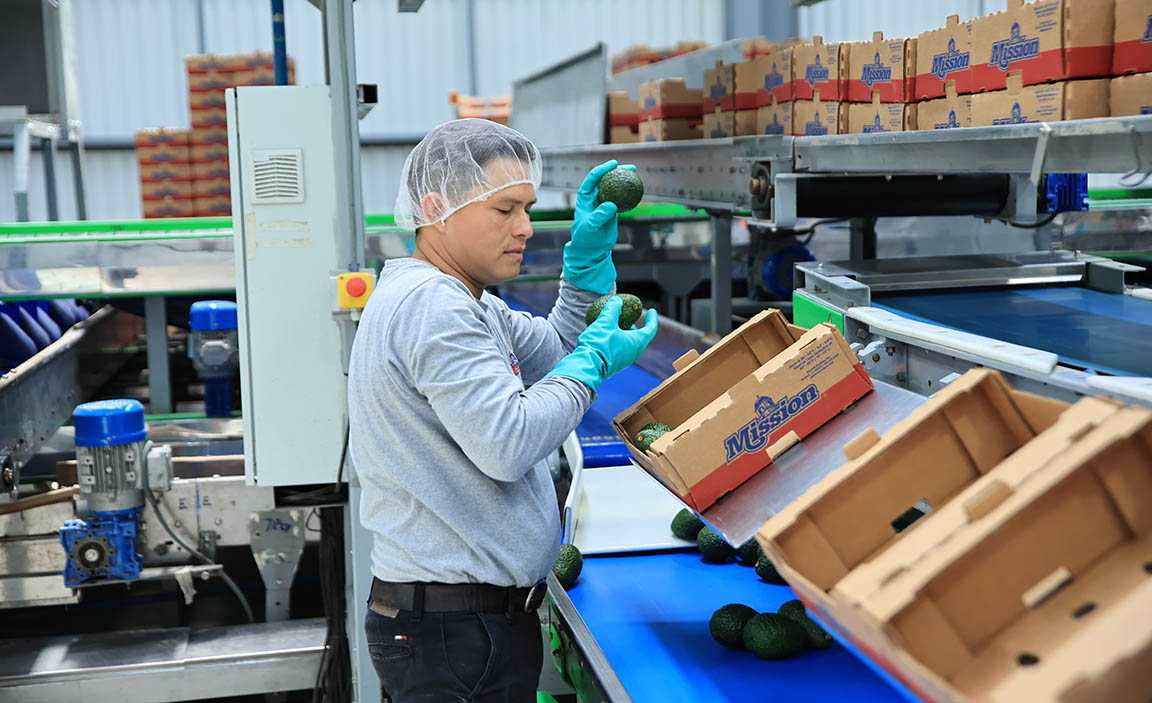
The plant Avopacklocated in Barberena, Santa Rosais part of the American group Mission produces And it was recently inaugurated.
This investment, of US $ 65 million (Q507 million), seeks to strengthen the Guatemalan avocado export chain, which is already sent as Fresh fruit to countries in Europe, Central America and Canada.
2. High processing capacity
According to the Ministry of Agriculture, Livestock and Food (Maga), the plant has a processing capacity for 32 tons per hourwhich is equivalent to 256 tons per eight -hour shift.
This efficiency will allow to meet greater international demand.
3. Impulse to employment in the region
The plant operation will generate more than thousand direct jobs Between the farm and packaging facilities, positively impacting the local economy of Santa Rosa.
4. More than 160 thousand avocados packed per hour
The average weight of a Hass avocado It is 197 grams. This means that the plant will pack, approximately. 162 thousand 500 units per hour.
5. Commercial surplus since 2019
According to him Bank of Guatemalasince 2019 the country records a Commercial surplus In the avocado category, that is, exports more than what is imported.
This reflects the sustained growth of national production and its international acceptance.
6. The avocado, third most important crop
According to data from the American Guatemalan Chamber of Commerce (Amcham Guatemala)avocado is positioned as the Third most important crop in the countrywith considerable potential to continue climbing.
7. Millionaire exports in 2024
During the year 2024, exports of Guatemalan avocado They generated Q120 million 761 thousand 773with a volume that exceeded the 12 thousand kilograms.
These figures reflect the growing profitability of the sector.
8. Harvests organized in two seasons
The national production of Hass avocado It is distributed in two main seasons: one of November to March and another of June to September.
This allows the fruit to be offered almost throughout the year.
9. Expansion to new markets
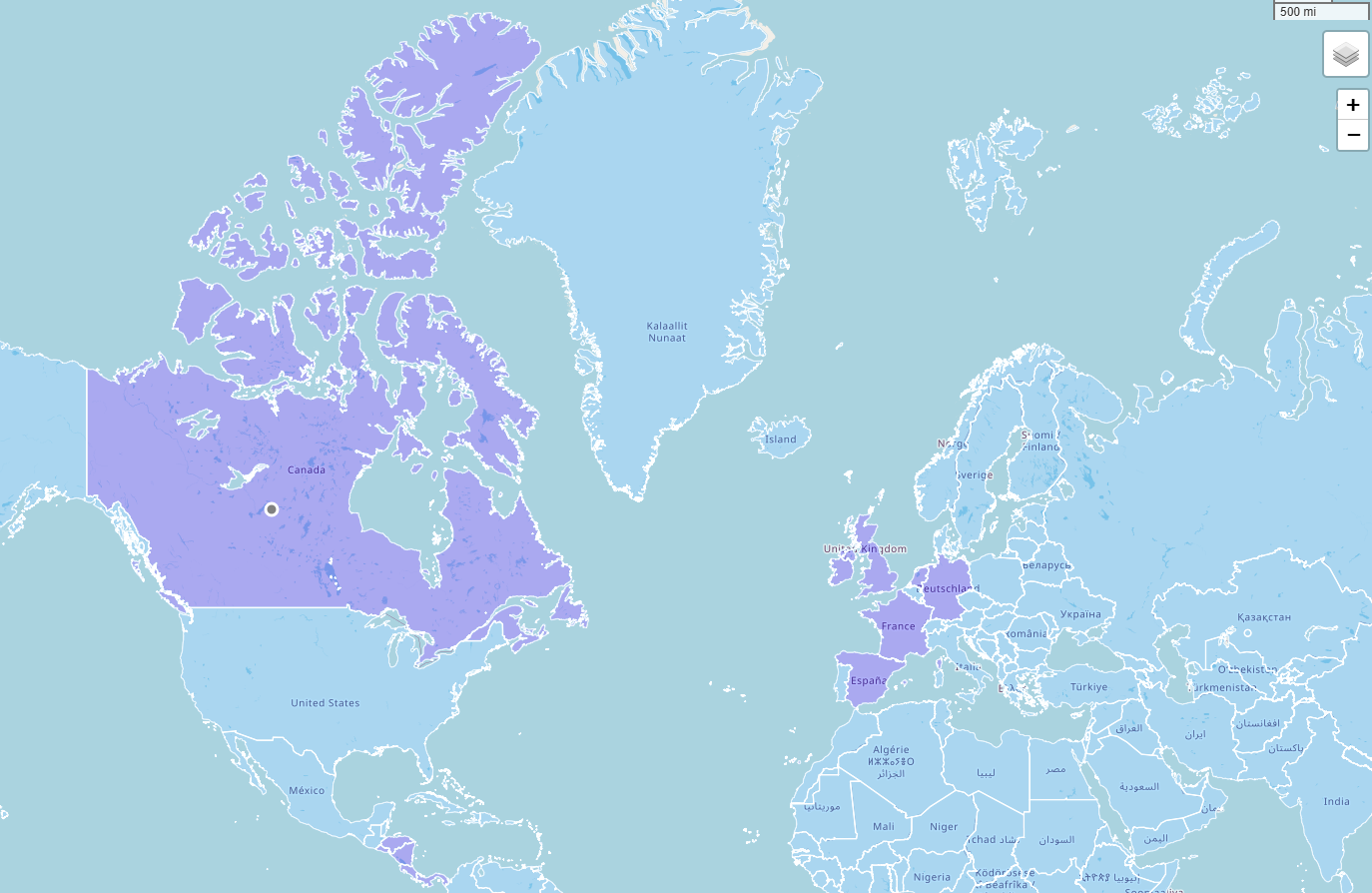
Currently, Guatemala exports avocado. In all its varieties, to countries such as Netherlands, United Kingdom, Spain, Germany, France, Canada, Costa Rica, El Salvador, Honduras, Nicaragua and Panama.
In addition, the authorities continue the efforts to obtain the Guatemalan avocado admissibility in the United States and Argentina.
10. Avocado in commercial treaties
Guatemalan avocado is included in several Free Trade Agreements (FTA), which favors its international competitiveness. These include:
- European Union: 0% of Import tariff rights (DAI)
- USA: 0% of DAI. However, under the administration of Donald Trumpa recently imposed a 10% tax To imported products, including avocado.
Brief avocado history
He avocado It is originally from high areas of southern Mexico and northern Guatemalaalthough it was also cultivated in pre -Columbian times in regions of Peru.
The naturalist Francisco Hernández was the first to make a technical description of the fruit during his exploration in Mexico between 1571 and 1576.
In Guatemala, the species American Persea It is classified into three ecological races, according to the Regional Consorcios Program for Agricultural Research (BREEDING):
Among the most common varieties in the country are:
- He Booth avocadoknown as “butter”, A hybrid between the Antillana and Guatemalan races.
- He Hass avocadodeveloped by the American mailman Rudolph Hassfrom a hybrid whose exact seeds are still unknown. According to the California avocado association, the mother tree was discovered in 1926 in California.
The article may also be interested: Avocato Hass: The curious story of its origin thanks to a postman and what role did Guatemala play
With this combination of factors, such as infrastructure investment, sustained growth, opening to new markets and the need to rethink duty In the United States, Guatemala is emerging as one of the most competitive countries in the international avocado market.