

International
Donald Trump signed on Monday a presidential decree that instructs to prosecute and sanction the cities of the United States that do not collaborate with migration agents.
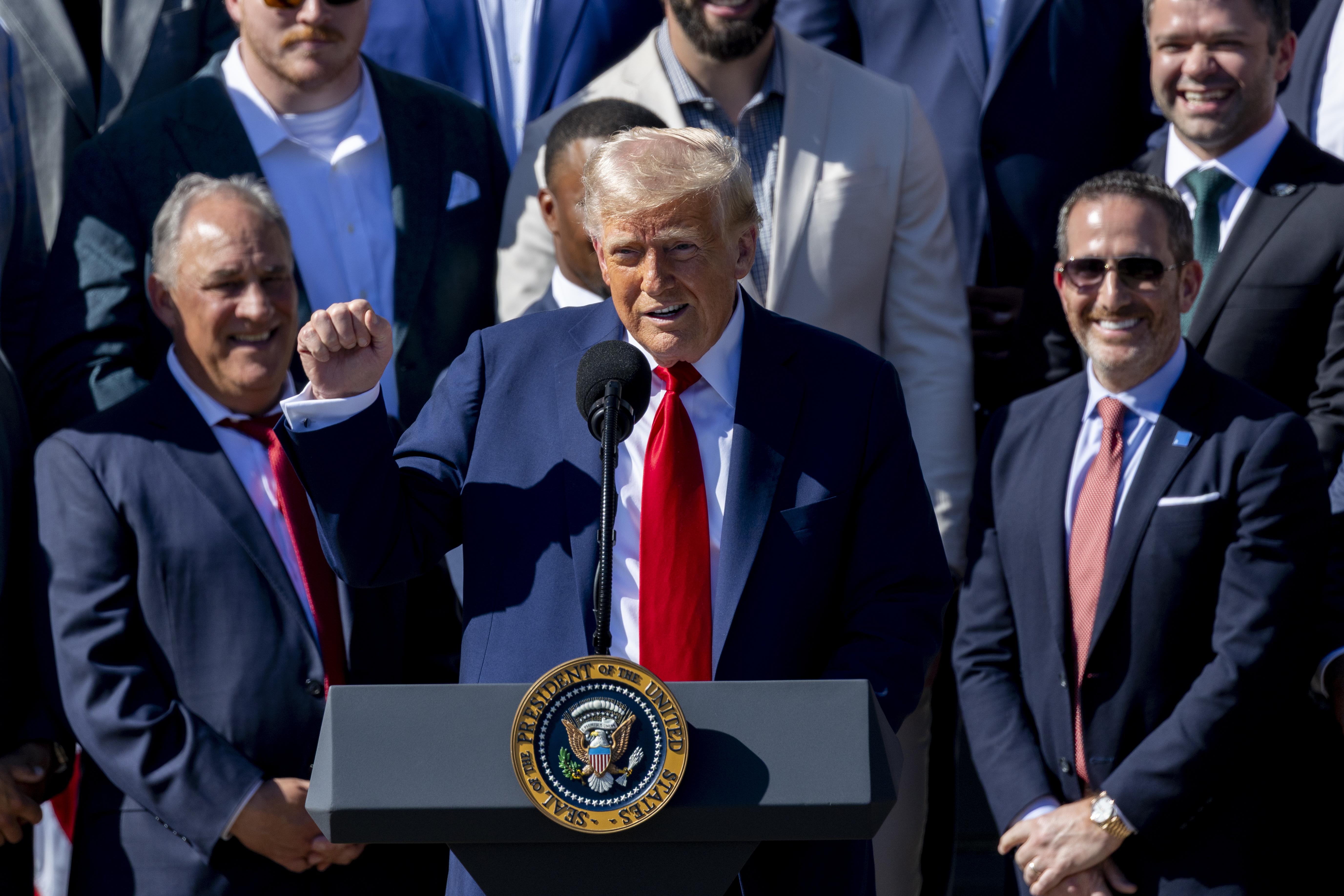
Donald Trump, president of the United States. (Free Press Photo: EFE)
The president of the United States, Donald Trump, signed on Monday a presidential decree to prosecute the cities of the country that do not collaborate with migration agents.
The Executive Order instructs the Departments of Justice and National Security to elaborate a list of the localities – known as “Sanctuary Cities” – that “obstruct the exercise of the Federal Immigration Law”.
Once the Government identifies these jurisdictions, the President instructed these two departments to take the “necessary” legal actions against them, including freezing the federal funds that the Sanctuary cities receive.
In the decree, signed this afternoon at the Oval office, the president accuses jurisdictions that do not collaborate with federal immigration authorities to be incurring an “illegal insurrection.”
The measures of the Sanctuary governments have been defended by local authorities and organizations, which ensure that they strengthen the relationship between the local police and migrant communities, allowing people to denounce crimes or collaborate with the authorities without fear of being deported.
Under US law, living in the country without authorization or legal status does not constitute a criminal, but civil fault.
Together with the decree against the sanctuary cities, Trump today signed another executive order to intensify his antimigrant policy.
The second is aimed at forces of public order, and asks the government to give legal support to agents accused of abuse or misconduct, relax existing restrictions on their actions, as well as provide them with military equipment and armament.
The Trump government has been signing more and more agreements between local authorities and the customs immigration and control service (ICE) to empower police officers throughout the country to arrest migrants. In total, more than 456 agreements of this type have been signed, according to ICE data.