

Health and family
The positions and health centers in Guatemala offer different rapid tests and laboratory exams totally free. These are those that are available in most of them.

The consultation, as well as rapid exams and tests available in health centers have no cost. (Free Press Photo: Shuttersock)
According to the classification of the Ministry of Public Health and Social Assistance (MSPAS), the positions and health centers correspond to the first level of care, of low capacity.
The first level of care is the first contact that people have with the health system. Your main objective is Prevent diseasespromote health and address common problems before they aggravate.
The positions and health centers are focused on the most frequent needs of people and their community. There are basic health services such as: education on healthy habits, vaccinationprenatal control and attention to common diseases. Exams are also offered.
Brenda Estrada, Pharmaceutical Chemistry of the Laboratory of the Ministry of Public Health and Social Assistance (MSPAS), ensures that In health posts rapid tests for the population are offered. A quick test is an easy -to -use test that provides results in a short period, usually within 20 minutes.
Unlike standard tests that require shipping to a laboratory and waiting for results, rapid tests offer more immediate results.
The quick tests available are:
- Quick pregnancy test
- Rapid HIV test
- Quick malaria test
- Fast covid test
- Tuberculosis tests
- Rapid syphilis tests
- Rapid hepatitis tests
- Water quality tests
On the other hand, according to the availability of resources and supplies in the health centers, the following basic exams are carried out:
- Complete hematology: It is also known as complete blood count and consists of performing a blood test to measure the amounts of blood cells. This includes red blood cells, white blood cells and platelets, in addition to hemoglobin (a protein present in red blood cells) and hematocrit.
- COVID tests: A person can go to a health center to confirm if he has a positive diagnosis to Covid 19.
- Stool and urine: It is a laboratory evaluation to analyze samples in order to identify health problems. For example, feces analysis can help identify infections, inflammations or bleeding in the digestive system. A urine sample can help reveal problems in kidneys, urinary tract or infections.
- HIV Antibodies: It is a test used to search for specific antibodies in body fluids, blood or saliva, which occur in response to human immunodeficiency virus (HIV).
- Tuberculosis test: It consists of a medical examination to determine if the person has been infected by the Mycobacterium tuberculosis bacteria.
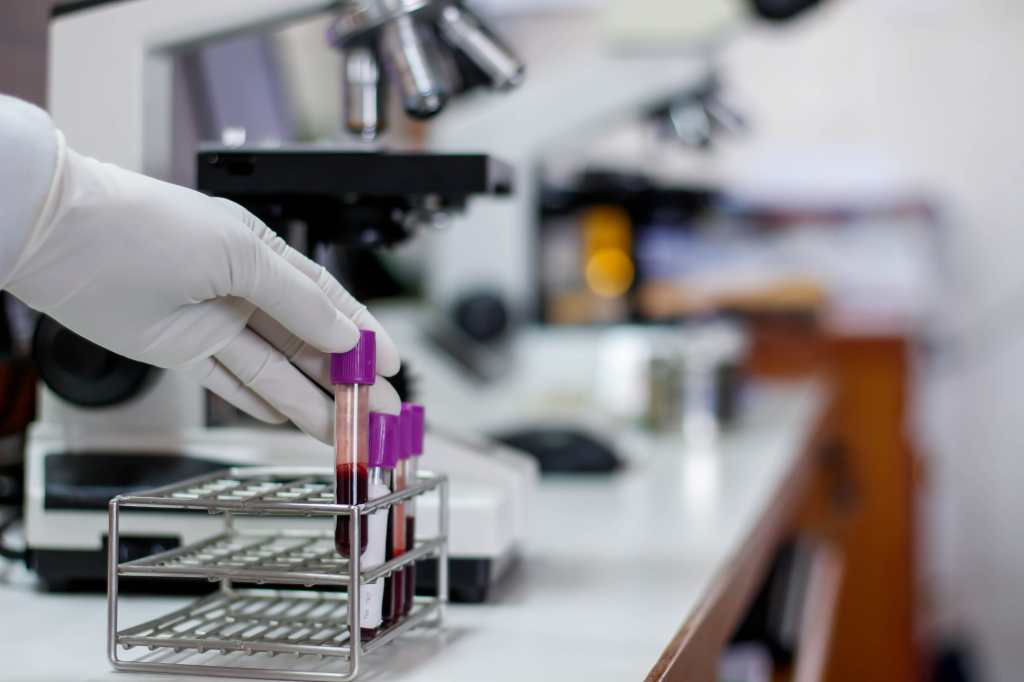
Other tests that can be performed in health centers are:
- Hematocrit: It is a blood test to measure the proportion of red blood cells in the blood.
- Pregnancy test
- Syphilis
- Hepatitis A, B, and C
- Tuberculosis test
- Rotavirus tests
- Lipid profile: It is used to measure cholesterol and triglycerides present in the blood.
- Malaria test: It serves to assess whether in the blood there are parasites of the species plasmodium
- Water quality tests: They are analysis to identify the presence of possible pollutants in the water.
It is important to remember that by attending a health post of the Ministry of Public Health, the consultation is free. In addition, the health center will provide the medication corresponding to the person, according to their availability.