

On the Internet, numerous users promote “magical recipes” to fight The sleep apnea. However, it is important to differentiate popular beliefs from data backed by medical evidence.
The sleep apnea It is an alteration that causes the interruption of breathing during certain phases of rest. According to the neurophysiologist Luis Aceituno, this condition occurs between the second and third phase of the dream.
Among the symptoms that could indicate the presence of this condition are found Unusual snor.
According to Aceituno, There are two types of sleep apnea: the peripheral and the central. The first is associated with the increase in soft palate in the region of the trachea, which causes a blockade in oxygen exchange and produces episodes of sudden awakening during the night.
On the other hand, the central apnea develops when the brain does not send sufficient signals for the person to breathe while sleeping.
Myths and realities about sleep apnea
It is claimed that taking melatonin, placing adhesive tape on the lips and carrying a “newspaper of concerns” could be useful strategies to combat sleep apnea. Nevertheless, Not all of these recommendations are really effective. Next, some of them are analyzed:
1. Melatonin pills
Although various specialists indicate that, in adequate doses, Melatonin pills can improve sleep quality In certain cases, it is not proven that it has positive effects when there is a sleep apnea problem. Therefore, It is essential to go with a specialist doctor to receive proper treatment.
2. Place adhesive tape on the lips
According to international media, this practice can represent a risk to the patient’s life and its effectiveness is not proven. The United States Food and Medicines Administration (FDA) He points out that one of the recommended treatments for the obstructive sleep apnea is the use of a oral systemwhich must be prescribed by a professional.
The FDA indicates that this device is adjusted as a sports mouth protector or an orthodontic retainer, both in the upper and lower denture. Its function is to keep the jaw forward so that the airways remain open during sleep.
3. Reduce exposure to blue light
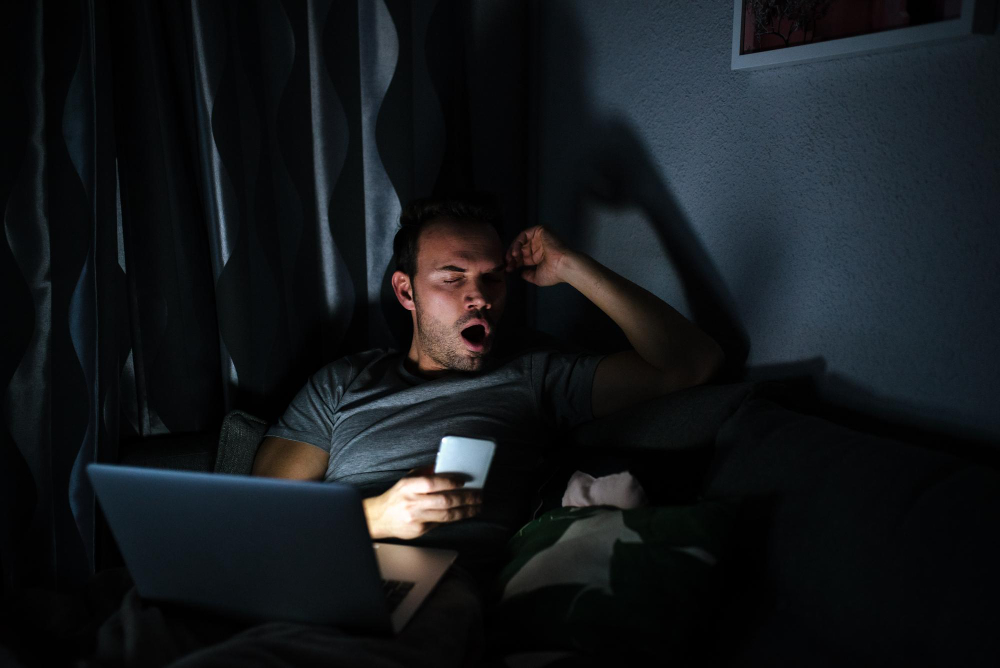
According to National Geographicblue light can be beneficial during the day, but not at night. This is issued by the screens of smartphones, televisions, computers and other devices.
Specialists recommend avoiding exposure to these screens at least an hour before sleeping, in order to reduce the risk of insomnia or other sleep disorders. However, this measure is preventive. If sleep apnea is already suffered, it can be useful for not aggravating the condition, but it does not constitute a treatment by itself.
4. Diario of concerns and other mental exercises
According to Medical News Todaythe worry newspaper is a therapeutic resource used in patients with anxiety and panic disorders. However, It is not part of the clinical treatments for sleep apnea. These practices could They help to reconcile sleep in cases of occasional insomnia or before stress episodes, but should not be considered a solution to the respiratory problem.
Smart Pajamas: A new alternative to combat sleep apnea?
Researchers at the University of Cambridge They have developed smart pajamas capable of monitoring sleep apnea and other associated disorders, according to the international press. This type of pajamas can be used at home, stands out for its comfort, ease of washing and eliminates the need to go to specialized clinics to assess sleep quality.
According to information from the University of Cambridge, these pajamas integrate printed fabric sensors that detect breathing when registering skin movements, even when used comfortably in the neck and chest.
“The sensors integrated in the smart pajamas trained with a light AI algorithm and can identify six different sleep states With an accuracy of 98.6 percent, ignoring the usual sleep movements, such as turning in bed. The sensors, of low consumption, only require a few examples of sleep patterns to successfully identify the difference between normal and disorderly sleep, ”says the Cambridge University.
This technology could help those who suffer from sleep disorders, allowing a closer monitoring of rest and how it can be altered due to changes in lifestyle.
If you experience alterations in your sleep pattern, it is advisable to go as soon as possible with a specialist.