

Liu Miao has sold clothes at Amazon to wholesale buyers from the United States during the last five years. That trade has been abruptly interrupted.
Liu owns a small factory in Canton, which has long been the center of the competitive Chinese clothing clothing industry. He and other factory managers, who already dealt with close profit margins, said last week that the combination of tariffs and President Donald Trump’s new tax on cheap imports had deeply affected their businesses. Costs along the supply chain are also higher.
The tariffs have made it impossible for Liu to continue selling in Amazon, where he earned around 1 dollar for each garment, but now he only gets 50 cents. And he felt that he could not cut the salary of his employees, Liu said, while the workers of a labor market crowd
“Nothing can be sold to the United States right now,” Liu said. “Tariffs are too high.”
Platforms such as Amazon, Shein and Temu carried the vast manufacturing supply chain of China to the doors of the world. These online markets made it possible for thousands of small canton factories to reach buyers from the United States. And as the packages of less than $ 800 could enter the United States free of taxes, the factories and, in turn, the platforms could collect very low prices.
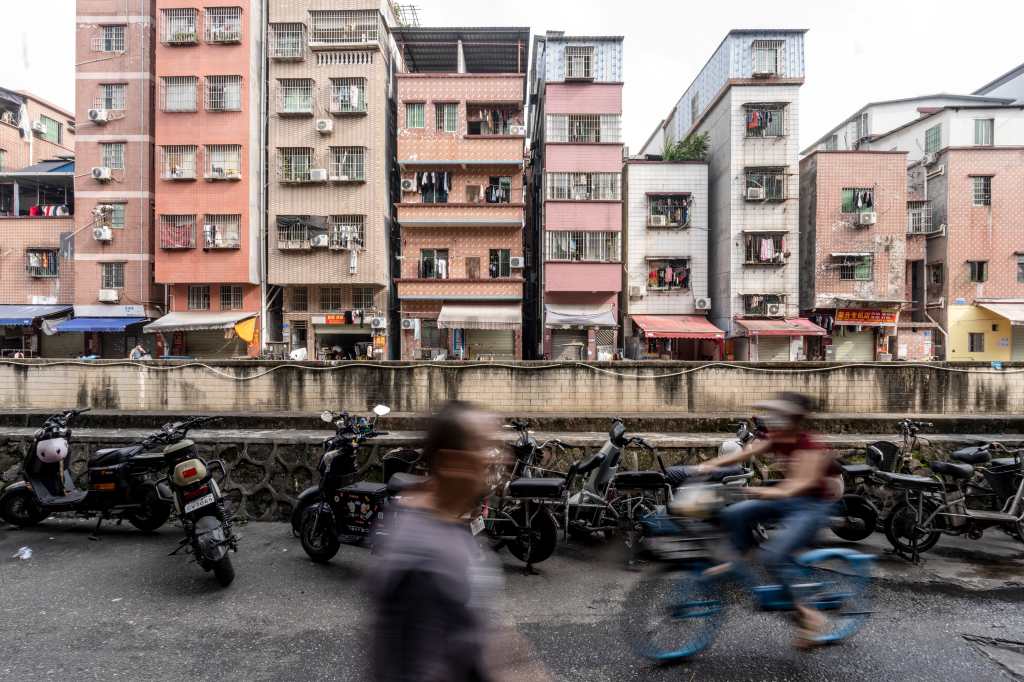
Exports have been one of China’s main engines of economic growth in recent years. Businesses have gone especially well in electronic commerce. In a neighborhood in Canton, there were foreign luxury cars-Mercedes-Benz, BMW and Cadillac-parked outside factories that pay workers about 60 dollars a day to produce clothing that is sold in applications such as Shein and Amazon.
But now that commercial tensions have forced the two largest economies in the world to separate, many canton companies face a turning point.
Tariffs aggravate the various problems facing clothing manufacturers. It is increasingly difficult to make profits since the Chinese government has had difficulty getting consumers to spend more after the sinking of the country’s real estate market. Without the increase in the value of housing, many Chinese people restrict their expense.
This harmed the businesses of Zhang Chen, who had six clothing stores in the central province of Hubei. But when the buyers did not return after the Covid pandemic and the rentals remained high, they decided to close them all.
“In 2020, the business did not recover, and in 2021, it still did not do it. In 2022, when it remained the same, it seemed that it was never going to recover,” said Zhang. Now he earns about $ 100 a day delivering recently sewn garments at Shein’s collection points, near the airport.
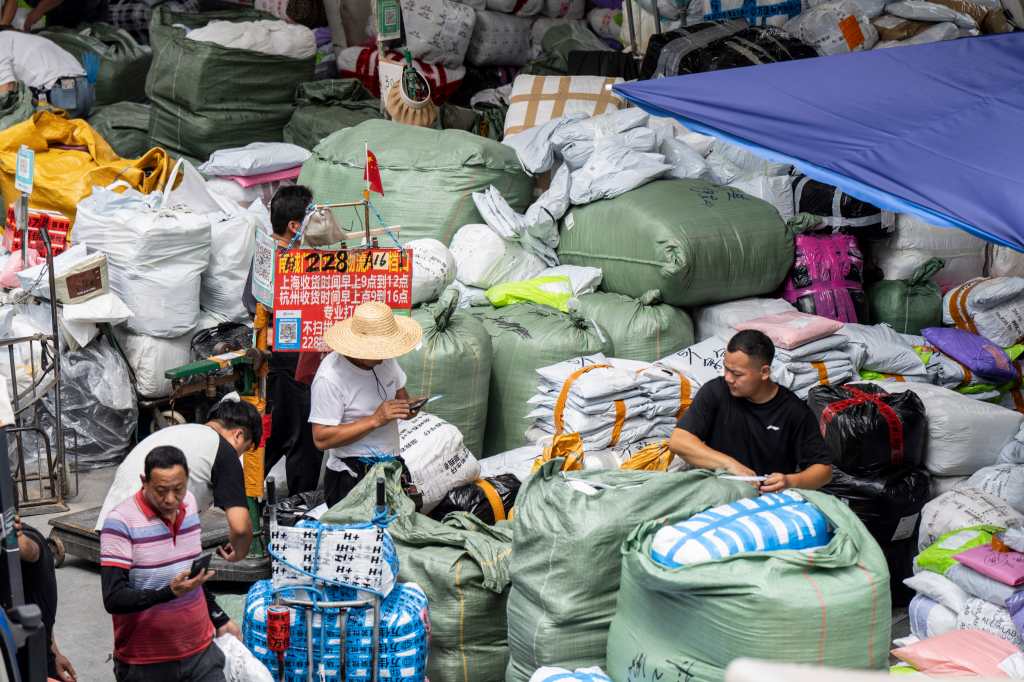
Canton factories are not automated workshops that produce electric vehicles or semiconductor manufacturing campus that are key in the effort that China has been making for years to guarantee its geopolitical resistance through advanced technology. However, China’s clothing factories use millions of workers who strive to make a living.
In interviews, nine owners and managers of Canton factories said they were considering the possibility of transferring their operations, some to provinces such as Hubei, about 960 kilometers away, where they could pay the lowest salary workers. A few owners said that they would possibly move to countries such as Vietnam, where many Chinese factories have been established to avoid possible new tariffs, as high as those that already apply to China’s exports.
Many reported a decrease in orders. Others said they had suspended some production lines. Everyone described to have seen how neighboring companies closed their doors in recent months.
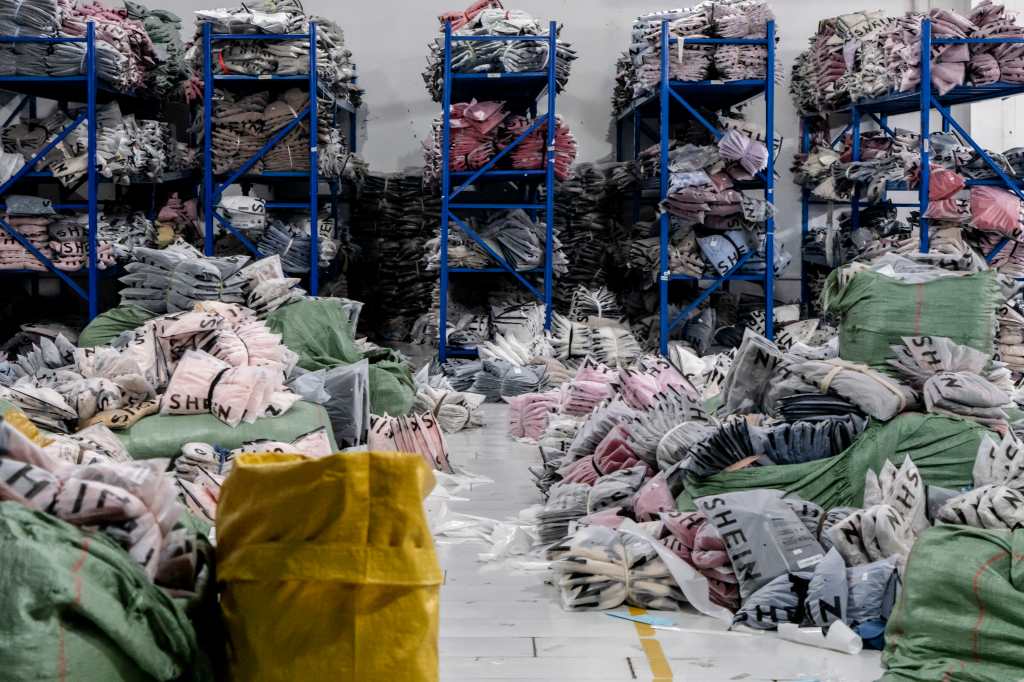
On Friday, when American policy entered into force to put an end to tax -free imports from China, Liu Bin closed its extensive clothing factory, where Montones of Shein packages gathered against the windows.
The Liu factory specializes in dresses and tops designed to take a feast on the beach or a nighttime appointment, and Shein usually buys about 100,000 pieces a month. But in April, after the company commissioned half of that, it began to transfer its production line to the neighboring province of Jiangxi. I could no longer pay the rent in canton.
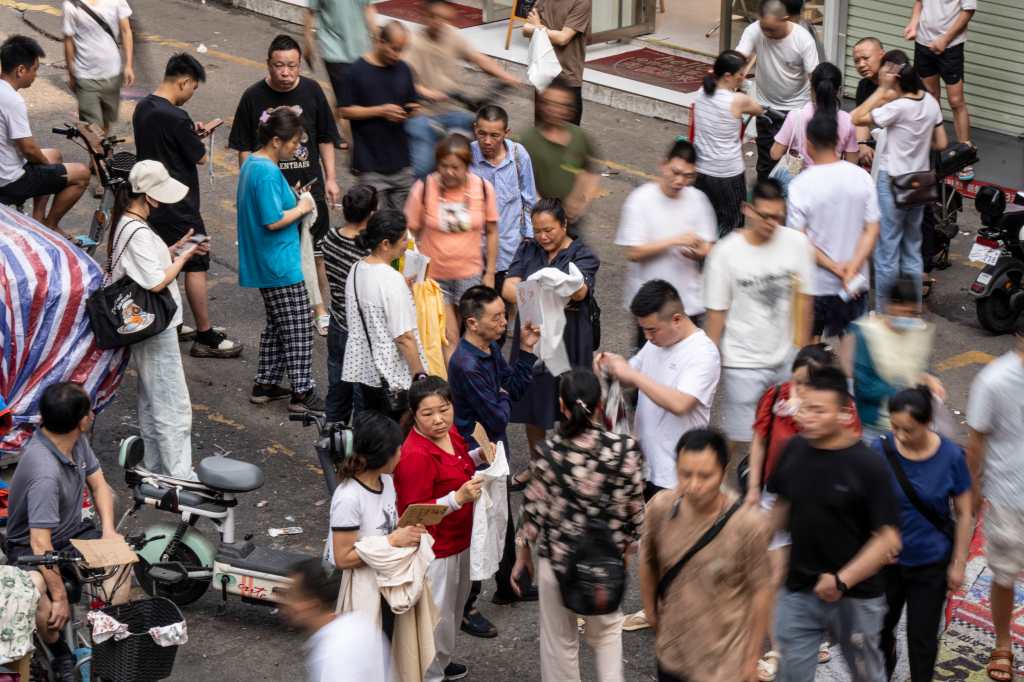
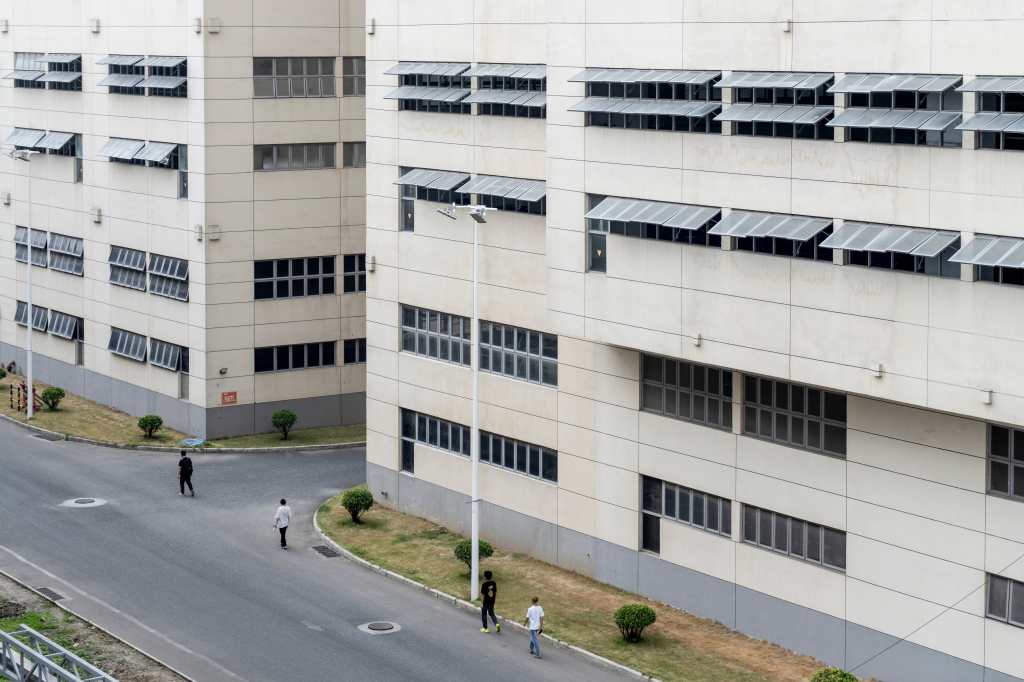
Liu said Shein offered incentives to help cover the cost of transferring operations to Vietnam, and he had considered it, “but then the tariffs in Vietnam also became even higher.”
He said he had also tried to find buyers in Tiktok and Temu, but orders had dropped on all platforms. “Everyone is falling, and we just wait and observe,” Liu said.
Shein did not respond to the request for comments. Temu said Friday that he had stopped sending China products directly to buyers from the United States.
The Chinese government has been encouraging national electronic commerce platforms to help small businesses sell to their national market. But, since Chinese consumers are prudent when spending, factories will be difficult to sell in the country as much as they export.
Han Junxiu, who sells novel socks in Shein and Temu, said he doubted that the US government could suddenly start charging tariffs on low -priced packages, which had been entering the United States at a rate of four million a day.
“I don’t think it’s so realistic,” said Han after closing his post at night at the Canton Fair, the Annual Export Fair of the Province.
Pijamadas teddy socks are some of its most popular products.
This is exactly the kind of things that Americans will continue to need to buy from Chinese companies, said Han. “Where else are they going to buy all this?” He asked.