

Science
The next full moons have traditional names that reflect the relationship between natural cycles and ancestral cultures. Know what dates each one can observe.
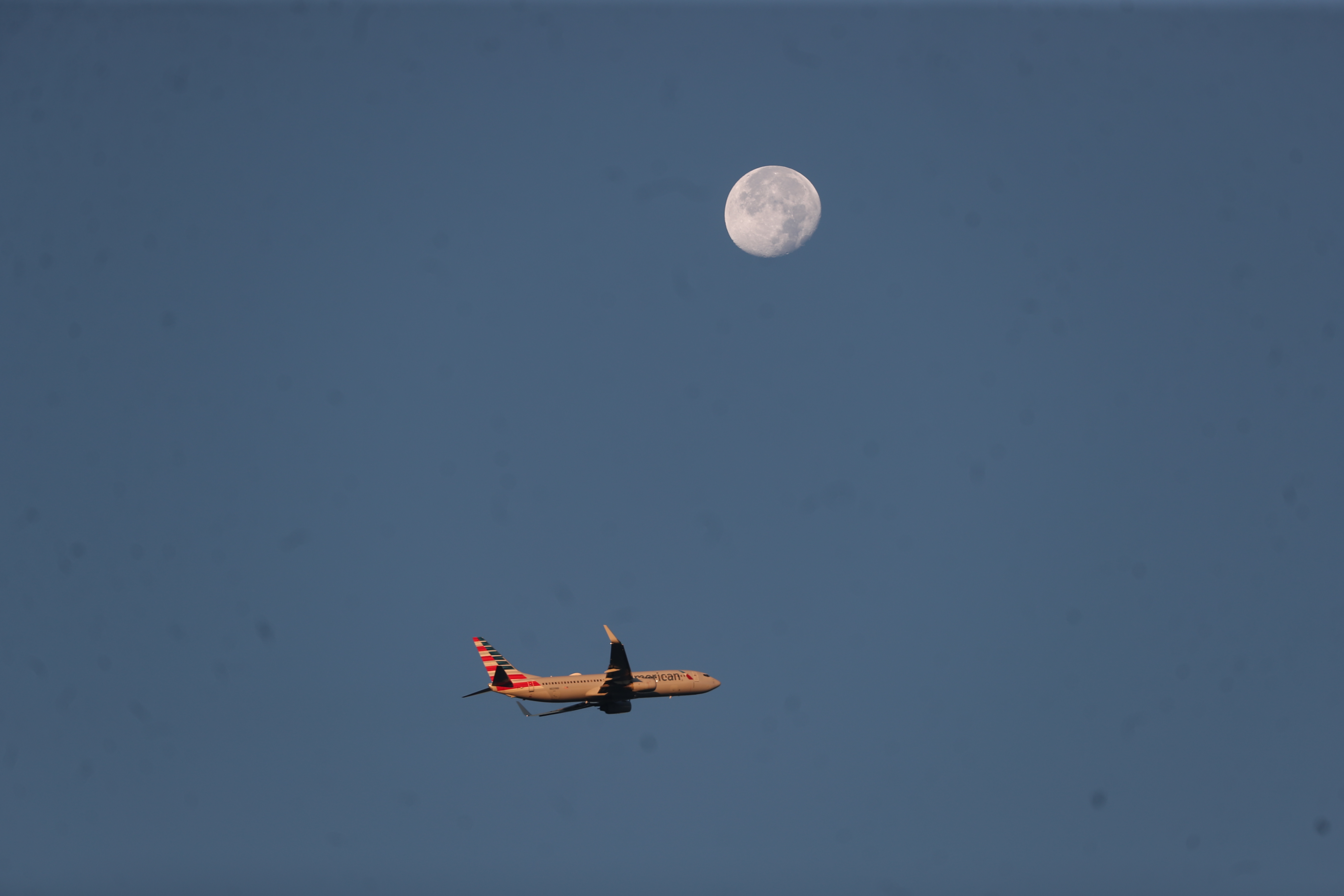
The moon always offers an extraordinary show for astronomy lovers. (Free Press Photo: Erick Ávila)
For millions of years, the Moon has captivated humanity with its cycles, inspiring myths, agricultural traditions and reflections on time.
Among its phases, the full moon stands out as a moment of celestial splendor, when our satellite is completely illuminated and offers an unique night show.
According to the calendar of the Guatemalan Association of Astronomy (AGA), the next full moon will occur on Monday, May 12, 2025, and will reach its maximum splendor around 22.55 hours. However, its visibility in the night sky will begin from the sunset, at approximately 18.48, when you look for the east horizon.
This full moon receives the traditional name of Flower moona nickname inherited from ancestral cultures that associated this era with the spring flowering in the northern hemisphere. In addition, it is also known as:
- Lun that puts eggs
- Treasury moon
- Plantation moon
On this occasion, the full moon of May will be at its peak (farthest point on Earth), which will make it a Microlunaan opposite phenomenon to the superluna.
Although its apparent size will be 14% smaller and its brightness 30% more dim, its beauty will remain undeniable.
Next full moon of 2025: strawberry moon
The lunar cycle will continue with the full moon of June, which will arrive on Wednesday, June 11, 2025. known as Strawberry moonthis name comes from the American native tribes, which linked this date with the short season of harvest of wild strawberries.
This will be the last full moon of spring in the northern hemisphere, and it will occur just 11 days before the summer solstice (June 21). In the southern hemisphere, it will coincide with the end of autumn, marking the transition to winter.
Why are these full moons important?
- Culturally: Each lunar name reflects the relationship between nature and the ancient civilizations.
- Astronomically: They are ideal opportunities to observe details of the lunar surface with telescopes or simply enjoy its brightness.
- Vital cycles: They remind us of the importance of natural rhythms, from agriculture to personal introspection.