

Science
Kosmos 482 was built to survive Venus’s conditions, it was launched in 1972, but had a failed end, and since then it remained in orbit.

Illustrative photo. After 52 years, Kosmos 482 returns to Earth. (Free Press Photo: Freepic Pikisuperstar)
The Kosmos 482 probe re -entered the Earth’s atmosphere this Saturday, May 10 at 06:24 UT on the Indian Ocean, NASA said, west of Yakarta, Indonesia.
Since the probe was designed to resist entry into the atmosphere of Venus, it is possible that it has survived the reentry, notes NASA.
The Kosmos probe was launched to space on March 31, 1972, 53 years ago.
This capsule was part of the Venera program, which sought to conquer Venusian hell, notes National Geographic.
Kosmos 482 was a mission that followed the launch of Venera 8 probe, which did manage on that planet. However, Kosmos failed to accelerate enough to escape terrestrial gravity.
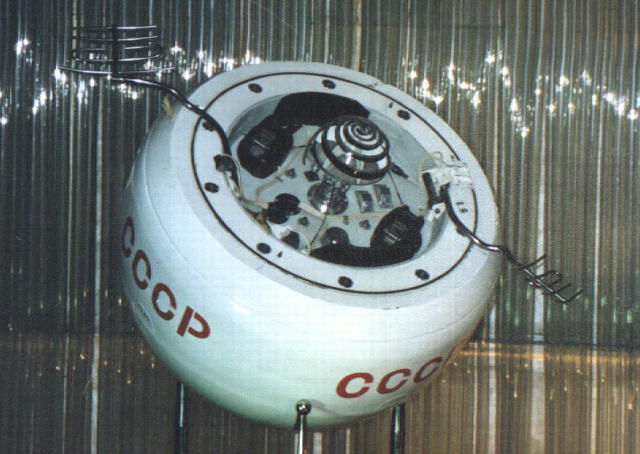
The capsule, according to National Geographic, had a robustness that would be considered unnecessary today and describes it as a very heavy artifact.
When it was launched, the ship remained active a few hours before decomposing parts, explains Infobae, but the descent capsule was trapped in the elliptical orbit, with an altitude between 220 and nine thousand 800 kilometers.
The fall of this probe revives debates about the risks of orbital waste, publishes infofabe.
However, as explained to ES to the newspaper El País, the risk that the reentry of a satellite causes injuries is remote. The annual risk of a person being injured by space waste is less than 1 between one hundred billion.