In Guatemala, the life of thousands of patients – from children with leukemia to mothers in emergency birth – depend on a blood bag. But the voluntary donation It is almost non -existent.
Why is it so difficult to donate in a country in which the need is so great? It is almost incredible, but The life of many children depends on a blood transfusion as urgent as the one that a victim of a spectacular accident needs.
A minor with leukemia It may require frequent transfusions to stay alive, because, during the most intense phases of the treatment, its bone marrow is devastated by chemotherapy, unable to produce the blood cells that the organism needs.
For them, each Blood or platelet bag It represents one more possibility of continuing to fight. However, in a country like Guatemala, where voluntary blood donation is almost non -existent, that thread of which its life is usually as fragile as it is scarce, explains Alejandra Arriola, head of the laboratory of the laboratory of the Private blood bank Doctor Carlos Moscoso.
Although thousands of people need transfusions every year, in the country the voluntary blood donation is still difficult, he explains.
Most come to donate only when a relative needs it, and that leaves the most vulnerable patients – as children with cancer – in a critical situation, because there are not enough reservations in blood banks There is no time to wait.
Each transfusion can make the difference between life and death. Without platelets, without defenses, these little ones do not resist much time. Most Guatemalans do not know that donating blood can mean that a child lives another day.
In silence, their parents face the disease, fear and a fight against time. Because, if there are no donors, they must look for the blood on their own and pay for it. The average cost of A processed transfusion is about Q1 thousand 500.
If it is platelets for apheresis, – a technique that implies a special technology and a disposable equipment that is used only once – the price is doubled.
But it is not just money, it is the anguish of knowing that, without repositions, the Blood Bank can run out of availability and that, without that transfusion in time, the treatment cannot continue, or, worse, that your child will not survive waiting. This is the story that is repeated, in silence, almost daily, in hospitals.
A hard reality that crudely exposes what is faced due to lack of voluntary blood donation.
Need for many
In the San Juan de Dios General Hospital, transfusions are essential to save the lives of women who face complications in childbirth. Patients with kidney disease, for example, usually develop severe anemias that also require such support.
A considerable part of the reserves in the Blood Bank is intended for people who have suffered traffic accidents or gun injuries, as they can only survive thanks to transfusions in time, but these cases represent great demand for blood in hospitals.
To this group are added those who must undergo an operation and patients with coagulation disorders or other complex medical conditions, which shows the growing need for donations faced by hospital banks.
A blood donation can benefit up to three people, as four main components are separated: Red blood cells, plasma, platelets and cryoprecipitated.
Each case requires different care and in modern transfusion medicine a strategy known as objective guided therapy is applied: only the component that the patient requires, precisely and personalized, is administered.
This practice allows to make the most of each donation, since each component fulfills a specific function. For example, the red blood cells are fundamental in the treatment of anemias caused by iron deficiency, vitamins or chronic diseases such as renal failure.
Plasma is used in coagulation disorders, liver diseases or hereditary conditions that prevent proper healing.
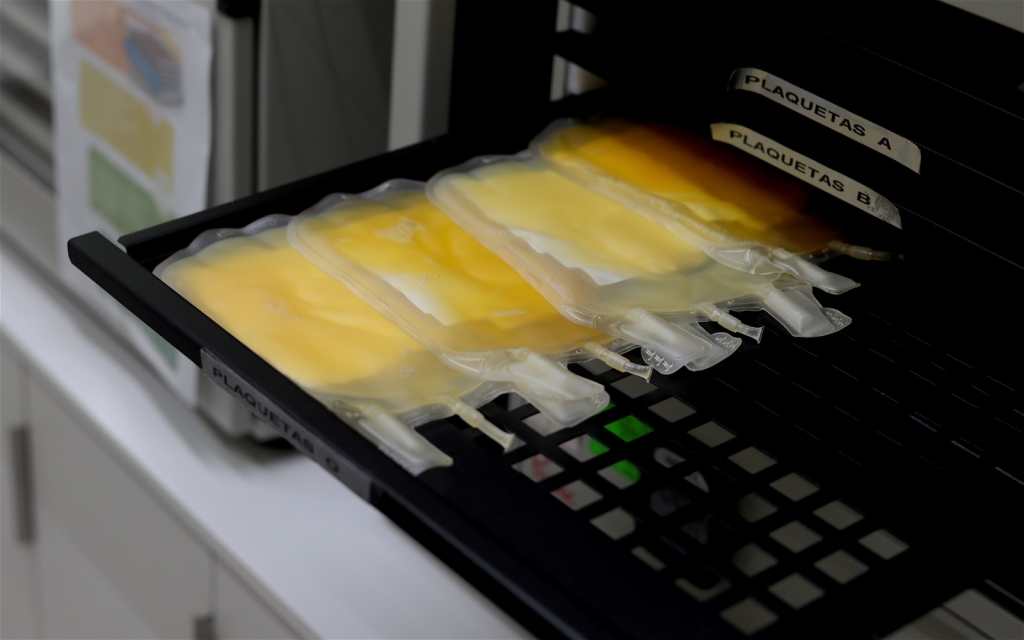
The platelets are indispensable in dengue tablesbecause its reduction can cause severe bleeding and, finally, cryoprecipitated, which is a plasma derivative, is indicated to treat specific deficiencies of coagulation factors that do not respond to other therapies.
Although the need is constant, in Guatemala, not all blood types are achieved with the same ease. Arriola explains that the most common blood group is the positive or positive, present in more than 70% of the population, followed by the positive A and B.
But not everything is so simple. The negative RH groups are the real challenges of the health system. “People with negative RH blood can only receive blood from the same type, which represents a great challenge when urgent transfusion is required,” says Arriola. These cases are not isolated.
Regardless of the blood type, when there is no immediate availability of compatible blood, the situation can become critical. “If you do not get compatible blood from that same group, we can run the risk of not having blood to transfuse, and without blood there is no life,” he warns. For now there is no scientifically developed substitute, he says.
“Until today, there is no medication that can replace the essential functions of blood. It must always come from voluntary human donations,” he says. The challenge does not end in getting donors, it is also present in the management and storage of blood components.
Red blood cells can be kept up to 42 days; The plasma, up to a year, if you freeze, but there is an especially sensitive one: platelets. These only last five days.
“Platelets have a very short shelf life. If we do not receive constant donations, we cannot ensure availability for children who need them to survive,” he says. The panorama forces medical staff to make difficult decisions daily.
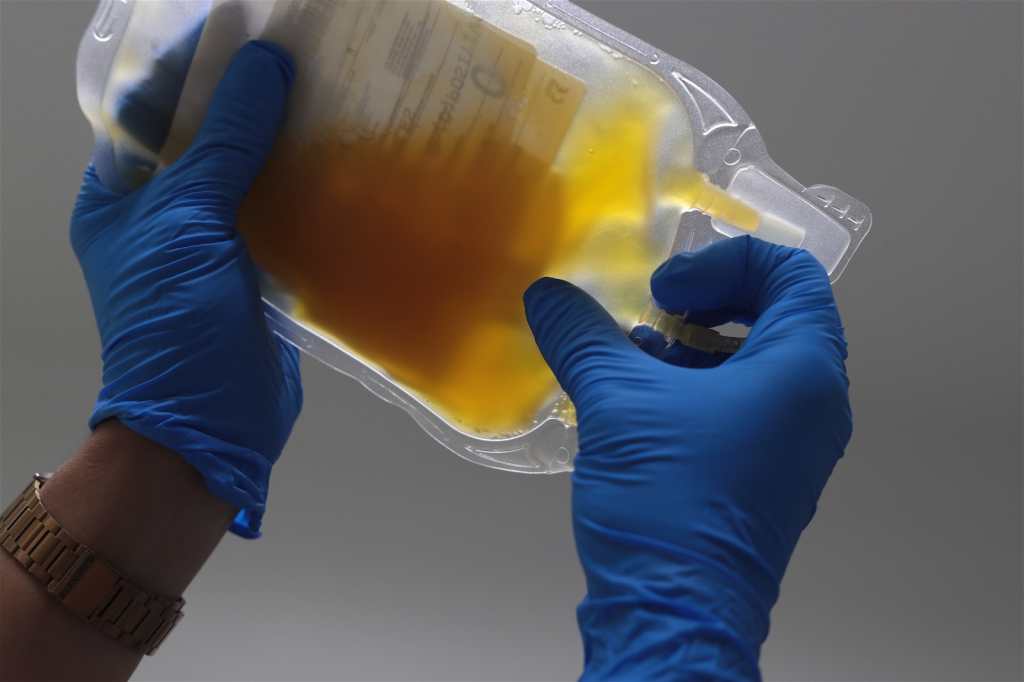
Arriola admits it: “We have to prioritize the most critical patients, distribute the platelets available according to the urgency of each case, and pray for new donors to arrive.”
Failure to comply
The need for blood in Guatemalan hospitals is permanent and critical. Only the San Juan de Dios General Hospitalone of the largest and most busy in the country, needs between three thousand 200 and three thousand 500 units of blood per month to cover surgeries, emergencies, births and chronic treatments.
However, it only manages to collect between the 45 and 50 percent of that demand; that is, around 1,400 to 1,750 units per monthaccording to Lesly Rodríguez, head of the Blood Bank of this health center.
The main problem is not new: the voluntary donation culture is extremely low. Of the total blood that the San Juan de Dios receives, the 95 percent comes from donations by replacement; that is, of relatives or friends of the patient, and only 5 percent correspond to voluntary donations, which is equivalent to between 160 and 175 units per month, In good months.
A similar situation is lived in other institutions. In Guatemala there are 88 blood banks registered in the Ministry of Health and the Guatemalan Social Security Institute (IGSS). The portfolio itself manages 42 transfusion medicine services, but the coverage is unequal and not all centers have the necessary resources to maintain adequate reservations.
Equal to private centers
In private or institutional banks, reality is not very different. A laboratory who works in a blood bank with high demand explains that, to cover between 500 and 600 weekly transfusions, they require 150 to 200 donors per week, that is, 30 to 40 daily donations.
Although each unit of blood can be divided into several components (red blood cells, platelets and plasma), which allow several patients to be served, this does not reduce constant pressure.
“Without that minimum base of voluntary donations, we risk not being able to respond to an emergency,” he warns, in a context where ethical and voluntary donation is key, especially because blood has become a clandestine and lucrative market in some sectors.
The panorama does not improve external collection efforts. According to the Guatemalan Red Cross, which actively works in days to promote altruistic donation, between 30 and 40 percent of the total units captured a year in their campaigns has been covered until reaching about three thousand units.
However, even that figure is limited to national demand.

Francisco Gómez, coordinator of a team of four people in charge of organizing these days, points out that in the last five years voluntary donations only represent, on average, one 5 percent of the total blood collected in the country.
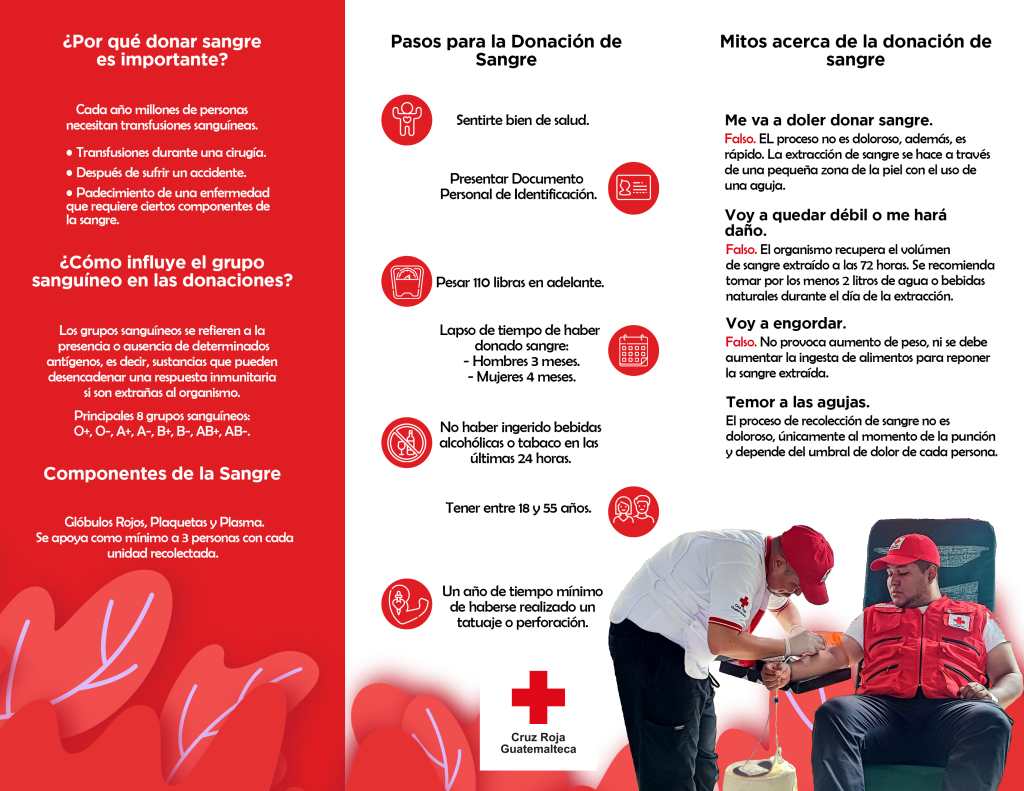
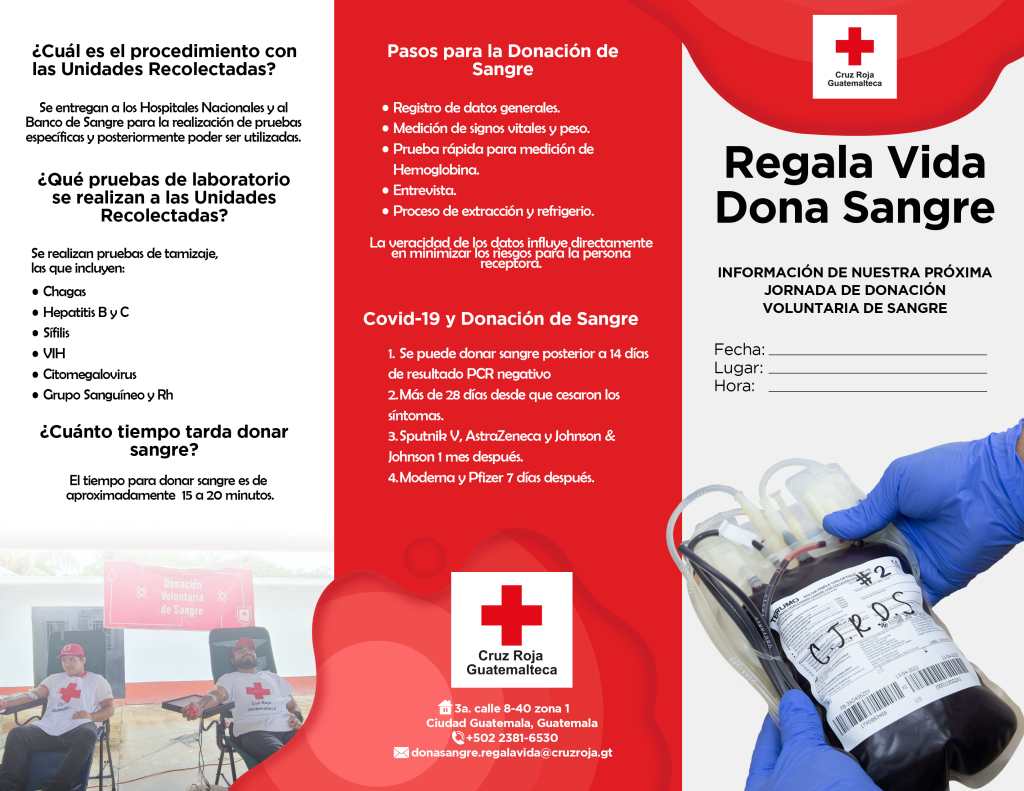
“This clearly reflects that the donation culture is still very low in Guatemala”he comments. To reverse this scenario, the Red Cross He works with a multidisciplinary team that not only manages campaigns, but also prepares educational material and gets help.
With this support they produce trifoliar, infographics and other resources to inform about the donation process, disassemble myths and create trust among the population, with the aim of promoting a more solid donation culture.
An accessible gesture
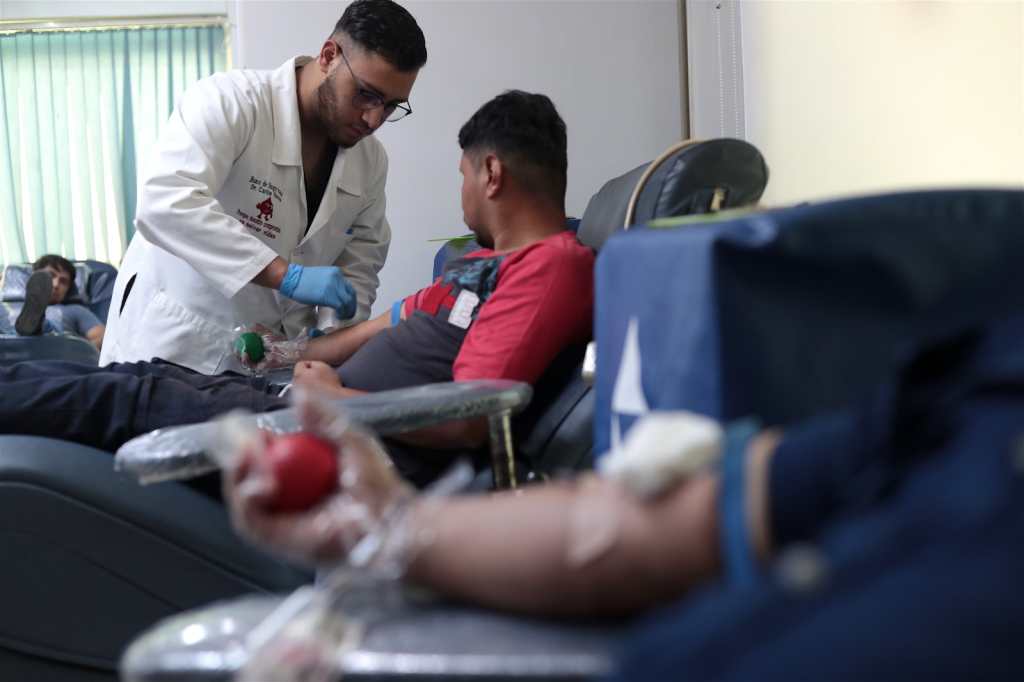
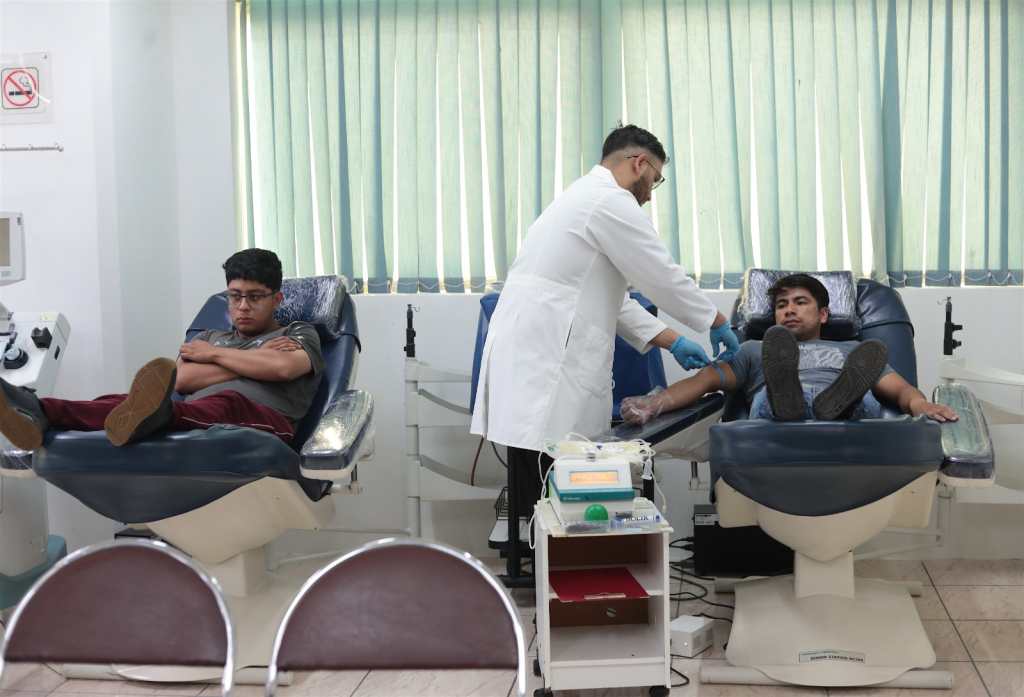
In emergency situations, many people would like to help, but do not always have the economic resources to do so. However, there is a solidary and valuable way to contribute: donating blood voluntarily.
Voluntary blood is safer, since it comes from healthy and solidarity people. “The volunteer is like gold with diamonds,” they explain from the donation centers. It is not necessary to go fasting: it is enough to avoid fatty foods.
The call is to go to public blood banks, since that is where reserves that save lives in emergencies, surgeries or complex treatments are stored. These centers do not always have enough donors, and depend largely on voluntary generosity to meet demand.