

The diabetes It is a disease that affects millions of people in the world, and one of the main concerns of those who live with this condition is to know What foods can consume without compromising your health.
Fruits and vegetables, although fundamental in a balanced diet, generate frequent doubts among diabetic patients due to its natural sugars content.
According to nutritionist Mónica Cristina Pinto, With respect to fruits it is advisable to consume them preferably as dessert and not as a main dish, Especially at breakfast, since the moment of the day they are ingested also influences its effect on glucose.
The key is to choose options with low glycemic index, consume them whole instead of in juice, accompany them with other nutrients and maintain adequate portions.
What fruits can a diabetic eat
According to Ligia Mazariegos, Nutritionist of Camip 3 Zunil of the Guatemalan Social Security Institute (IGSS), the most recommended fruits for people with diabetes are those with less glycemic index.
Some examples are:
- Strawberries
- Raspberries
- Blueberries
- Kiwi
- Apple
- Peach
- Moras
- Plums
- Pear
- Whole oranges (not in juice)
The key factor that determines which fruits are most appropriate is its fiber content. Pinto points out that “the ones with the most fiber, that is, those that can be eaten with a shell, which are less aqueous” are the most beneficial for diabetics.
What vegetables can a diabetic eat
As for vegetables, both nutritionists agree that most are appropriate for people with diabetes, although Mazariegos makes an important clarification about some tubers that are commonly confused with vegetables.
“One thing that patients are recommended is that they do not catalog foods such as potatoes, cassava, sweet potatoes and corn as vegetables,” explains the nutritionist. These should be considered as carbohydrates in meal planning.
What fruits and vegetables should avoid a diabetic person
There are certain foods that, although natural, can quickly raise blood glucose levels. Nutritionists mention the following:
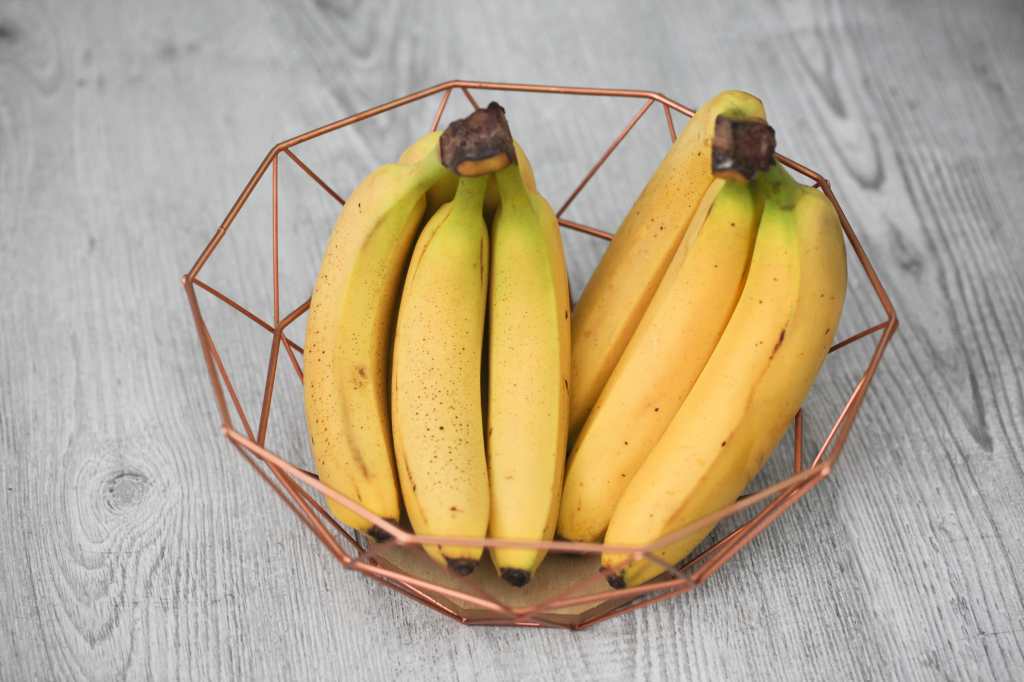
- Banano
- Watermelon
- Mango
- Grapes
As for vegetables, “carrot and beet, for the amount of sugar they contain,” require greater caution according to mazariegos.
While it is preferable to avoid excess consumption, Pinto clarifies that “if we eat them in combination with protein or other vegetables they do not cause more inconvenience.” However, he warns that they can produce picos if consumed alone or fasting.
How to consume fruits and vegetables?
Both specialists recommend consuming fruits in the most natural way possible, in pieces or whole. In addition, they explain that it should be avoided at all costs to consume them in juice. According to Pinto, “no person should consume fruits in juice, even as natural as possible.” The reason is clear: “To make a glass of orange juice – for example – approximately six to seven oranges are needed, so the amount is very high and we do it without fiber.”
Also, to avoid sugar peaks, experts recommend establishing regular food schedules. Mazariegos suggests “up to six food times so that they do not have these sugar peaks” in diabetic patients.
Finally, both experts agree on the importance of professional supervision. Pinto recommends “that they consult with a professional so that we can calculate specifically and in a personalized way how much fruit and how much vegetables it needs per day.” This customization is especially important because “the more controlled it is, the more flexible you can be with food,” he concludes.