

As the years go by, the body experiences natural changes that affect mobility, balance and muscle strength. However, staying active is one of the keys to conserve autonomy, reduce chronic pain and improve the quality of life in the elderly.
“The soft exercises for older people are presented as a safe and effective alternative to promote physical and emotional well -being,” says Gustavo Aguilar, Geriatra.
Regular practice of soft exercises in older people not only improves mobility and reduces joint pain, but also has positive effects on mood, sleep quality and independence in daily life. “Moderate physical activity adapted to individual capacities helps prevent joint stiffness, muscle aches and deterioration of motor functions,” adds Silvia Olivares, physiotherapist.
Next, eight recommended exercises are presented for older adults that can be practiced at home and without the need for special equipment.
- Walk
Walking without moving, lifting the knees slightly, is a simple way to activate circulation and heat the body. It is recommended to perform this exercise for 1 to 2 minutes, in several repetitions throughout the day. The march in the place helps improve balance and maintain the mobility of hips and knees.
- Heel elevations
With the support of a chair to maintain the balance, this exercise consists of raising the heels of the ground until you look, and then slowly return to the initial position. Strengthens calves muscles and improves stability when walking. It is advisable to make 2 series of 10 repetitions.
- Shoulder rotation
Sitting or standing, with a straight back, circular movements with both shoulders must be performed, back and forth. This exercise relieves the accumulated tension at the top of the body and favors mobility in the neck area and shoulder blades. Ideal for people with cervical pain.
- Flexion with light weight
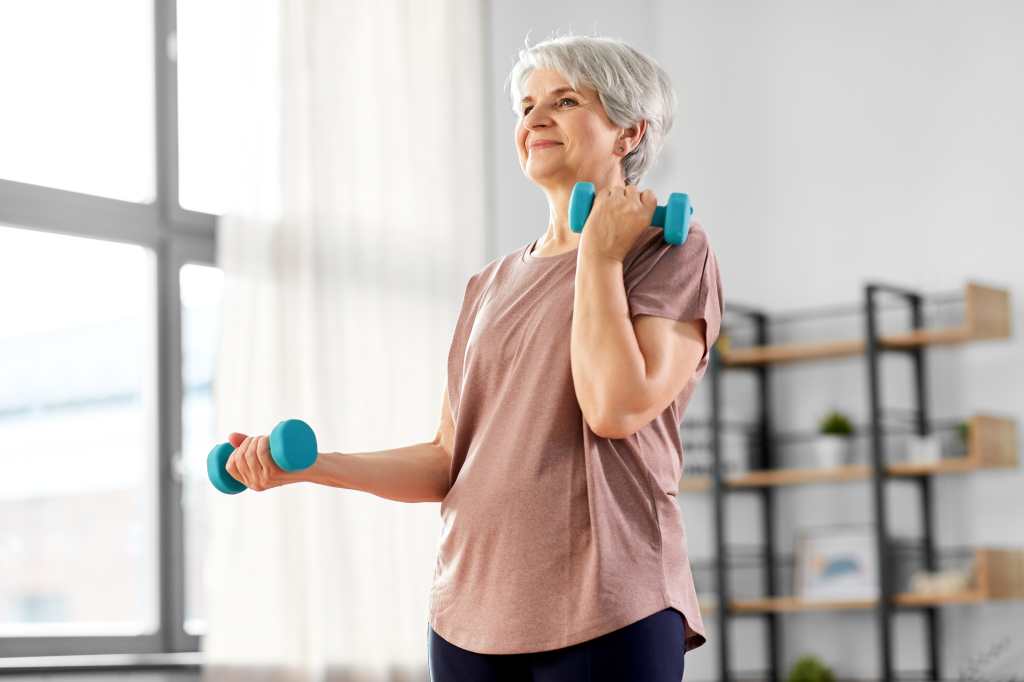
Using small bottles with light water or weights, older adults can perform arms flexions (biceps curl) while sitting. This movement strengthens the arm muscles and improves functional capacity for daily activities such as loading bags or opening doors.
- Leg stretching
Sitting in a firm chair, a leg is stretched forward until it is straight, it remains for a few seconds and lowers slowly. Alternate with both legs for 10 repetitions. This exercise contributes to maintaining strength in the quadriceps and facilitates movements such as climbing stairs.
- Hip twists
Sitting with a straight back, the torso must be slowly turned to the side, keep the position for a few seconds, and then turn to the opposite side. The trunk turns help improve the mobility of the spine and prevent lumbar rigidity, common in older adults.
- Neck stretch
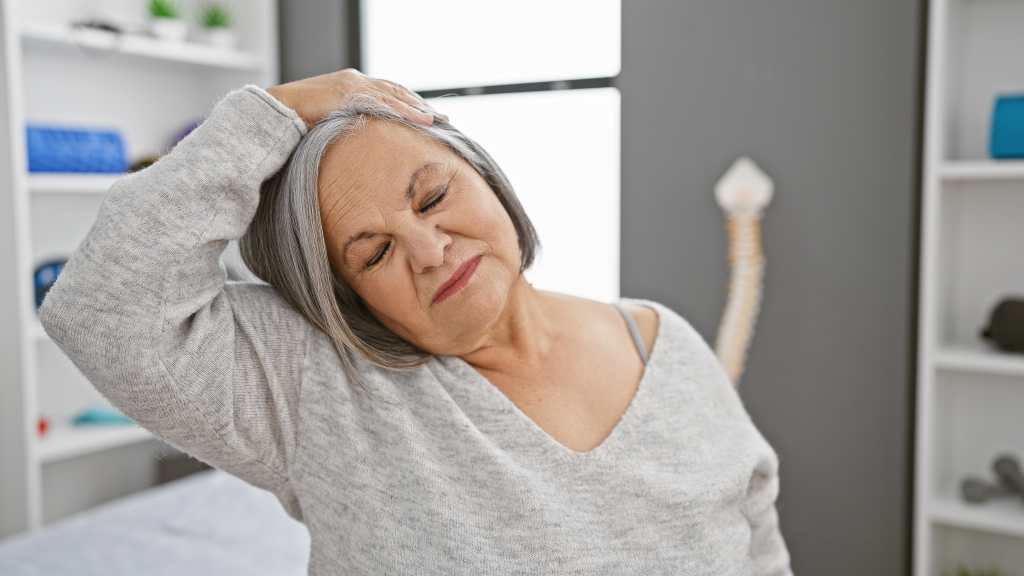
Gently bow your head to the side, keeping a few seconds, and then repeat towards the other. This exercise helps reduce neck tension, improves cervical flexibility and relieves pains associated with prolonged postures or muscle stiffness.
- Deep breathing
Although it is not a physical exercise in itself, practicing diaphragmatic breathing improves the oxygenation of the body, reduces stress and favors muscle relaxation. It can be combined with soft stretching to achieve a complete session of mobility and well -being.
Security and perseverance, keys to success
Before starting any routine, it is essential to consult with a health professional to ensure that the exercises are adequate according to the physical condition of each person. In addition, it is advisable to start with short sessions, no more than 15 to 20 minutes, and progressively increase duration and intensity.
Incorporating these movements in the daily routine can make a big difference in health and general well -being of older adults. With commitment and caution, exercise becomes a valuable ally to age with dignity and vitality.