

Scenery
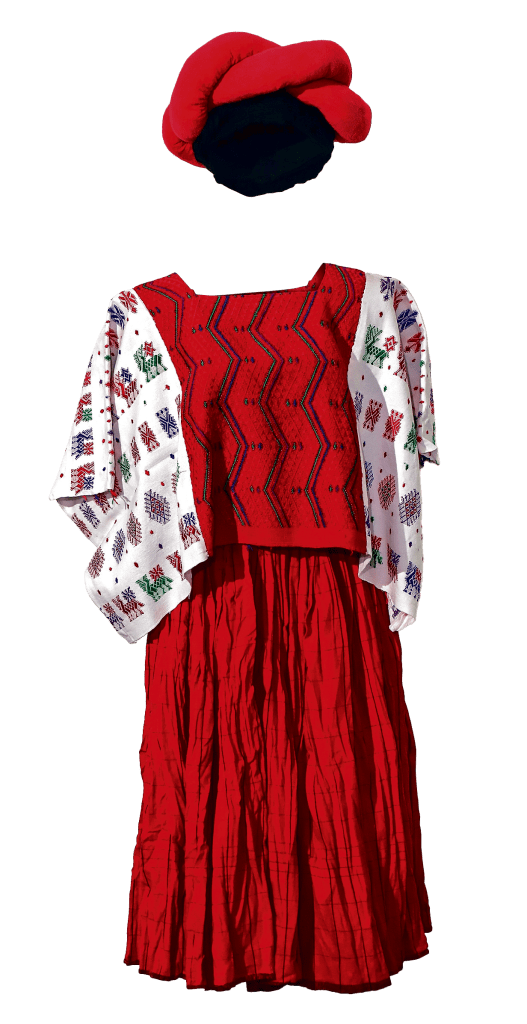
The rolled red fabric ornament, touched or b’akb’al, which is placed on the head, is very distinctive of the Tamahú suit, Alta Verapaz, which is part of the series “Mayan textile tradition”, which is published in Magazine D.
The rolled red fabric ornament, touched or b’akb’al, which is placed on the head, is very distinctive in the Tamahú suit, high truthful. (Photo Press Libre, Juan Diego González)
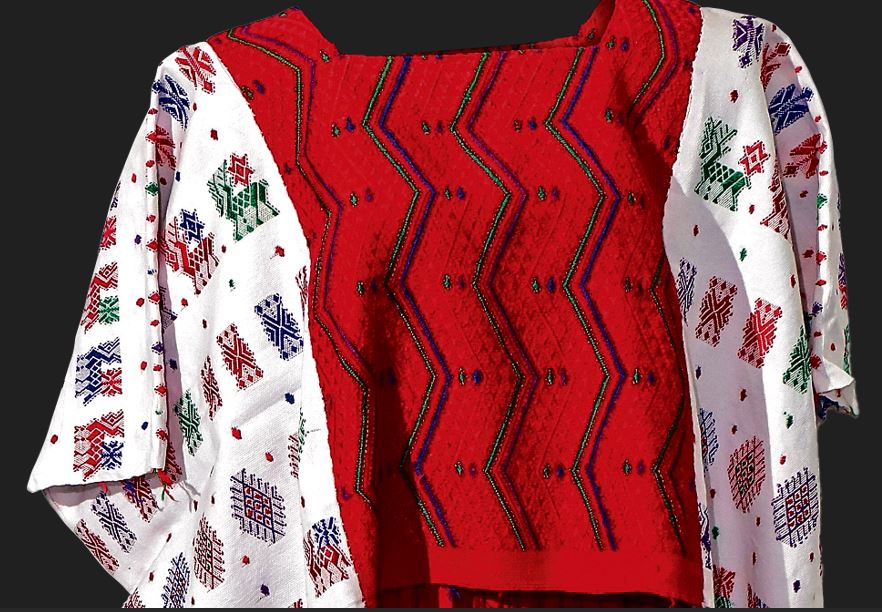
The huipil of this outfit is woven in waist loom and consists of three canvases. The sides have white background, with geometric figures and zoomorphic. The weavers identify some brocked figures on the canvases as butterflies.
The folded or flight cutting It was elaborated in looming, red, and presents a pattern of black lines, although those of yesteryear did not have this characteristic.
Although its use has been diminishing in the community, it has become popular in other populations.
Designs
- Linguistic community: Poqomchi ‘
- Daily use suit and, in some cases, ceremonial
The central canvas of the huipil is predominantly red, with the design of “palik” or arches.
Related readings


Related readings

The rolled red fabric orna and represents the coral snake, considered Nahual of the people. This concept is repeated in other communities such as Palín, Escuintla.
This is one of the costumes that belong to The collection of IXCHEL Museum of the indigenous suit, whose support for the publication of this series is fundamental, especially that of its director and curator, Violeta Gutiérrez.
- The information on Mayan clothing costumes presented in this space depends on the temporality and context of the documents and people consulted by the Ixchel Museum.
- In the Mayan textile tradition, elements such as trends in each community influence the personal taste of the bearers and creators of this tradition. In some cases, the data is scarce or vague.