“As they told me I tell you,” a phrase that many have probably heard in the voice of the journalist, announcer and writer Héctor Gaitánwho, together with the historian, anthropologist, musician and researcher Celso Lara Figueroahe dedicated himself to recovering and transmitting the Guatemalan oral tradition.
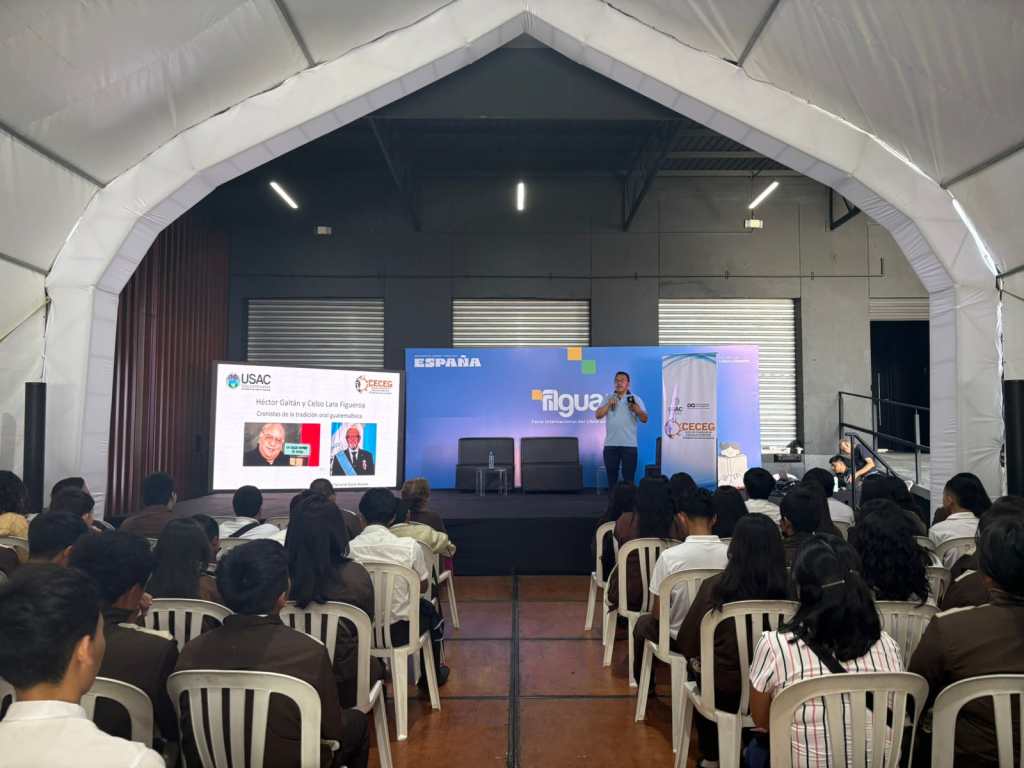
During the conversation about the work of Héctor Gaitán and Celso Lara, as part of the activities of the International Book Fair 2025 (Filgua)the person in charge of the area of traditional and oral literature of the Center for Culture Studies in Guatemala (CCEG), Erick Fernando García, He stressed the importance of the Guatemalan oral tradition and the role of these two characters.
“For me, Gaitán was one of Guatemala’s first influencers,” Garcia told the event attendees, who were mainly students from the National Institute of Basic Education (INEB).
According to Garcia, The accessible narrative style, with a colloquial and emotional language of Gaitán, allowed him to publicize urban legends and capital anecdotes that subsequently reflected in his top work The street where you live.
For its part, Lara’s academic voice allowed to know a broader and more social context of this oral tradition.
“Both rescued oral memory, love for the popular and the defense of heritage, and with their pedagogical and humanistic vocation they captured various legends that are still counted,” said the exhibitor.
However, Garcia emphasized the difference between their works: “While Gaitán narrated the legend, Lara explained why legend.” Although the writers had different approaches, their objectives were the same.
The importance of the Guatemalan oral tradition
In the conversation that took place in the Marilena López room on July 3, Garcia He addressed the relevance of the Guatemalan oral tradition, since it allows to conserve and transmit knowledge, legends, art, music, etc., from generation to generation.
In addition, as approached by Garcia, Oral tradition reaffirms identity, enriches cultural heritage, communicates intergenerational knowledge and inspires art, education and research.
As Lara said: “Popular culture is the soul that continues to sing when the rest is silent.”
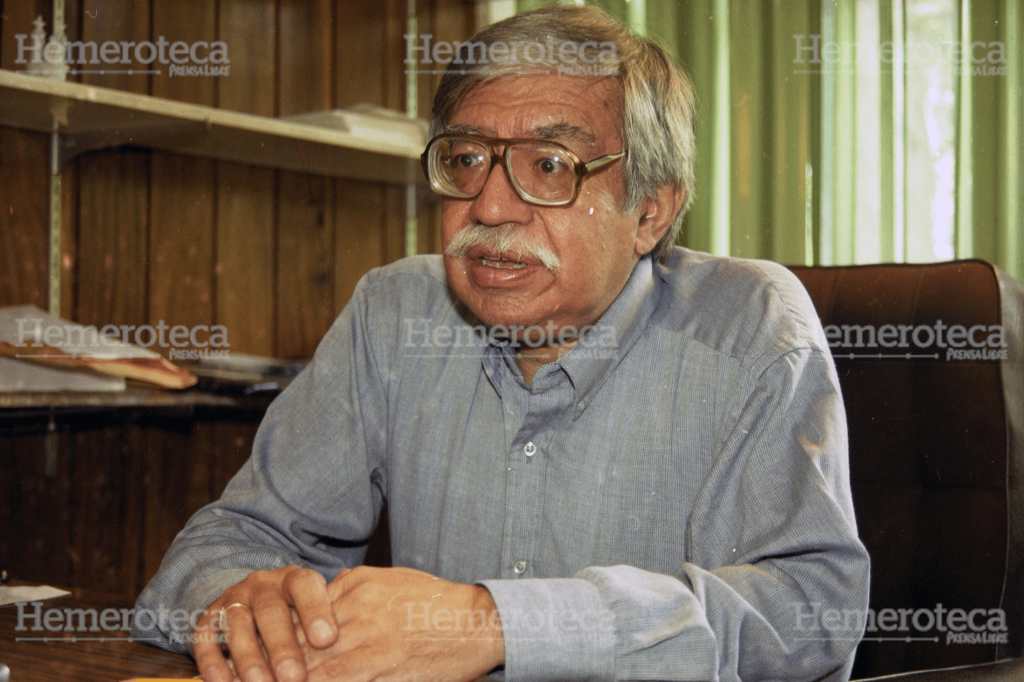
The cultural legacy of Lara and Gaitán
Within the legacy of the writers, Garcia highlighted the urban memory and popular narrative of Gaitán, as well as the academic systematization of folklore by Lara.
Both, he said, are “pillars of the Guatemalan imaginary.”
In addition, they left their work in books like The street where you livefrom Gaitán, and For the old neighborhoods of Guatemala Cityfrom Lara.