

Guatemala is a megadiverse country due to its strategic geographical location and its natural and cultural wealth. The wide Variety of species in the territory fulfills essential functions within ecosystems.
However, The inappropriate or illegal use of biological resources, as well as the lack of appropriate management, has caused overexploitation, destruction of habitats and a significant decrease in biodiversity. These are serious threats that face both the flora and the Guatemalan fauna.
According to the List of threatened species from Guatemala (Lea)prepared by the National Council of Protected Areas (CONAP) in 2022, There are a total of 793 species of endangered animals.
The document classifies animals into three categories that serve to prioritize conservation actions, regulate their use (when apply) and strengthen the legal framework that protects wildlife.
Category 1: Critical danger (PC)
A species is considered in critical danger when it faces an extremely high risk of extinction in the wild. It is included in this category if it meets one or more of the following criteria:
- Population decrease from 80% to 99% in the last 10 years or three generations.
- Extremely restricted geographical distribution (a single locality or less than 10 km²).
- Habitat reduction from 75% to 99%.
- Population of less than 500 mature individuals.
Category 2: In danger (EP)
Endangered species have a high risk of extinction, although less than those of the previous category. They are included if they meet one or more of the following criteria:
- Population decrease from 50% to 79%.
- Distribution between two and five locations or between 10 and 500 km².
- Habitat reduction from 50% to 74%.
- Population between 501 and 1,000 mature individuals.
Category 3: Vulnerable (VU)
A species is classified as vulnerable when there is a moderate risk of extinction. It is included if it presents:
- Population decrease from 30% to 49%.
- Distribution between six and 10 locations, or a territorial reduction from 25% to 50%.
- Habitat reduction from 25% to 49%.
- Population between 1,001 and 2,500 mature individuals.
Each species is evaluated individually and is located in the category that best represents its situation in the country.
In danger of extinction in Guatemala
A national scientific review – supported by CONAP and Wildlife Conservation Society and officially updated 2022 – emphasizes that birds concentrate the largest number of threatened species (147), followed by mammals (131) and reptiles (125).
These are the divisions:
- Cnidarians (corals and anemones): 56 species
- Molluscs: 14
- Arthropods: 143
- Spiders: 2
- Crustaceans: 21
- Insects: 120
- Equinodermos (sea cucumbers): 5
- Vertebrates: 575
- Fish: 60
- Amphibians: 112
- Reptiles: 125
- Birds: 147
- Mammals: 131
Most concern species
These are some of the species that face the greatest risk of extinction in the country, and whose protection is a priority for the conservation of Guatemala’s fauna:
Mammals:
- Central American danta or tapir: It is the largest land mammal in Mesoamerica; Very persecuted.
- Jaguar: Critically threatened at local scale.
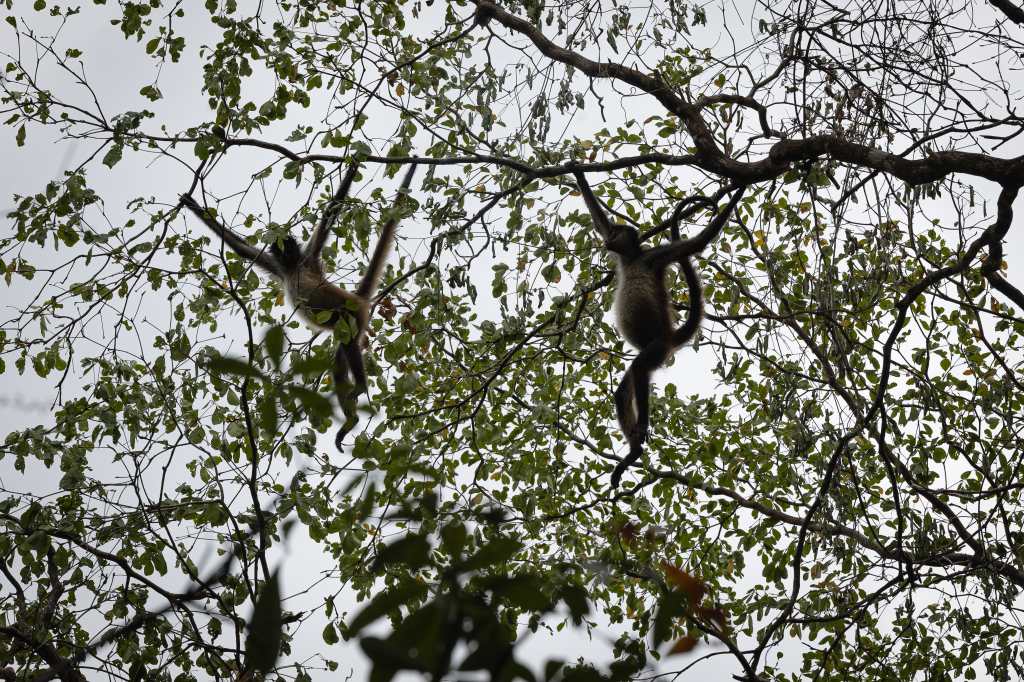
- Central American spider monkey: Affected by deforestation and illegal capture.
- Black Saraguate Mono: Its number decreases by habitat fragmentation.
- Tayra: Carnivorous mammal increasingly rare.
Fish:
- Whale Shark: Vulnerable to collisions and fishing.
- Common Sierra Fish: Practically removed by fishing networks.
- Small Sierra Fish: Critical decline in coastal ecosystems.
- Stained knife fish: Endemic of Guatemalan sweet waters.
- Mero de Nassau: Vulnerable for aggregate reproduction.
Birds:
- Yellow Nape Lor: In serious decline for illegal traffic.
- Eagle created or adorned: Very threatened forest rapaz bird.
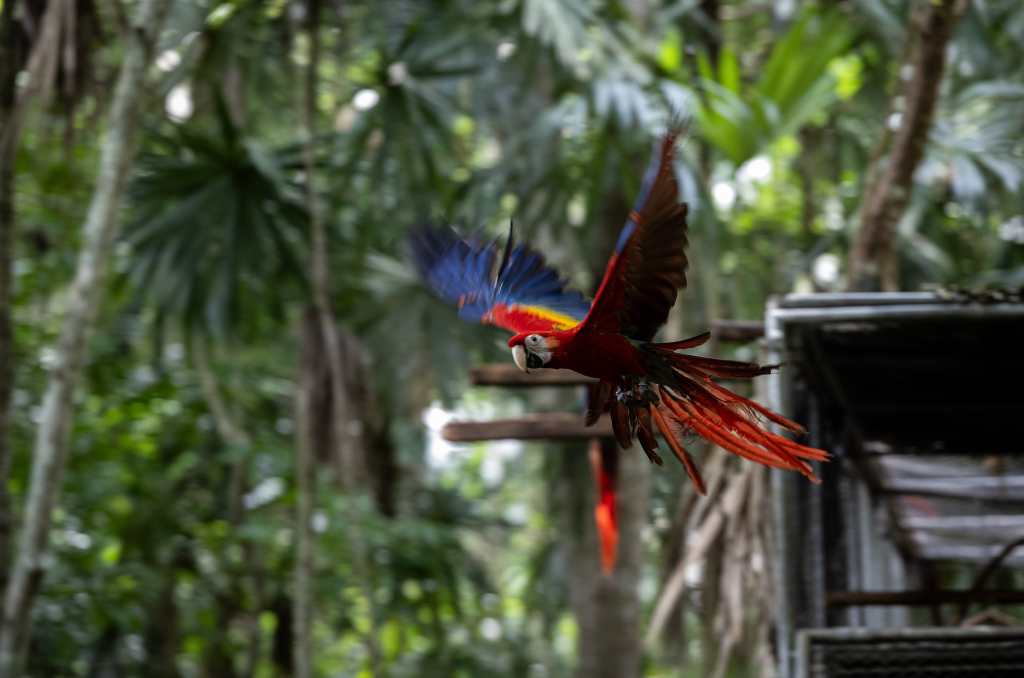
- Red Guacamaya: In critical decline at the local level.
- Pavón Grande: Affected by hunting and loss of habitat.
- Curved wing hummingbird: Endemic of humid forests.
This list does not include species such as Quetzal since according to read this species is found in category 2, in danger (EP) at risk due to habitat loss, restricted distribution and population decrease.
Amphibians:
- Endemic land frog: Inhabits fragmented mountain forests.
- Arborícola frog: Very restricted distribution.
- Endemic salamandra: Low presence in Alta Verapaz.
- Salamandra Miniature: Very vulnerable in the Xucaneb system.
- Salamandra del Chuj: Exclusive from the northwest of the country.
Reptiles:
- LAGARTO DE ABALIOS: Endemic of the Motagua Valley.
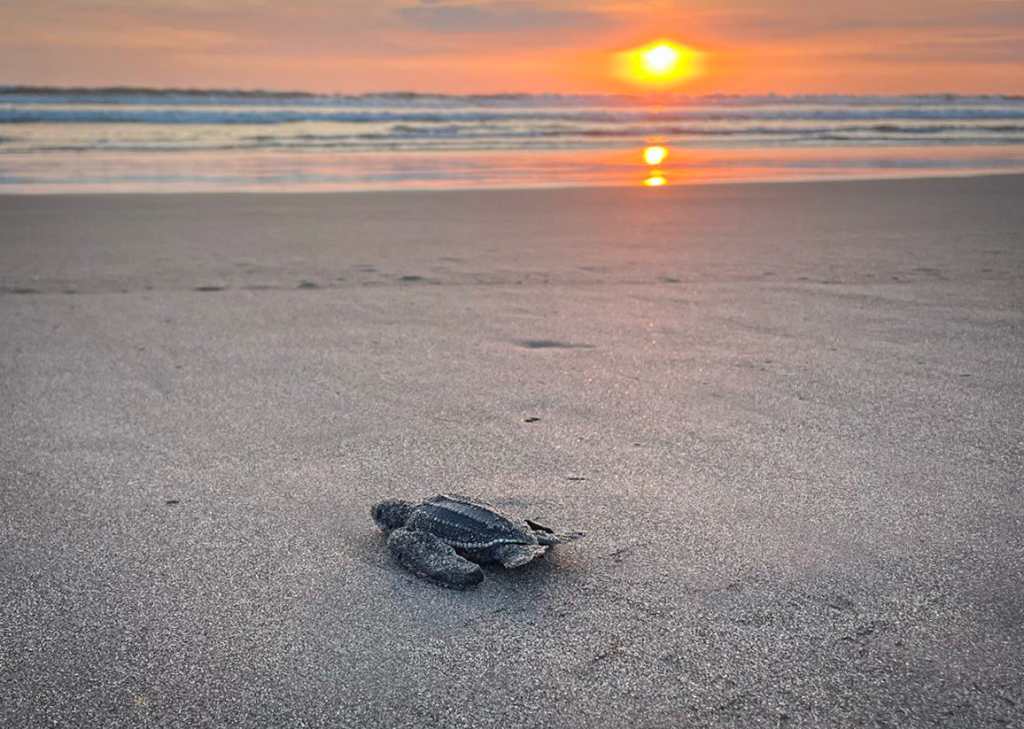
- Baula turtle: Affected by incidental fishing and pollution.
- Argoncito arborícola: Inhabits cloud forests.
- Carey turtle: Victim of illegal trade.
- American crocodile: Pressing for habitat loss.
Insects:
- Variable bumblebee: Global decline pollinator.
- Endemic butterfly: Affected by the fragmentation of the forest.
- Blue giant butterfly: High pressure on your habitat.
- Heliconide butterfly: Specific in your diet.
- Butterfly swallow tail: Mountainous areas.
Why are animals extinguish?
The main causes of extinction in Guatemala include the loss of habitat due to deforestation, urban expansion and change of land use; hunting and overexploitation for commercial, food or medicinal purposes; climate change; diseases such as chitridiomycosis; illegal wildlife traffic and agricultural and industrial pollution.