
Between January and July 2025, Guatemala accumulated revenue from remittances for US $ 14,493.7 million (about Q111 billion), which represents an increase of 19.9% compared to the same period of 2024.
This income is higher at US $ 2,403.3 million to what was received last year, so it is considered a high flow, according to the update of the exchange balance by the Bank of Guatemala (Banguat).
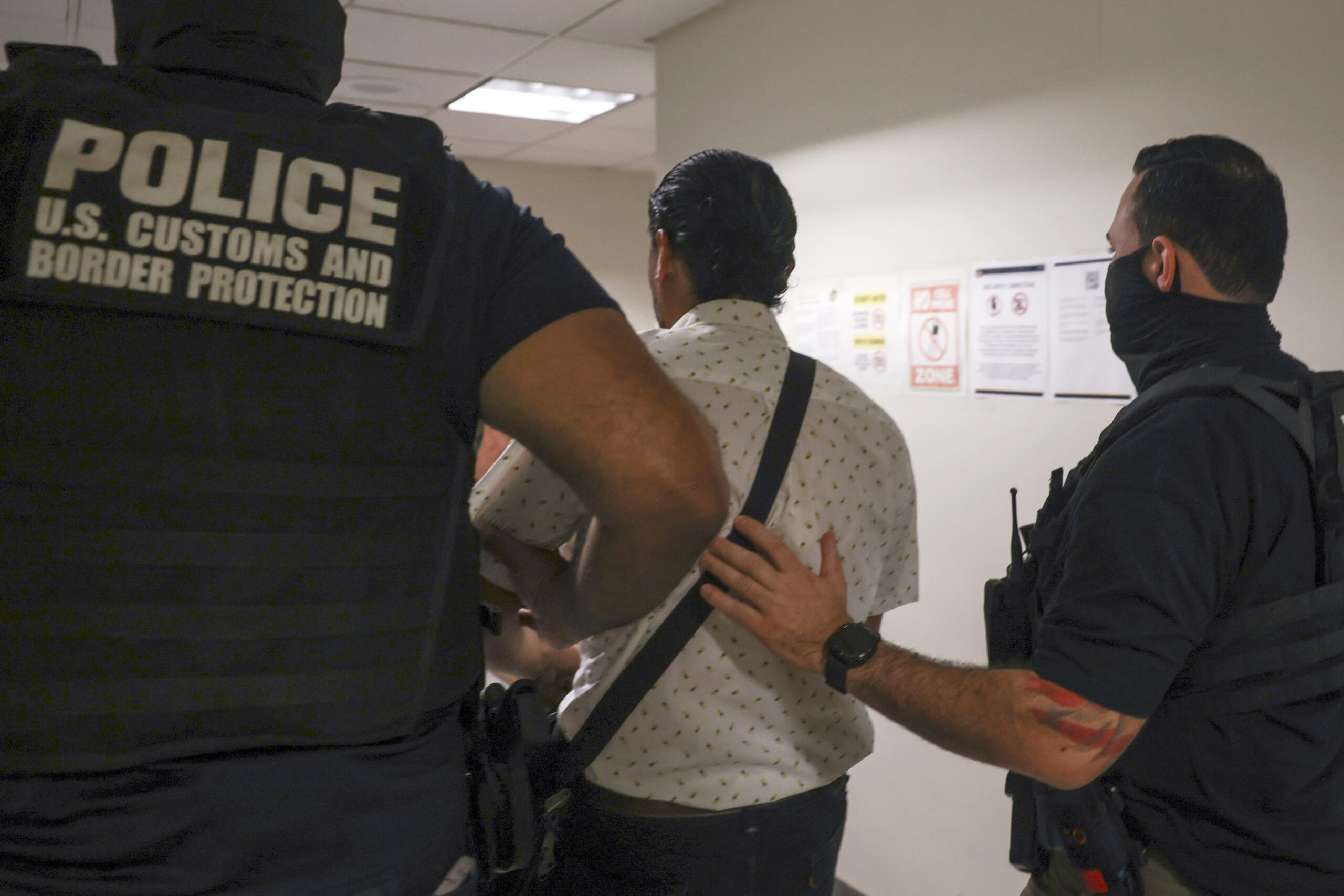
The behavior would be associated with the immigration policy promoted by the authorities of the United States, So a similar trend in the second semester would be expected, according to analysts consulted.
By 2025, family remittances represent 19.3% of the Gross Domestic Product (GDP), which demonstrates its high relevance in various productive activities.
Quarter with record
Álvaro González Ricci, president of the Banguat, declared that the currencies for remittances in July reached US $ 2,366 million, which meant an increase of 30.1% compared to July 2024, when US $ 1,1919 million were recorded.
He explained that there was an increase of US $ 547 million in the year -on -year comparison.
“Every year, while growing, it is a record. Even when the growth begins to decelerate growth, as anticipated by the International Monetary Fund,” said the official.
The exchange balance data indicate that, last July, The average income was greater than US $ 95 million per day, So it is considered an outstanding behavior.
“There are a number of specific facts, such as arrests in the interior of the United States. It is no longer just about what happened at the borders, but a policy aimed at stopping migrants. This generates fear and precautionary thought”
Marcel Arévalo, Flacso Director
Regarding the year closing estimate and the prospects for 2026, González Ricci commented that The evolution of remittances has an impact on other variables Macroeconomic.
“In that sense, the BANGUAT technical departments currently carry out the corresponding analyzes to determine their projection and possible effect on other variables. It should be noted that, at the end of August of each year, there is a comprehensive review of the forecasts of all macroeconomic variables, including family remittances,” he emphasized.
Raids and tax
Marcel Arévalo, director of the Latin American Faculty of Social Sciences (Flacso), explained that this behavior responds to an exceptional increase, similar to that observed during the 2020 pandemic, although this time there is no health emergency.
The researcher said there is natural growth in sending resources by Guatemalan migrants, who maintain their productive activities normally. In addition, new people have joined the labor market in the United States.
On the other hand, there is another group of migrants who, given the raids in work centers, residences and public spaces, would be increasing the sending of remittances.
“There are a number of concrete facts, such as arrests in the interior of the United States. It is no longer just about what happened at the borders, but a policy aimed at stopping migrants. This generates fear and precautionary thought. If they capture them and are sent to prison, they could lose their resources,” he said.
In that context, people would be making early shipments in case of being deported.
Arévalo clarified that the number of deportations remains similar to that of the previous year, but the decrease in the arrival of new migrants and The increase in arrests could be altering the dynamics.
He added that the 1% tax on remittances approved by the United States in July, which will enter into force on January 1, 2026, also influences the behavior of migrants.
“Before they impose taxes on remittances, they prefer to send resources now, so it is a complex phenomenon,” he concluded.