
The physical deterioration associated with age is aggravated by the lack of Physical activitywhich increases the risk of cardiovascular diseases, overweight and damage to the Mental health. Therefore, doctors and health specialists recommend doing at least 30 minutes of daily exercise, a habit that helps to prolong life.
Physical activity, beyond toneing the body, has a high impact on the quality of life of a person, even influencing their longevity by preventing diseases, strengthening muscle mass and avoiding atrophy. Studies cited by the Spanish Heart Foundation emphasize that performing at least 30 minutes of daily physical activity reduces the chances of suffering from cardiovascular and chronic diseases.
The prolongation of life is affected by inactivity, a problem that increases over time. A medical study published by The Lancet He estimates that, by 2030, levels of physical inactivity in adults will reach 35%, which could reduce life expectancy.
Doctors consulted by Free press They emphasize that there are three types of exercises that can be combined to prolong life in a healthy way. In addition, they point out that this must be accompanied by a balanced diet and proper rest.
What kind of exercise extend life?
Among the exercises that can boost longevity, Estuardo Rojas, internist, highlights aerobics and anaerobic, which help prolong life.
The specialist explains that aerobic exercises are focused on cardiovascular, while anaerobic are resistance, fundamental to reduce mortality from cardiovascular diseases.
Rojas emphasizes that various international studies have confirmed that aerobic and anaerobic exercise are significantly associated with reducing the risk of 17 types of cancer, as well as stroke and infarct spills.
The doctor emphasizes that all exercises are decisive, because they contribute to the reduction of mortality due to any cause and, therefore, increase life expectancy.
For its part, Ernesto Man, physiotherapist, details that all exercises can help prolong the quality of life and must be carried out progressively and correctly. Explain that there are three main approaches:
- Cardiovascular exercisessuch as running, swimming or bicycle, which favor mobility and blood circulation.
- Strength exercisesthat strengthen the muscles and improve bone density; They include lifting weights or using their own body weight. They must be performed progressively to avoid injuries.
- Mobility exercisessuch as yoga, pilates or stretching, which prevent muscle atrophy. They are fundamental for sedentary people, since the loss of mobility is usually due to inactivity and not only at age.
Official Recommendations of Physical Activity
Rojas emphasizes that, according to the American Heart Association, at least 30 minutes of exercise per session must be carried out, five times a week, to accumulate a minimum of 150 minutes per week. Ideally, the 300 per week (one hour a day, five times a week) should be reached.
The United Kingdom National Health Service (NHSfor its acronym in English) points out that even exercising once or twice a week can reduce the risk of heart disease and stroke.
NHS recommendations:
- Perform strengthening exercises that work all the main muscle groups – paint, hips, back, abdomen, chest, shoulders and arms – at least two days per week.
- Accumulate 150 minutes of moderate physical activity or 75 minutes of vigorous activity every week.
- Distribute the exercise in 4 or 5 days a week, or practice it daily.
- Avoid being sitting or lying down by prolonged periods; interrup with physical activity.
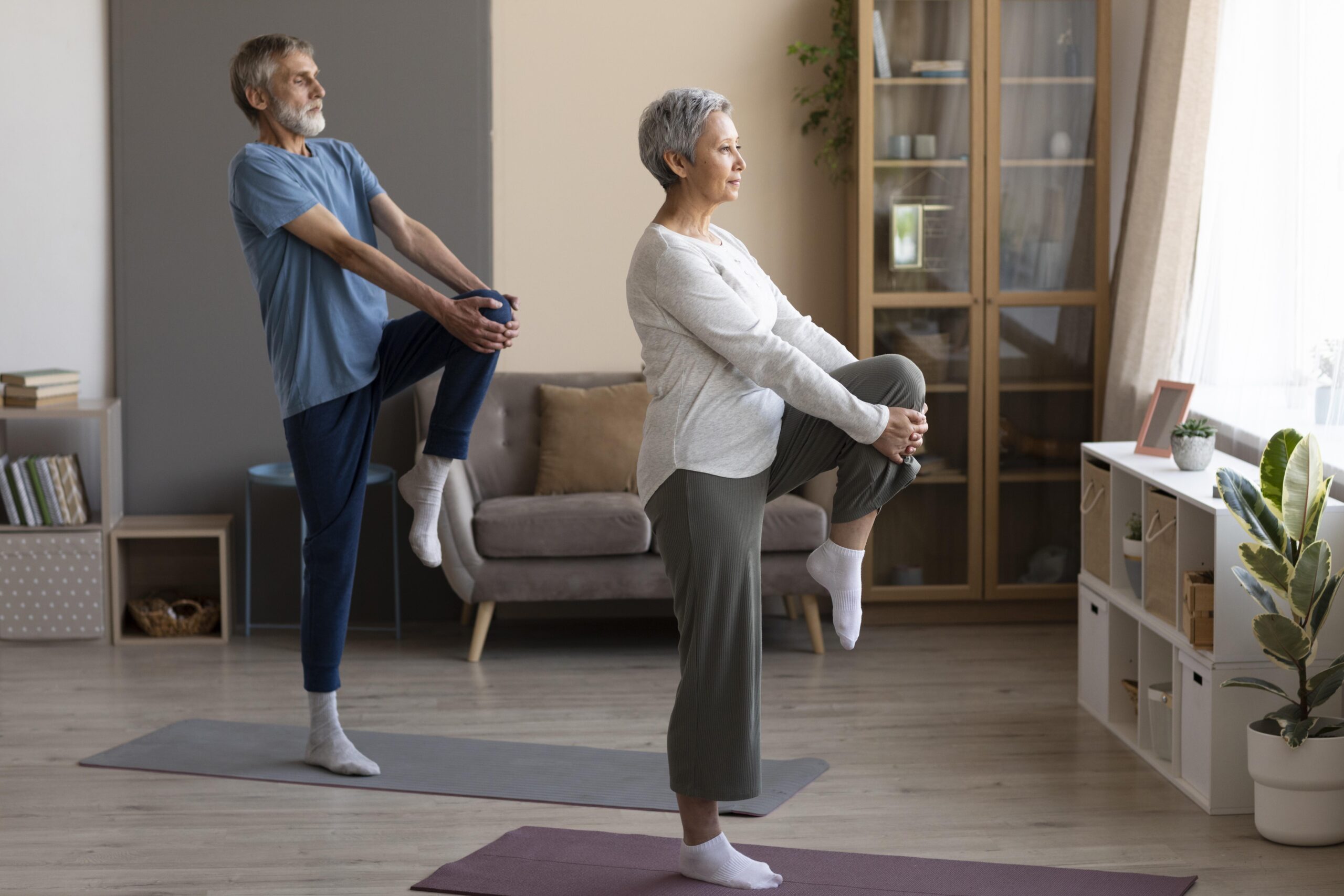
Health Studies highlight that the practice of cardiovascular exercises, strength and mobility can help extend a person’s quality of life. (Free Press Photo / Freepik)
Moderate exercise vs. intense
Regarding the impact of the exercises, Rojas emphasizes that intense exercise, especially high performance intervals, is associated with a greater burning of calories and with the stimulation of genes linked to longevity, which contributes to greater life expectancy.
Moderate exercise, on the other hand, is mainly associated with the improvement of mobility, since it strengthens muscles, bones and even benefits the mind.
Ernesto Man, physiotherapist, stressed that there is no “better” exercise, since both moderate and intense work different areas of the body. For example, if a young man or adult seeks to reduce body fat and tone, force exercises can help you, since they tend to burn more calories.
Moderate exercises are usually recommended to people with hypertension, heart disease or other medical conditions. The physiotherapist emphasizes that age is not decisive for this type of routines, since there are cases of senior citizens who develop high intensity exercises.
Proven benefits of daily movement
Rojas and Man agree that physical activity has multiple benefits for physical and emotional health, which not only prolongs life, but allows you to feel better over time. Among the main benefits are:
1. Best cardiovascular health
Exercise strengthens the heart, which pumps blood more efficiently. Active people usually have a lower heart rate at rest, which is associated with lower risk of cardiovascular disease.
A heart that beats less than 88 times per minute at rest is usually more protected against complications, while overcoming that range increases the risk, says Rojas.
In addition, the exercise helps to regulate blood pressure and improve blood circulation.
2. Bone and muscle strengthening
Physical activity stimulates osteoblasts, cells in charge of reinforcing bones, and helps preserve muscle mass, preventing sarcopenia (muscle atrophy by inactivity or aging).
Resistance exercises are key to maintaining strength and stability, especially in antigravital muscles, responsible for sustaining the body and reducing the risk of falls.
3. Benefits for mental health
Regular exercise stimulates neurotransmitters that generate well -being, reduce stress and anxiety, and decrease cortisol levels, stress hormone.
In addition, it favors memory and cerebral regeneration thanks to the cerebral neurotrophic factor, which decreases the risk of cognitive impairment.
4. Disease prevention
The exercise is linked to a lower probability of developing different types of cancer, since it promotes processes that reduce the appearance of cell mutations.
In summary, moving every day strengthens the heart, bones, muscles and mind, and decreases the risk of multiple diseases.
Tips for maintaining sustainable routine
- Create progressive habits: The body needs to adapt to a stable routine.
- Avoid excuses: Exercise is as important as medical treatment.
- Start gradually: Avoid injuries and allow the body to adapt.
- Choose an exercise that enjoys: Improves constancy.
- Combine cardiovascular exercises, strength and mobility To obtain comprehensive benefits.
For those who lead a sedentary life, the first step is to move: walking quickly, jogging, using the bicycle or elliptical. The initial goal is to reach 30 or 45 minutes per day, considering that the body requires about three weeks to adapt to a new routine. According to Man, “dosing is more important than the type of specific exercise.”
In disciplines such as the gym, it is recommended to start with light loads: “I cannot start by making squats with 45 pounds on each side; the appropriate thing is to start alone with the bar, then with 10 pound records, and increase,” he explained.
Man warned that many people are injured because they are activated, motivated by emotion, but without dosing the effort. That is why he recommends starting with cardiovascular exercises the first week and then incorporating strength according to the chosen discipline: gym, swimming or other sport.