
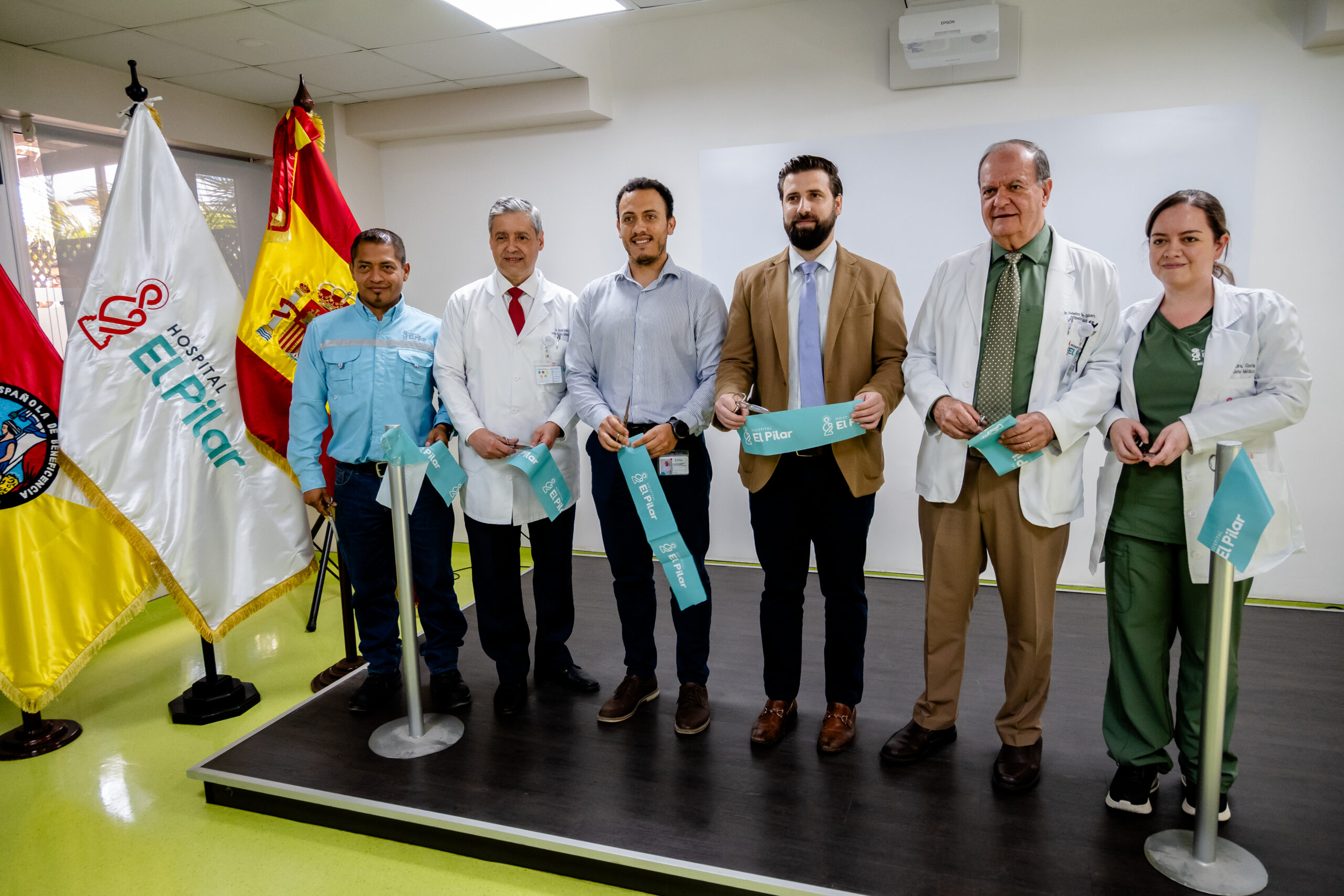
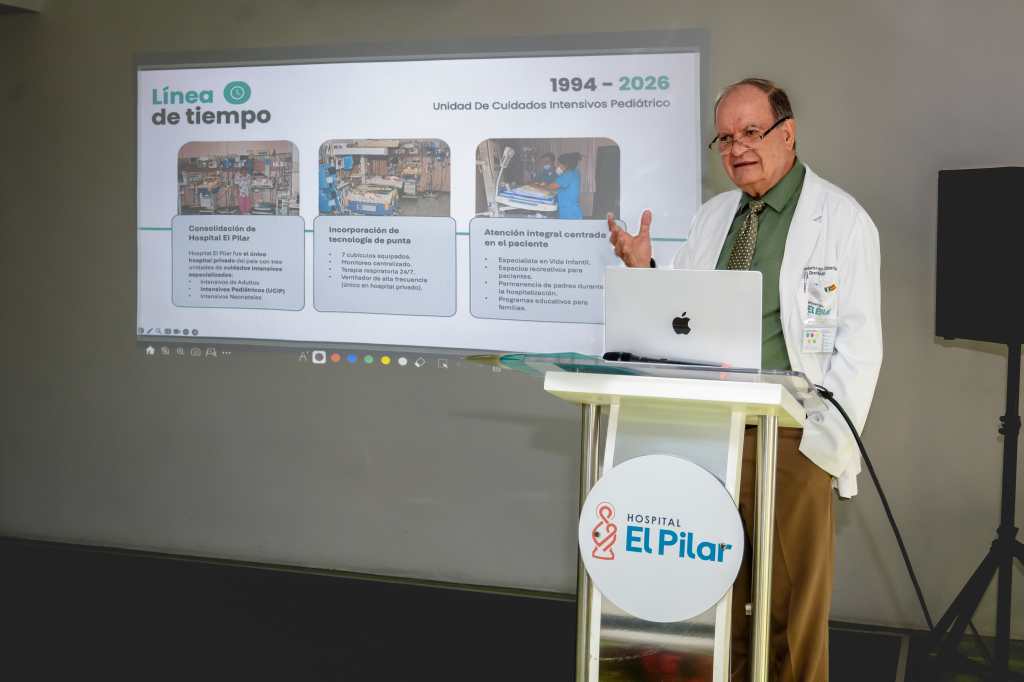
This 400 m² architectural and technological project represents a radical evolution within the trajectory of the service, which was originally founded by the institution in 1994.
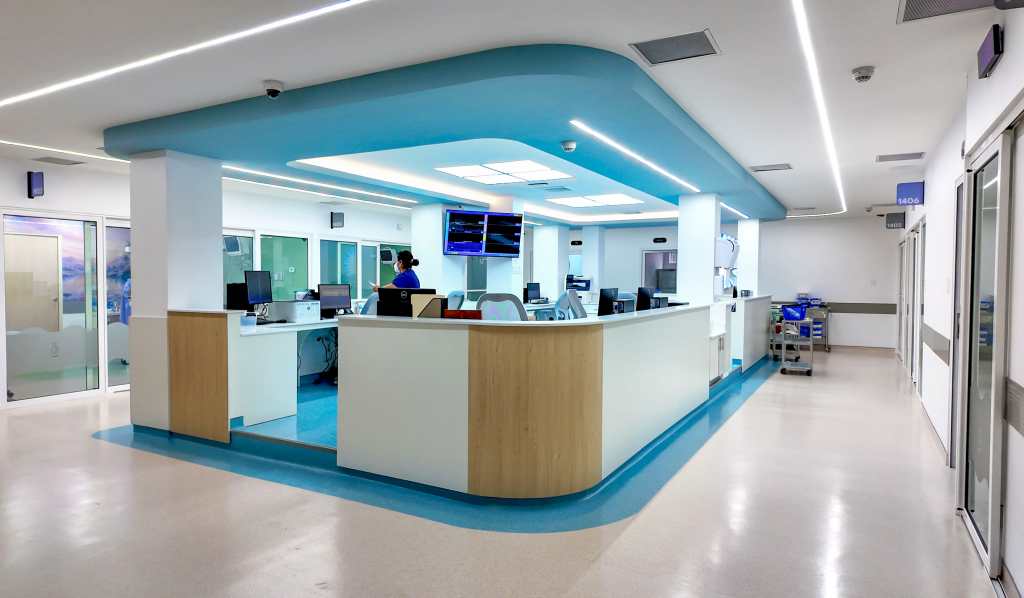
The infrastructure was equipped with modernized medical gas systems, electrical panels with state-of-the-art protections, vinyl floors with antimicrobial coatings and an advanced air conditioning system with constant renewal of fresh air and HEPA filtration.
“This remodeling integrates technical and security solutions: from gas and alarm systems to HEPA filtration and differentiated access to isolation areas. We have prioritized operational efficiency and long-term maintenance to ensure continuous 24-hour attention,” explained engineer Daniel Visa, executive director.
The Pediatric Intensive Care Unit now has seven highly complex rooms, including two critical isolation rooms designed under strict international regulations. In terms of equipment and privacy, the rooms have electrically activated tinted windows and a continuous monitoring center connected to the nursing call system.
Child care profile
The renovation of the unit responds directly to the seasonal and epidemiological demand of the country; children are more exposed to respiratory infections due to the immaturity of their immune system and frequent exposure to viral and bacterial processes in daycare centers and schools. Sometimes, these pathologies become so complicated that treatment must be more specialized, requiring ventilatory assistance, multiple medications, and frequent monitoring.
On the other hand, traumas of all kinds are common in early childhood. When they affect the skull and brain (what is known as Traumatic Brain Trauma -TBI-) they can endanger the lives of small patients if they are not treated appropriately and in a timely manner.
To this end, the staff of the Pediatric Intensive Care Unit is trained to support pediatricians and treating intensivists in the comprehensive management of severe cases. This is vital given the multisystem failure that usually occurs in some patients, complementing the treatment with constant monitoring of the parents.
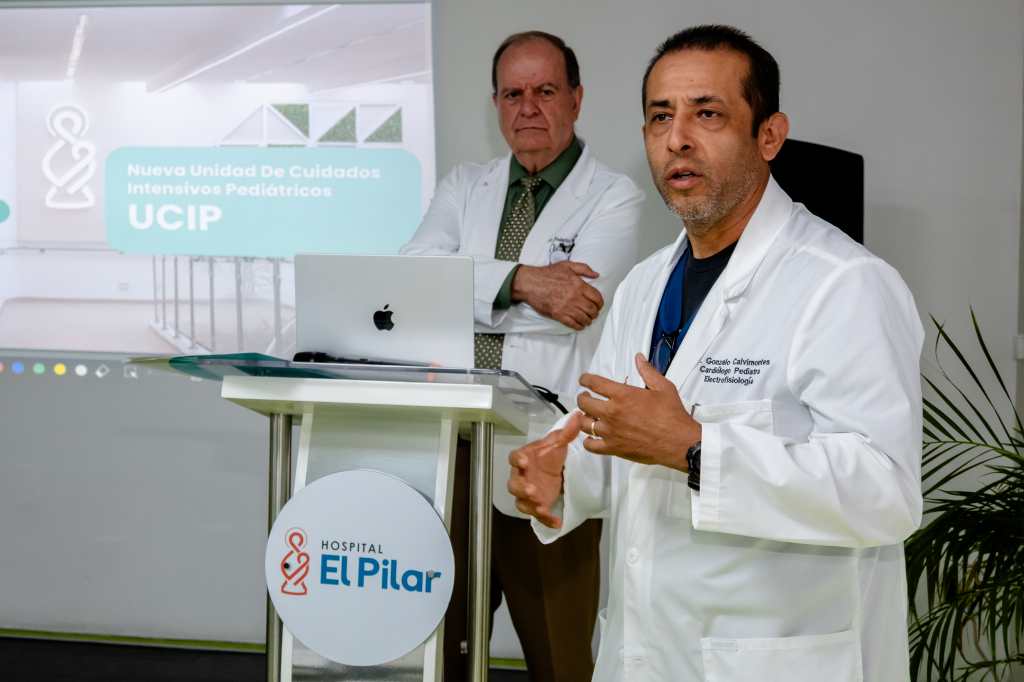
Currently, very complex surgical procedures in cardiac surgery, neurosurgery, traumatology and other specialties are performed at the El Pilar Hospital that warrant permanent observation in post-surgical management. This care can only be optimally carried out in the Pediatric Intensive Care Unit (PICU) of our institution.
Leadership in high complexity and early diagnosis
With this opening, El Pilar Hospital is consolidated as the only private healthcare center in Guatemala that operates simultaneously with three independent intensive care units: adults, pediatrics and newborns, each with specialized staff.
Additionally, the redesign includes a room configured exclusively for the care of patients undergoing bone marrow transplants. This space has differentiated access flows for the medical staff and companions, becoming the only private hospital offering in the country with this isolation capacity.
On the clinical side, the unit offers a multidisciplinary approach with immediate delivery of laboratory tests and direct access to state-of-the-art diagnostic imaging, including tomography, magnetic resonance imaging, conventional radiology and portable echocardiography.
“At El Pilar Hospital we are characterized by constant innovation and the incorporation of cutting-edge technology. The emphasis on safety protocols, early diagnosis and interdisciplinary work will allow us to improve clinical results and reduce recovery times for our pediatric patients,” said Dr. Federico Ranero Cabarrús, medical director of the institution.
With this renovation of infrastructure, El Pilar Hospital reaffirms its historical commitment to the health of Guatemalan families, adapting its response capacity to the medical demands of the 21st century.
The combination of an avant-garde architectural design (which incorporates natural lighting and humanized environments to reduce children’s hospital stress) together with the high specialization of its technical staff, consolidates the institution as a benchmark for private medicine in Central America, leading the way towards the physical and digital transformation of the health sector.