
The 2026 World Cup enters its decisive phase and team statistics begin to tell a story that goes beyond goals, ball possession or clean sheets. At this point in the tournament, the numbers help explain why certain teams are still in competition and which have built more consistent campaigns.
The analysis was prepared based on official FIFA statistics and the records accumulated up to the round of 16.
More than anticipating who will be the champion, it allows us to identify the strengths that have taken the eight survivors to the quarterfinals. The balance between attack, defense and consistency once again emerges as the common trait of the main contenders for the title.
This is how each team reaches the quarterfinals
- Swiss has made collective organization its main argument to be among the eight best.
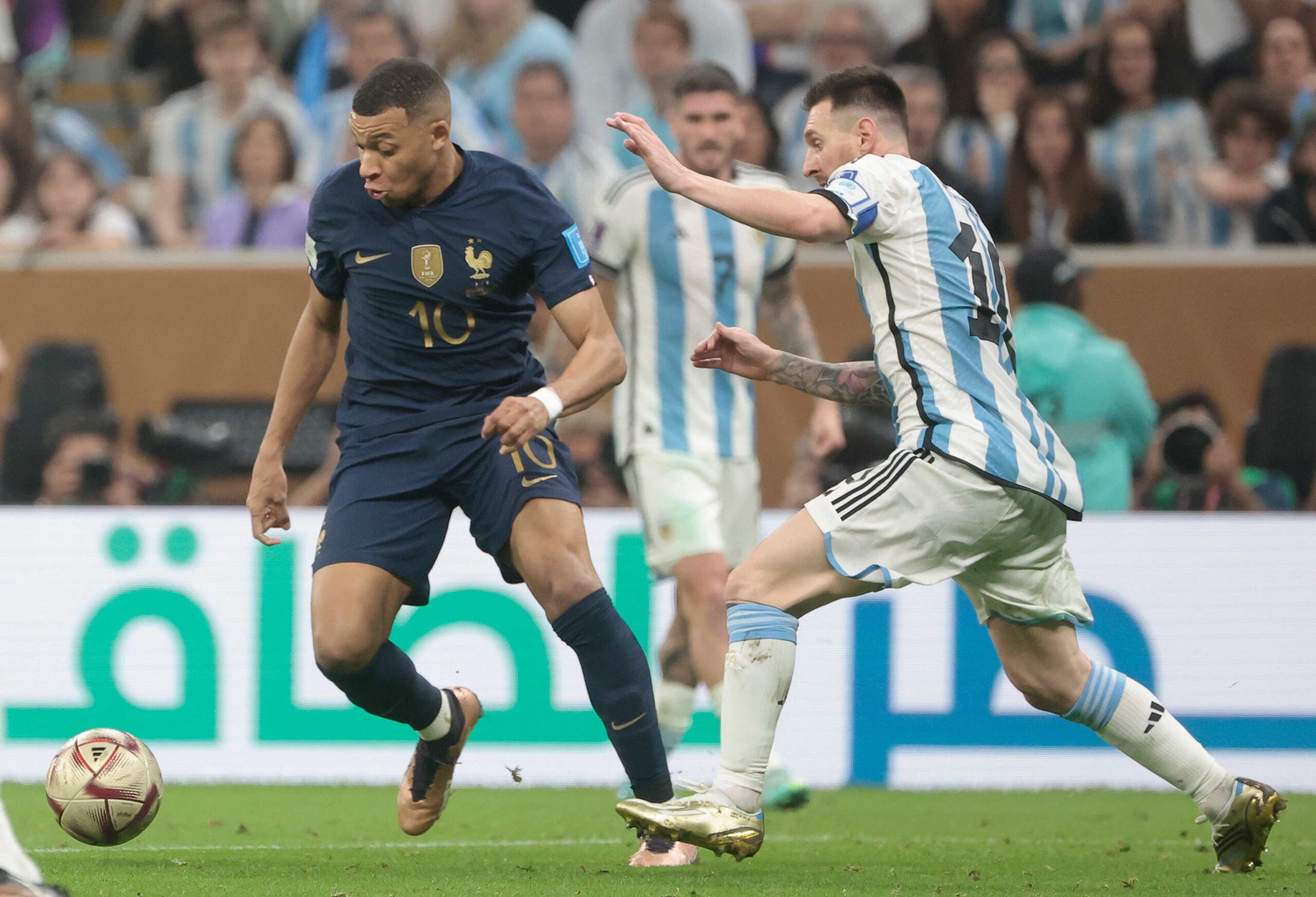
- Argentina He bases his candidacy on the most productive attack in the championship and on the offensive leadership of Lionel Messi.
- France It combines one of the best offenses with a solid defense, emerging as the most balanced team in the tournament.
- Morocco continues to demonstrate that tactical discipline can compete against higher-ranking teams.
- Spain He has built his route from the defensive order and reaches the quarterfinals without conceding goals.
- Belgium maintains high offensive efficiency and has found in Romelu Lukaku a decisive boost from the bench.
- England It does not dominate a specific statistical section, but it is among the most consistent teams in the World Cup.
- Norway He sustains a large part of his offensive production in the speed of his transitions and the scoring ability of Erling Haaland.
No quarterfinalist arrived by chance
Beyond the different styles of play, there is a common denominator among the eight teams that continue in the race.
None depends exclusively on a single strength. They all present at least one collective indicator that explains their performance during the first five days of the championship.
Argentina and France stand out for their ability to generate goals; Spain built its candidacy from defense; Belgium maintains a high offensive efficiency; England stands out for its regularity; while Morocco and Switzerland have shown that tactical order remains a competitive resource in the direct elimination phases.
Argentina and France lead the attack
According to official FIFA statistics, Argentina and France are among the teams with the highest offensive production in the championship, with 14 goals in five gamesfor an average of 2.8 scores per game.
Belgium, Norway and England also appear among the teams with the best offensive records, confirming that forcefulness continues to be one of the main factors to advance in a World Cup.
In direct elimination matches, this offensive capacity allows matches to be resolved without depending exclusively on overtime or penalty shootouts.
Spain builds its candidacy from defense
If Argentina and France stand out for their scoring volume, Spain does so for the solidity of its defensive system.
La Roja reaches the quarterfinals with five clean sheets in five gameswithout receiving annotations until this stage of the tournament.
France also has an outstanding record, with just two goals conceded and three clean sheets, a combination that explains why it appears among the most complete teams in the championship.
The details will decide the quarterfinals
The accumulated statistics help to understand the performance of each team, but as the knockout phase progresses the differences begin to reduce.
Possession of the ball, offensive volume or the number of shots generate trends, although effectiveness in both areas usually becomes the decisive factor.
For this reason, teams like Morocco or Switzerland have a real chance of competing against rivals with better offensive numbers if they manage to impose close matches and take advantage of the few opportunities they generate.
On the other hand, teams like Argentina, France or Belgium will seek to transfer their statistical superiority to the scoreboard from the first minutes to avoid prolonged matches.
A pattern that repeats itself
Statistics do not predict the 2026 World Cup champion, but they do allow us to identify a trend that has been repeated in the last World Cups.
When the tournament enters its decisive phase, the teams capable of combining goals, defensive organization and consistency for several consecutive days survive.
Until now, the 2026 World Cup has been no exception.