
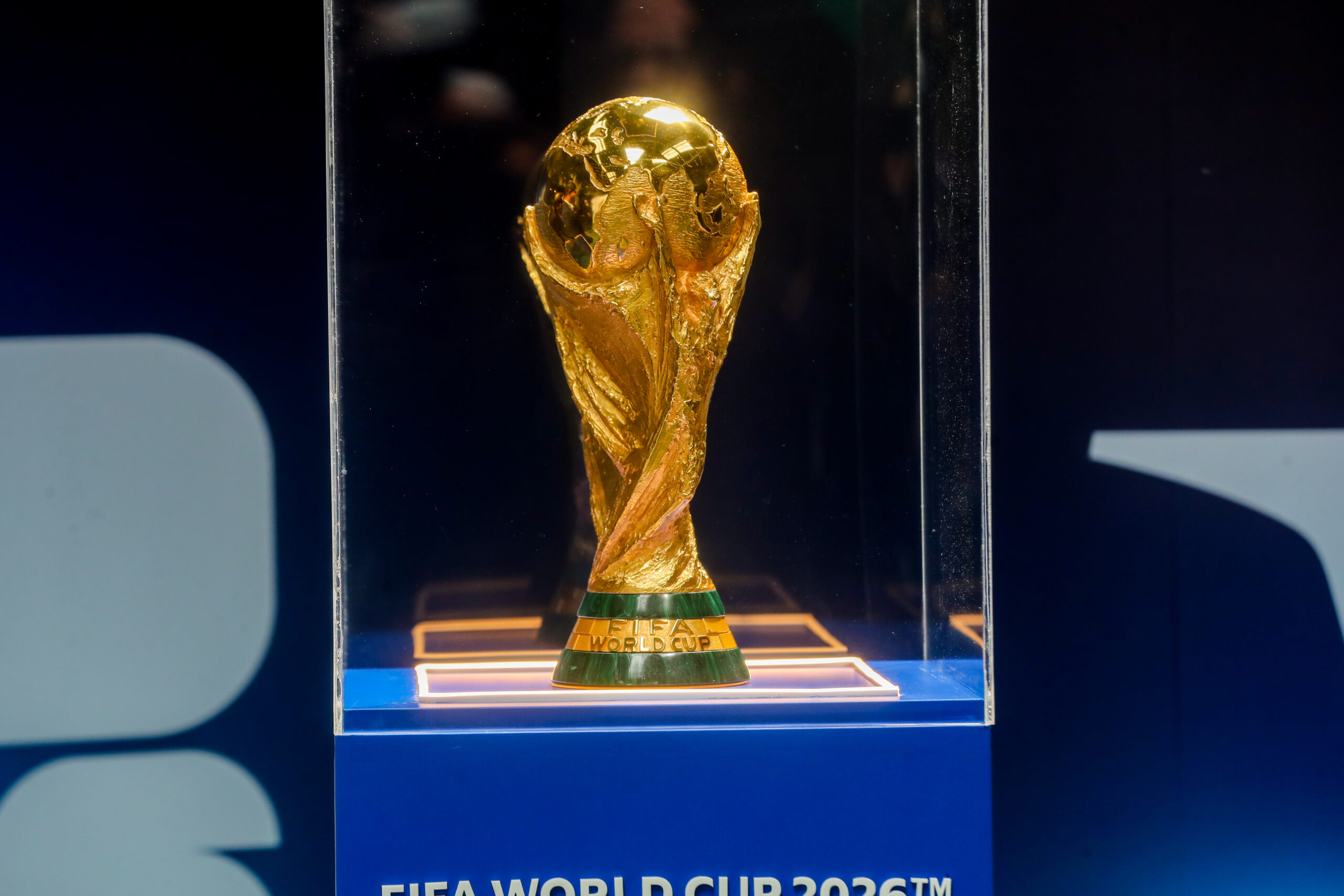
The World Cup final is not just a soccer match; is the point culmination of years of work, collective dreams and entire generations pending ninety minutes that can change history.
In that scenario, where glory and tragedy coexist, unique episodes have occurred that today form part of the most fascinating legacy of the beautiful game.
These are ten curiosities that explain why the World Cup remains the largest tournament on the planet:
1. Two balls in the 1930 final
The first final was played with two balls: one Argentine and one Uruguayan. Belgian referee John Langenus raffled off which one to use in each half. Argentina dominated the first half (2-1) with their ball, but Uruguay came back in the second (4-2) with theirs.
2. Luis Monti, finalist with two selections
The Argentine Luis Monti is the only player who played in two finals with different teams: with Argentina in 1930 and with Italy in 1934, in both times under pressure and threats.
3. Jules Rimet and the chaos of the Maracanazo
In 1950, the president of FIFA went down to the field thinking of giving the trophy to Brazil. When he arrived, Uruguay had already come back. The confusion was total.
4. Brazil bought jerseys in 1958
In the final of Sweden 1958, Brazil had to improvise a uniform. He bought t-shirts at a local store, sewed numbers and a shield, and ended up winning his first title with Pelé as a figure.
5. A linesman with his own stadium
Tofiq Bahramov validated the most controversial goal in history in 1966. England won that World Cup and the main stadium in Baku today bears his name.
6. Germany started losing without touching the ball (1974)
In the 1974 final, the Netherlands scored a penalty after 16 passes without Germany touching the ball. Even so, the Germans came back and were champions.
7. Champions without playing a minute
Figures like Daniel Passarella, Franco Baresi and Ronaldo Nazário were world champions without playing a single minute in those tournaments.
8. Kramer didn’t know he was playing in a final (2014)
Germany’s Christoph Kramer suffered a concussion and even asked the referee if they were playing in the final. Then he didn’t remember anything about the game.
9. The “curses” of the finals
Three patterns have been repeated historically:
- No foreign coach has won the World Cup.
- The Ballon d’Or does not lift the Cup.
- The number one in the FIFA ranking does not become champion.
Added to these are other less widespread ones, such as that no coach over 60 years of age has won the title or that no undefeated team in the group stage ends up champion.
10. The trophy is not touched… by protocol
Beyond superstition, Fifa regulations prohibit anyone who is not a world champion, head of state or president of the organization from touching the original trophy.