
There are World Cups that end with a champion.
And there are World Cups that also present the next generation.
In Mexico, the United States and Canada, not only was Spain’s dominance confirmed. Footballers also appeared who in four years will reach the next World Cup with an experience that today very few players of their age possess.
Some were already known.
Others took advantage of the tournament to make themselves known outside their leagues.
They will all be between 21 and 25 years old when the 2030 World Cup begins, an age when many footballers reach their best version.
These are some of the faces that can mark the next cycle.
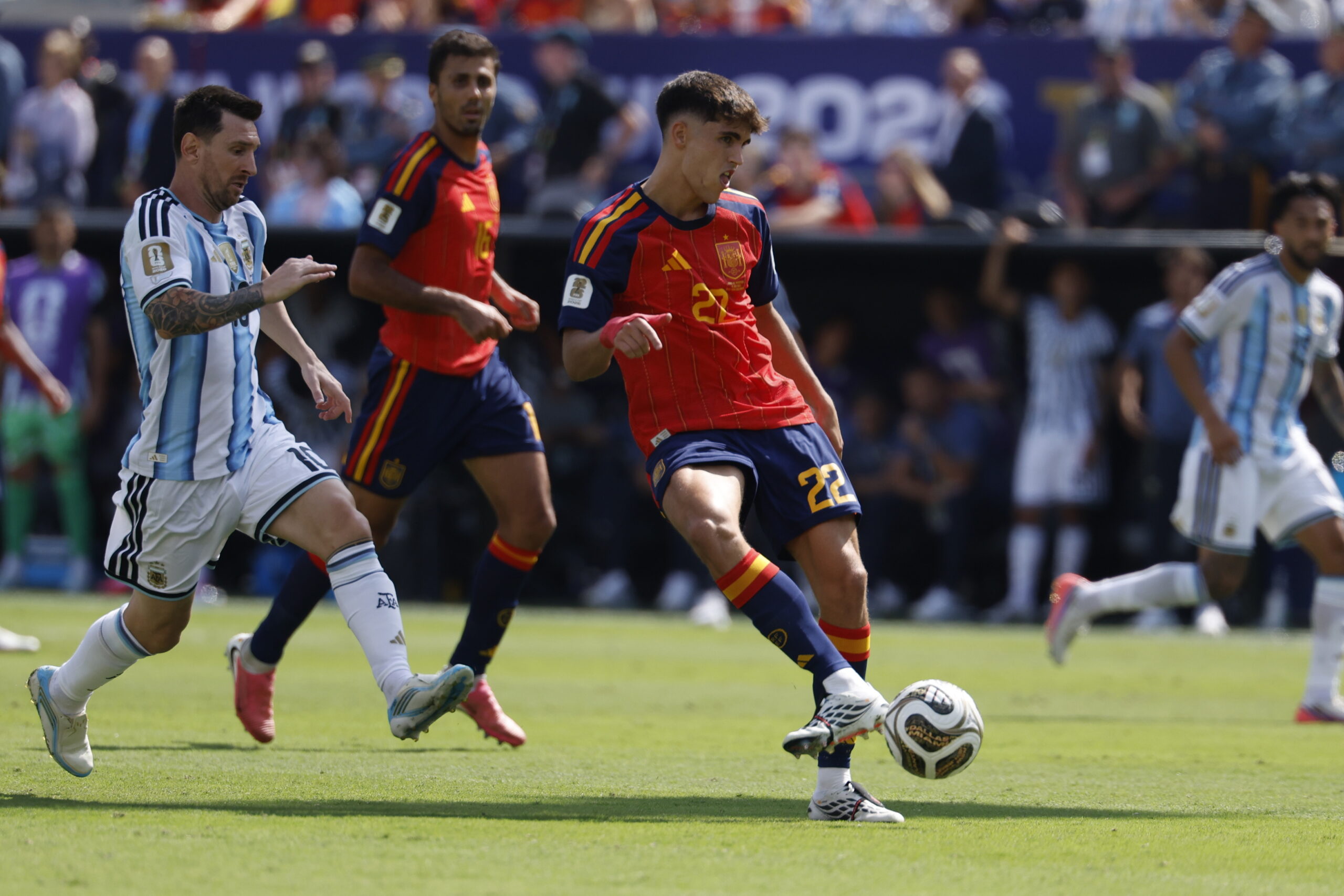
Pau Cubarsí (Spain | 19 years old)
If the World Cup confirmed anyone, it was Cubarsí.
It is not common for a 19-year-old defender to start for an entire tournament and end up winning the World Cup.
Spain conceded just one goal in eight games and the Barcelona centre-back was recognized as Best Young Player.
The most striking thing is the perspective.
When the 2030 World Cup arrives he will still be only 23 years old.
But he will have already played – and won – a World Cup final.
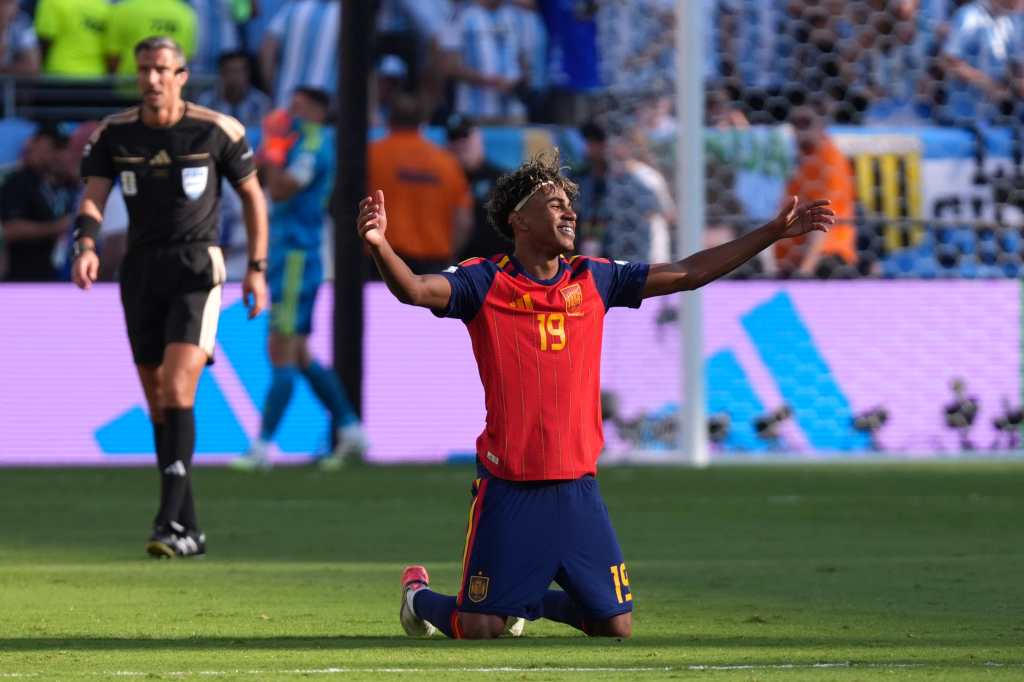
Lamine Yamal (Spain | 18 years old)
There are footballers who stop being promising before turning twenty.
That happened with Lamine.
He arrived in North America as European champion.
He also left as world champion.
The interesting thing is not to imagine if he will be a star.
It already is.
The question is how far a career that has not yet reached football adulthood can go.
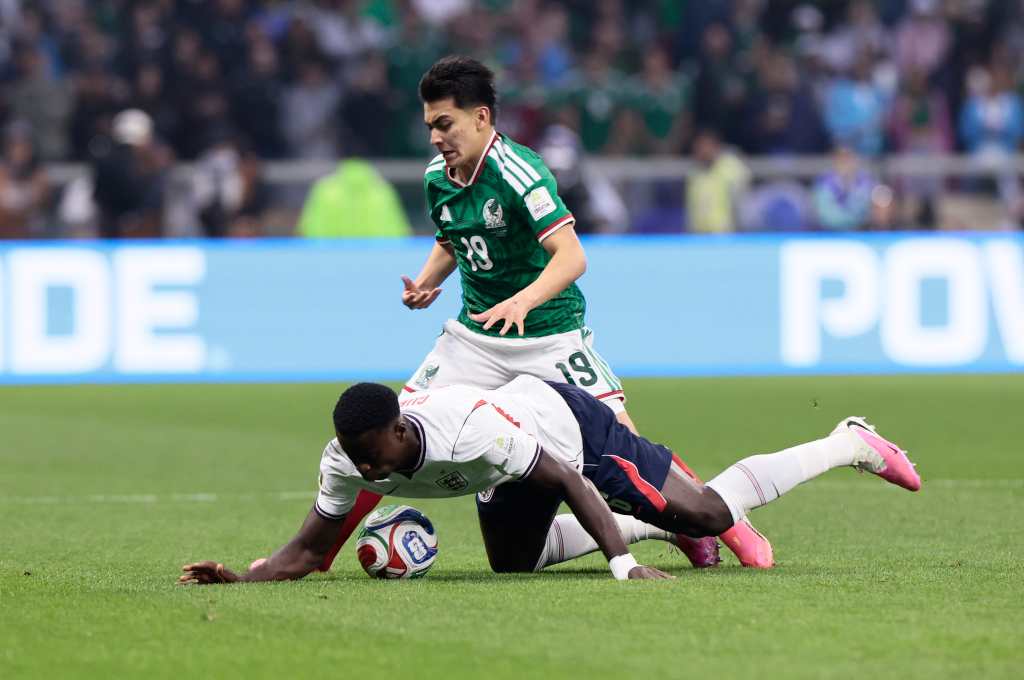
Gilberto Mora (Mexico | 17 years old)
The tournament needed a local story.
And Gilberto Mora appeared.
At just 17 years old he found minutes in the Mexican midfield and left the impression of playing with a serenity inappropriate for his age.
In 2030 he will only be 21 years old.
That is to say, he could play his second World Cup when many players are just starting their first.
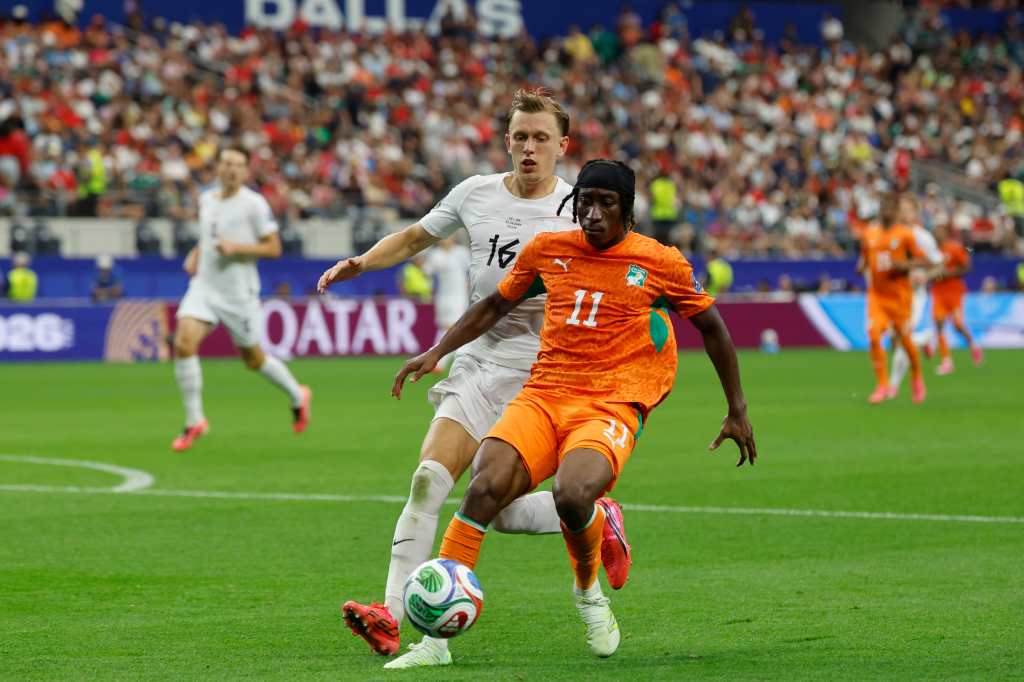
Yan Diomande (Ivory Coast | 19 years old)
Africa always leaves a revelation.
In North America it was Diomande.
His physical power and ability to break down defenses helped Côte d’Ivoire to produce one of the most outstanding performances on the continent.
Even more important was the feeling it left.
It doesn’t seem like a project anymore.
He seems to be the next Ivorian offensive reference.
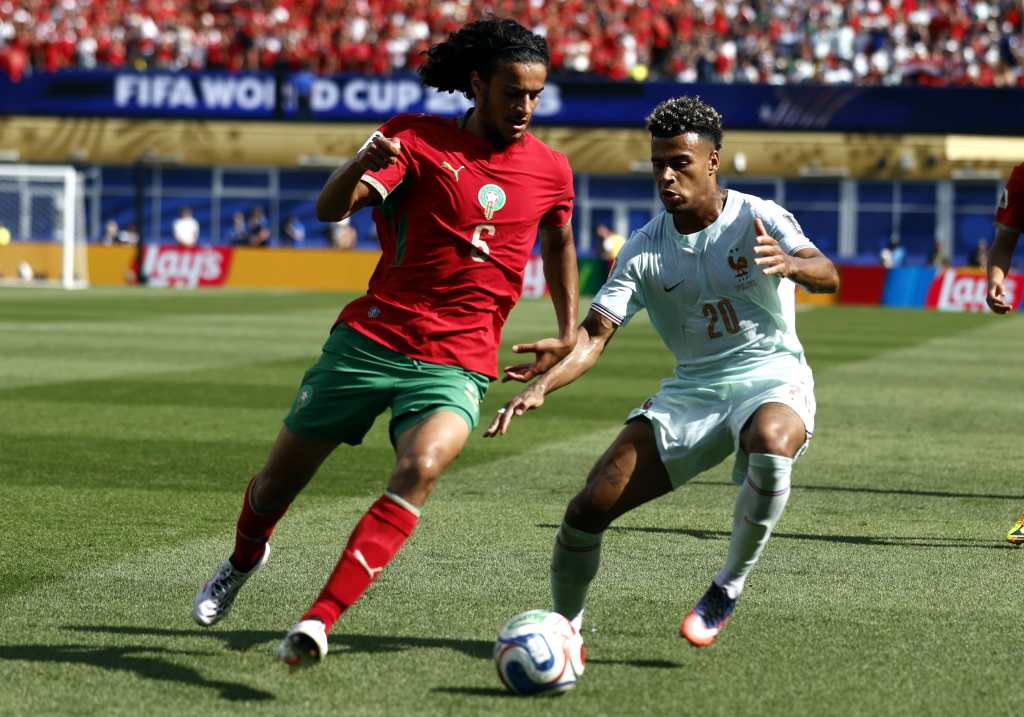
Ayyoub Bouaddi (Morocco | 18 years old)
Morocco confirmed that its growth was not a coincidence.
And Bouaddi appeared as one of the symbols of the generational change.
With the personality to take on the ball and enough calmness to play under pressure, the midfielder showed the conditions to become the organizer of the next Moroccan team.
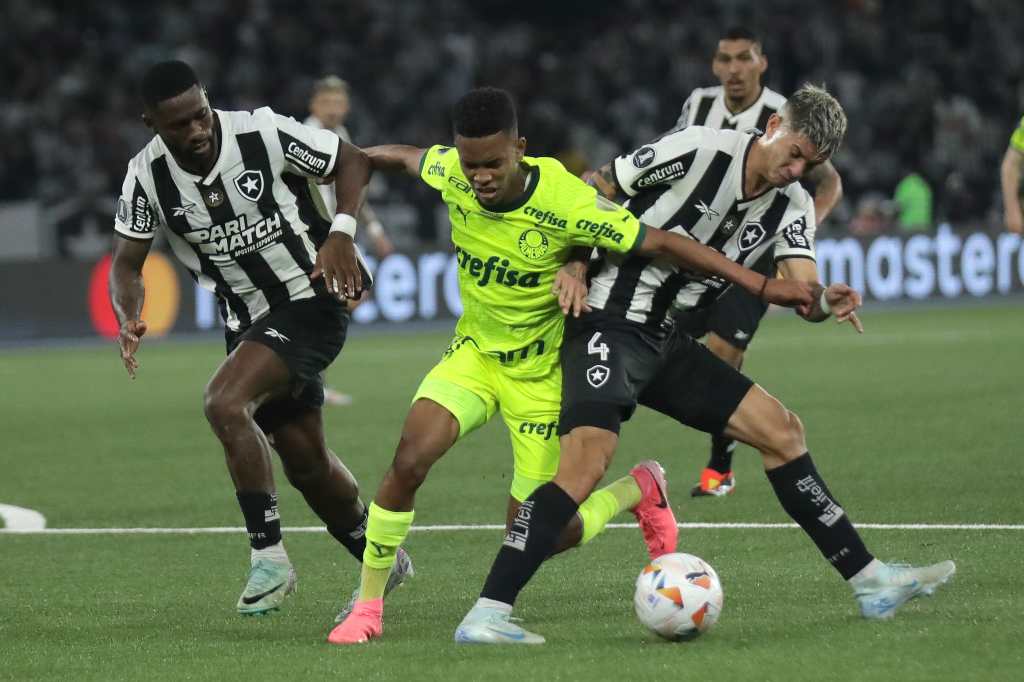
Estevão Willian (Brazil | 19 years old)
Brazil left again without the title.
But he found reasons to look forward.
Estevão confirmed why he was considered one of the great South American promises.
His individual imbalance reappeared even in a team that did not finish finding continuity.
With four more years of European experience, he could arrive at the next World Cup as the new face of the Brazilian attack.
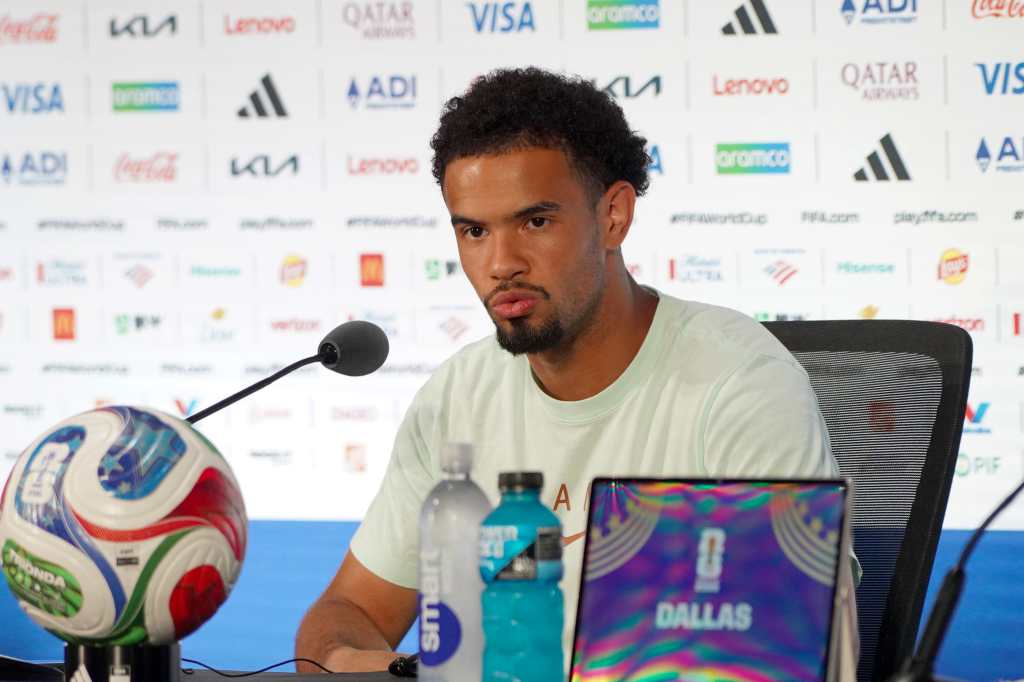
Warren Zaïre-Emery (France | 20 years)
France never stops producing midfielders.
Zaïre-Emery seems destined to be next.
During the World Cup he showed unusual maturity for a player his age.
Recover, distribute and break lines.
This profile explains why many consider that the replacement of the French midfield has already begun.
And who could join?
Every World Cup leaves players who end up exploding years later.
In 2026, names also appeared that still need to be consolidated, but who left the tournament with another international consideration.
Among them stand out:
- Kobbie Mainoo (England)
- Arda Güler (Türkiye), if he maintains his growth as an offensive driver.
- Endrick (Brazil), whose development still seems to be ahead despite the enormous expectations surrounding it.
- Assane Diao (Senegal), one of the African emergences with the greatest room for growth.
- Kenan Yıldız (Türkiye), attacker who has already shown the ability to assume responsibilities in big games.
Not everyone will arrive the same by 2030
The history of the World Cups shows that a great performance before the age of 21 does not guarantee a brilliant career. Some end up dominating the next decade.
Others disappear due to injuries, sporting decisions or simply because football rarely follows a straight line. But North America 2026 made something clear.
While Spain celebrated its second star, the next World Cup began to take shape. And several of the protagonists who could define it were already on the field.