
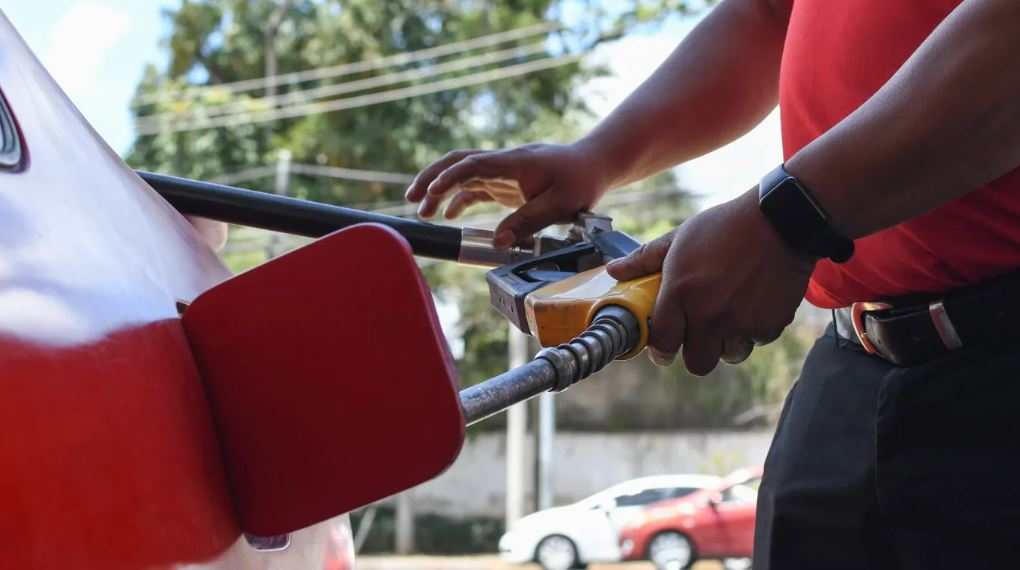
The fuel prices They rose again in Guatemala and, this is the sixth increase recorded during Julyafter the subsidy approved by the government ended on July 2.
A monitoring carried out by Free press between July 21 and 22 in service stations under the modality of self service reflects that the prices per gallon They are quoted between:
- Regular gasoline: Q40.07 to Q40.09
- Top gasoline: Q41.07 to Q41.09
- Diesel: Q42.27 to Q42.29
With this new adjustment, the diesel surpasses for the first time the Q42 per gallonwhile gasoline also continues to rise.
Although he Ministry of Energy and Mines (MEM) published its reference prices for different fuels on July 20, the values that consumers pay at service stations are higher.
Check the average reference prices in the metropolitan area, valid from July 20 to 26, 2026. #AveragePrices pic.twitter.com/tMJ0G4c8Ol
— Ministry of Energy and Mines of Guatemala (@MEMguatemala) July 20, 2026
How much have fuel prices risen since the subsidy ended?
Since July 2, fuel prices have accumulated six increases.
In less than three weeks, diesel went from selling around Q35.29 per gallon to exceed Q42which represents an increase close to Q7 per gallon.
The superior gasoline, which started the month in Q37.07now exceeds Q41while regular gasoline went from Q36.09 a little more than Q40 per gallon.

Why do fuel prices continue to increase?
The head of the Department of Economic Analysis of the General Directorate of Hydrocarbons of the MEM, Heydy Godineshe explained on Saturday to Free press that the behavior of prices responds to the international market.
According to Godínes, since the beginning of July refined fuels have registered increases due to the deterioration of the geopolitical environment in the Middle East, the increase in risks to global supply, new air attacks by the United States and the temporary suspension of negotiations between the United States and Iran.
For his part, the president of the Union of Fuel Distributors, Enrique Melendezexplained to Free press that the price consumers pay does not depend solely on the international price of oil.
Although in early July the conflict in the Middle East showed signs of stabilization after the ceasefire between the United States and Iran, fuel prices in Guatemala continued to rise. According to Meléndez, these changes in the international scenario are not immediately reflected in the price that consumers pay for gasoline and diesel.
Furthermore, he explained that Guatemala imports refined fuels, not crude oil, and that since the Covid-19 pandemic, global refining capacity has been reduced, which has raised the production costs of these derivatives.
“There may be an abundance of oil, but if refining capacity is limited, refining costs increase and that ends up being reflected in the price of gasoline and diesel,” he noted.
The sector representative added that, for this reason, even when oil registers declines in international markets, refined fuels can maintain an upward trend due to the availability of refineries and the cost of the refining process.