
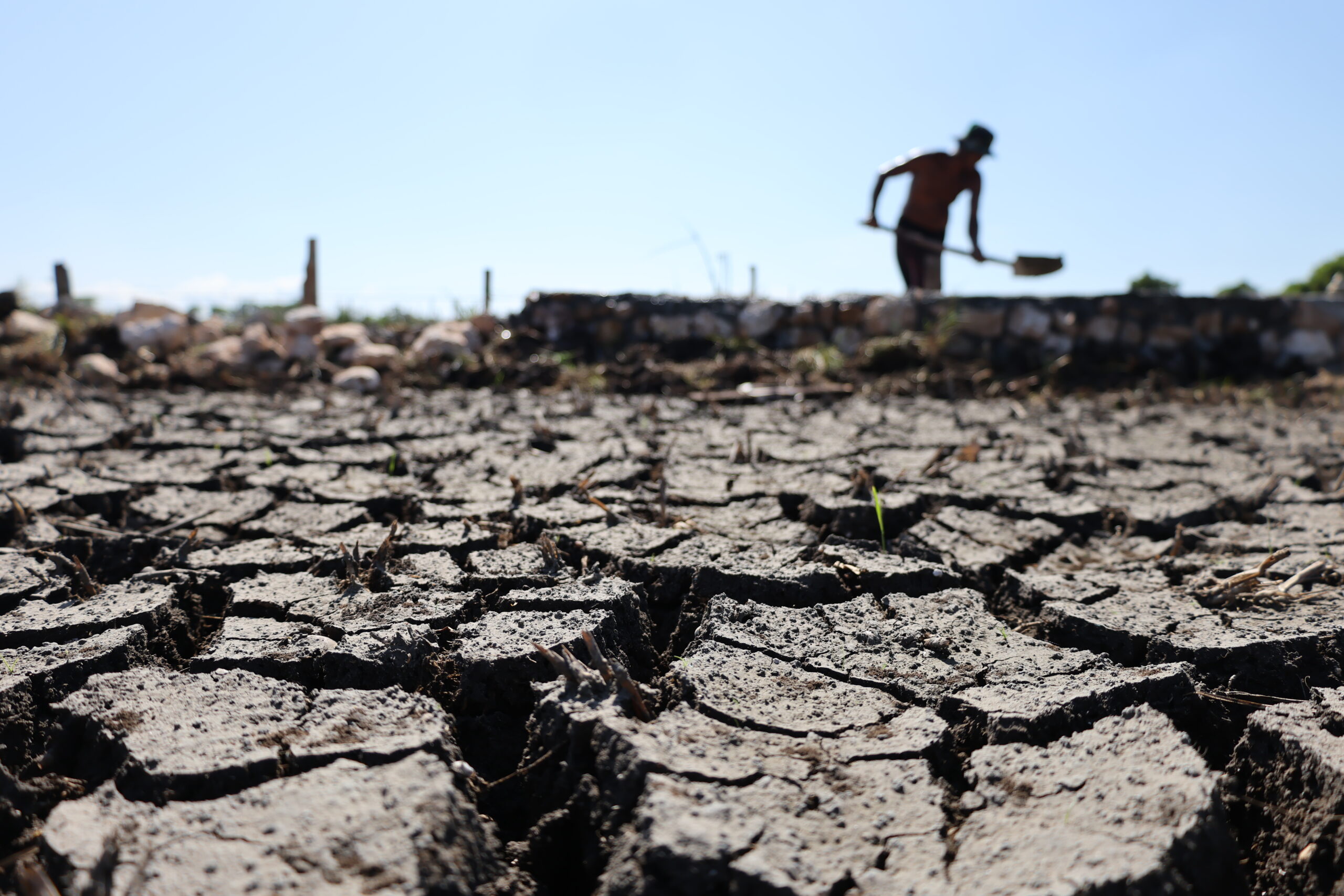
The El Niño phenomenon, which is currently developing in the Pacific Ocean, is shaping up to be the most intense recorded in at least 150 years, according to different researchers cited by the magazine. Nature.
If the most extreme forecasts are confirmed, the combination of heat released by the ocean and global warming of human origin could make 2027 the hottest year on record, in addition to intensifying extreme climate phenomena in different regions of the planet.
Berkeley Earth climate scientist Zeke Hausfather explained to the magazine Nature that, according to a set of projections based on climate models, the peak of this episode would exceed the previous record by a considerable margin.
According to Naturethe specialist even pointed out that it is not ruled out that the sum of El Niño and climate change will raise the average global temperature in 2027 to 1.7 degrees Celsius above the pre-industrial level, which would place the planet on the edge of the 1.5 degree threshold that governments committed to avoid through the Paris Agreement.
As explained by the magazine, El Niño is the warm phase of a natural pattern known as ENSO (El Niño-Southern Oscillation), which historically alternates between warm and cold episodes every two to seven years. According to the same publication, the current one began to appear in June, after different meteorological organizations already anticipated a phenomenon of great magnitude.
Increasingly firmer forecasts
According to data cited by Naturethe US National Oceanic and Atmospheric Administration (NOAA) estimated a four in five chance that a “very strong” episode will develop before the end of the year, with almost complete certainty that El Niño conditions will persist until at least April 2027.
Michelle L’Heureux, a meteorologist who leads the ENSO prediction team at NOAA, told Nature that all the indicators of a very intense coupling between the atmosphere and the ocean are currently observed in the equatorial Pacific.
A change in the weather pattern?
Despite the magnitude of the phenomenon, specialists cited by the magazine stressed that this episode is probably not the most intense that has occurred in the history of the planet if the long-term climate record is analyzed.
Paleoclimatologist Kaustubh Thirumalai of the University of Arizona pointed out Nature that the evidence obtained from corals points to an even more intense phenomenon, possibly occurring in the 17th century, although he acknowledged that it is difficult to establish it with certainty.
According to the same publication, for Thirumalai the relevance of the current episode lies not only in its projected magnitude, but in the possibility that it represents a systematic change in the behavior of the ENSO cycle, potentially influenced by climate change of human origin.
What’s coming
According to Natureexperts agree that the greatest impact of this El Niño on global temperatures will only be felt in 2027, a pattern similar to that observed in the episodes of 1997-98, 2015-16 and 2023-24, in which the year following the development of the phenomenon ended up surpassing temperature records.
According to Carbon Brief projections, released by Meteored, the 2020s could close with new global heat records in 2023, 2024 and 2027, and possibly also in 2026.