
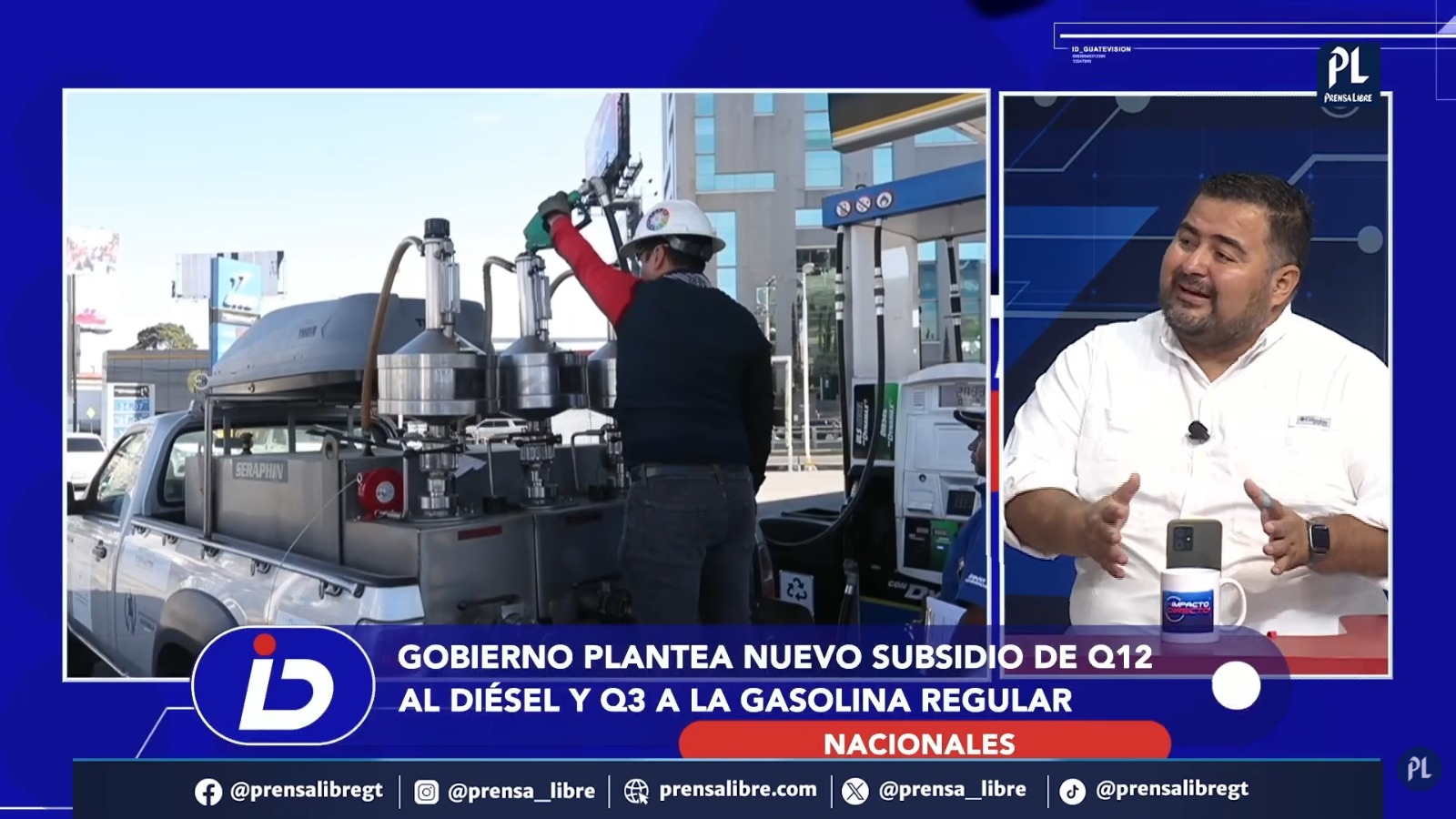
The new subsidy proposed by the Government to reduce the price of fuel once again divided opinions. While some consider it an immediate relief for consumers, others maintain that it only transfers the cost to public finances and postpones the search for fundamental solutions to face the constant increase in prices.
The measure also revived the discussion about the impact it would have on the State budget, the effectiveness of this type of temporary support and alternatives to reduce the cost of fuel without resorting again to subsidies financed with public resources.
The topic was analyzed during the program Direct Impactof Guatevisionwhere the Executive’s proposal to subsidize diesel and regular gasoline was addressed, the protests registered this Friday due to the increase in fuel prices, the demands of transporters and the doubts about whether the subsidy represents a sustainable solution or only a temporary measure.
Subsidy or tax reduction
During the analysis, one of the main questions was that the subsidy does not eliminate the cost of fuel, but rather changes the way in which it is financed.
The panelists pointed out that the consumer may perceive relief when stocking up; However, they stated that these resources ultimately come from the taxes collected by the State.
They also proposed that a temporary reduction of some taxes applied to fuels could represent a more direct benefit for users, instead of resorting to a subsidy again.
In that context, They warned that the problem of fuel prices It is structural and that the country needs to promote greater competition in the market and investments that allow reducing costs in the long term.
Protests and lawsuits
The program also followed up on the demonstrations recorded this Friday in different parts of the department of Guatemala.
In Villa Hermosa, groups of protesters blocked several routes to demand action against the increase in fuel prices, which caused complications for hundreds of motorists and public transportation users.
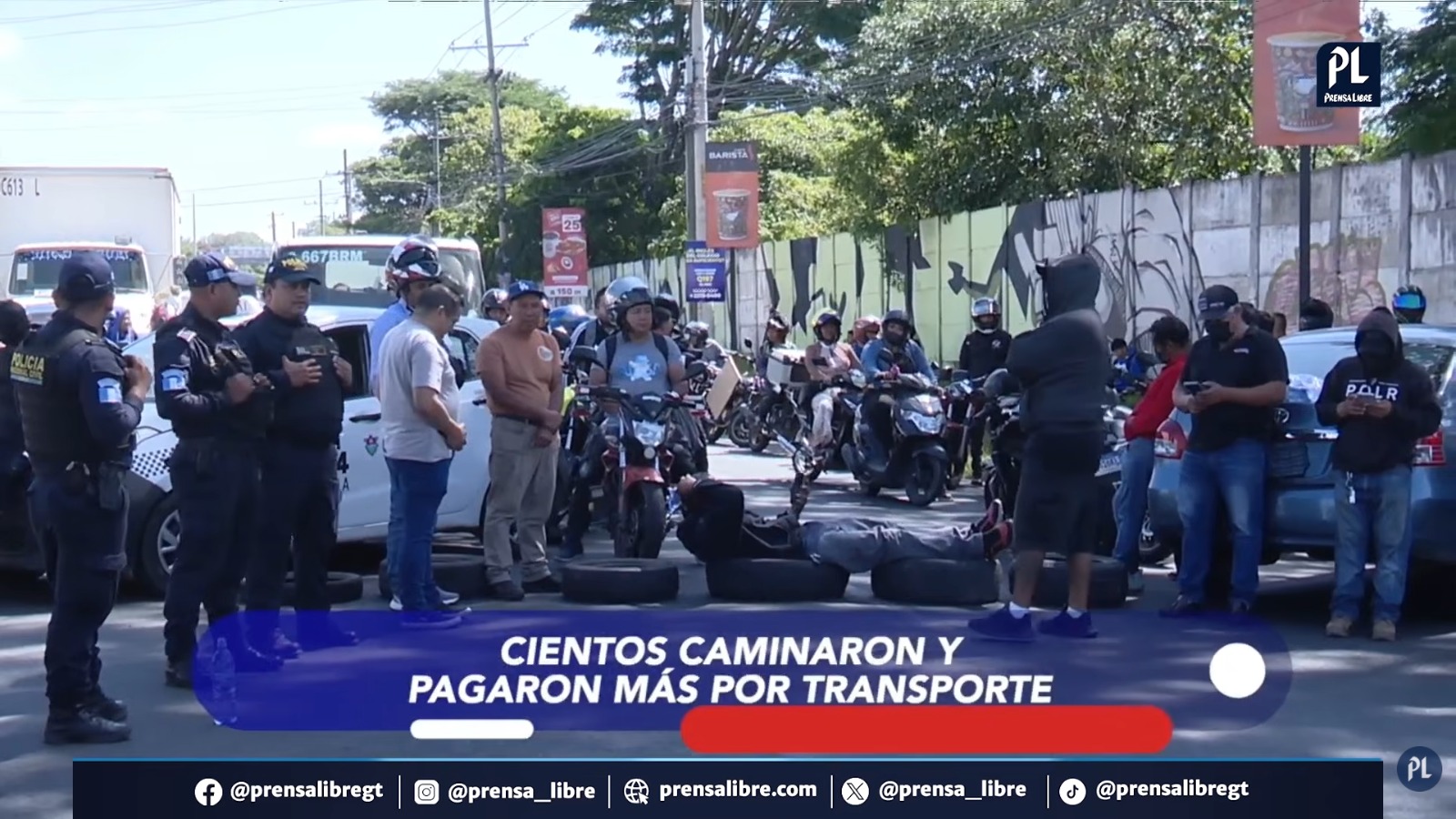
During the coverage, several citizens expressed their dissatisfaction with the effects of the blockades, while, hours later, the protesters removed the obstacles after talking with the authorities and the passage was restored.
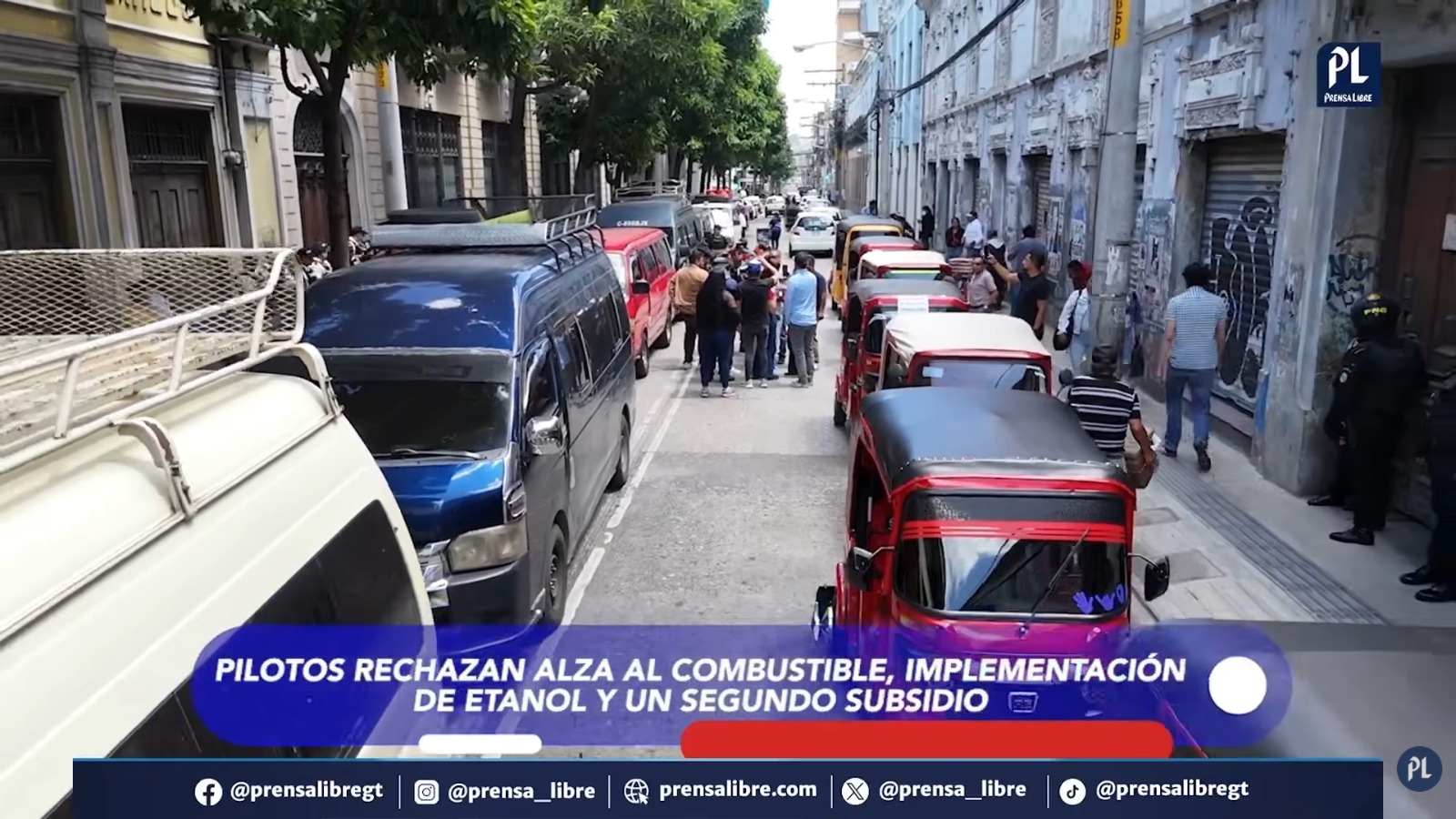
In parallel, taxi, minibus and motorcycle taxi drivers carried out a caravan to the Congress of the Republic to deliver a memorial in which they rejected a new subsidy.
The transporters reiterated that the alternative should be the reduction of taxes on fuel and warned that they will continue with peaceful demonstrations if they do not receive a response to their demands.
A temporary measure
During the debate, the president’s announcement was also analyzed Bernardo Arévalo to promote a subsidy Q12 per gallon of diesel and Q3 per gallon of regular gasolinean initiative that must be known by the Congress of the Republic.
The panelists agreed that the proposal seeks to mitigate the immediate impact of the increase in prices; However, they expressed doubts about its scope because it would have a limited validity and would not resolve the causes that cause the constant increases in fuel prices.
Likewise, they pointed out that a difference persists between the demands of the sectors that demand to reduce the tax burden applied to fuels and the response proposed by the Executive, focused again on a temporary subsidy.
The analysis concluded that the debate on fuels will continue as long as long-term measures are not implemented that reduce dependence on subsidies and allow the variations in the international market to be faced with greater stability.
*Stay up to date with the Now newsletter. Key information at the moment it happens. Subscribe here.