
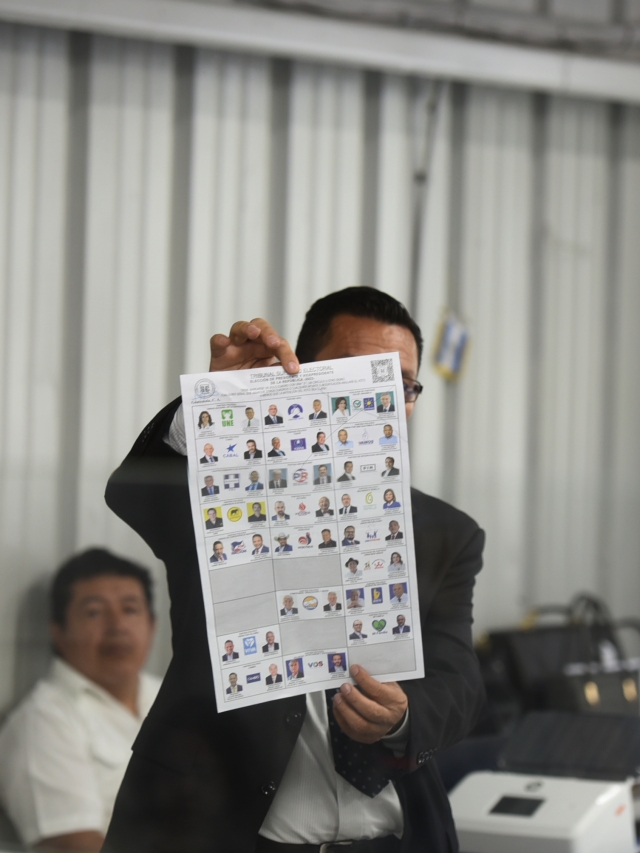
Migrants interested in casting their vote in the next presidential elections could do so remotely, in accordance with the changes approved by the plenary session of magistrates of the Supreme Electoral Tribunal (TSE).
Agreement 242-2026, published in the official gazette, communicates a series of reforms to the Voting Abroad Regulations that open the possibility of electronic voting for migrants.
Organizations in favor of compatriots explained during the last Electoral Update and Modernization Commission (CAME) and in meetings with the TSE, the need to change the voting modality.
One of the arguments to promote changes is based on the great distances and mobility complications that a migrant has to cast their vote in person, in addition to the exposure it entails to possible immigration controls.
In the previous regulation, the TSE provided for in-person voting abroad, but the recent changes open the possibility of updating the electoral scheme.
Now the modality of voting is extended “in accordance with the human, technological, logistical, budgetary and financial resources available”, according to article 11 of the Regulations on Voting Abroad.
Previously, the only valid document to cast a vote abroad was the Personal Identification Document (DPI). Under the regulations published today, it can be replaced with the current passport.
The TSE will also implement a verification and registration system that seeks to guarantee that migrants cast a single vote. The way in which it will be regulated will be defined by a future agreement or provision that the plenary session of the TSE considers.