
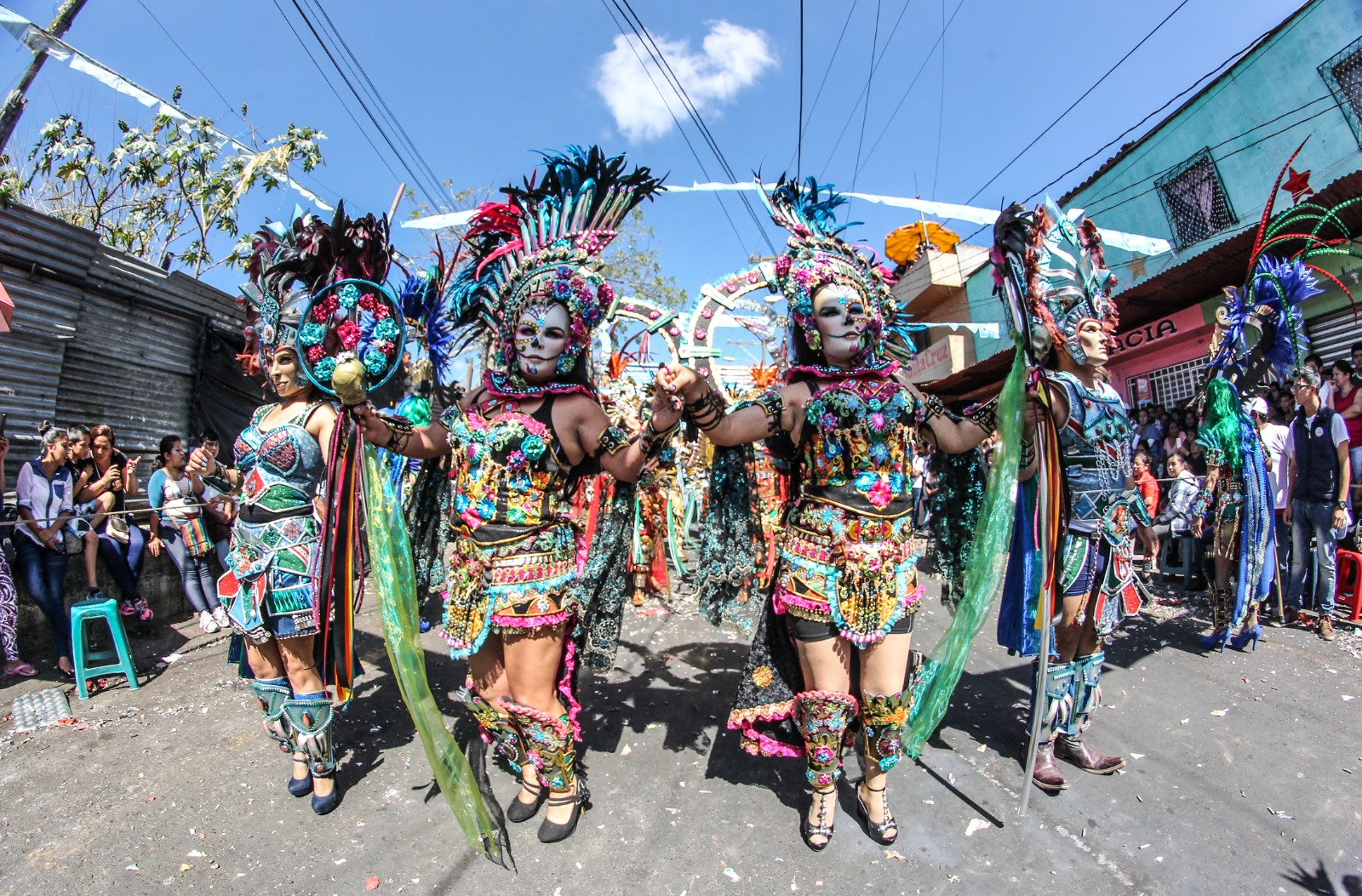
On each patron saint’s day, the various entertainment groups in Guatemala bring joy, color and dance to the streets of the different municipalities, in an event that has become part of the country’s culture and tradition.
Committees, groups and dancers from the various groups are responsible for maintaining these traditions. Whether with traditional treats, botargas, warriors, Mayan clothing or other styles, they carry these artistic expressions, which are part of the Intangible Cultural Heritage of the Nation.
To celebrate this legacy, the second Meeting of Conviteros will be held in Guatemala City on September 27, 2026, when various groups will bring the rhythm of the dance to the Paseo de la Sexta.
Many of these groups combine the local religious celebration with carnival elements, highlights the Ministry of Culture and Sports (MCD), a tradition that has been strengthened over time in various municipalities. But how did the treats originate in the country?
The historian Fernando Urquizu highlights that the word convite comes from the action of inviting and that it was established in the context of announcing the proximity of the patron saint’s festivities and even marking the route of the processions.
Its origin dates back to the period of Spanish domination, when Catholicism was established as a way of life and these manifestations emerged, which acquired great roots in the territory. This led to a parade or invitation being held in the localities eight days before the procession to announce its arrival, mark the route and remind the neighbors that they should decorate the front of their homes, highlights the historian.
Since then, the invitations were established as an announcement of coexistence during the patron saint’s festivities. Urquizu highlights that the context of the treat was related to the ancient processions that passed through the streets while the mysteries were prayed, according to the saint to whom the festival was dedicated.
Treats travel through the streets of the various municipalities of Guatemala to celebrate the patron saint’s festivities. (Free Press Photo: Kenneth Cruz)
This context led the invitations to become a prelude to announce that union, remind the neighbors of the proximity of the festival and even mark the houses where the altars would be raised. The historian highlights that they were also spaces for coexistence, since traditional meals were shared in each home.
The MCD highlights that its origin dates back to the colonial era with the mojigangas of Europe, although it is believed that it was between the 17th and 18th centuries when this festival arrived in Central America.
The portfolio highlights that the invitations are linked to Corpus Christi and the Immaculate Conception of the Virgin Mary and that, in the beginning, the participants dressed up with masks and costumes inspired by traditional dances.
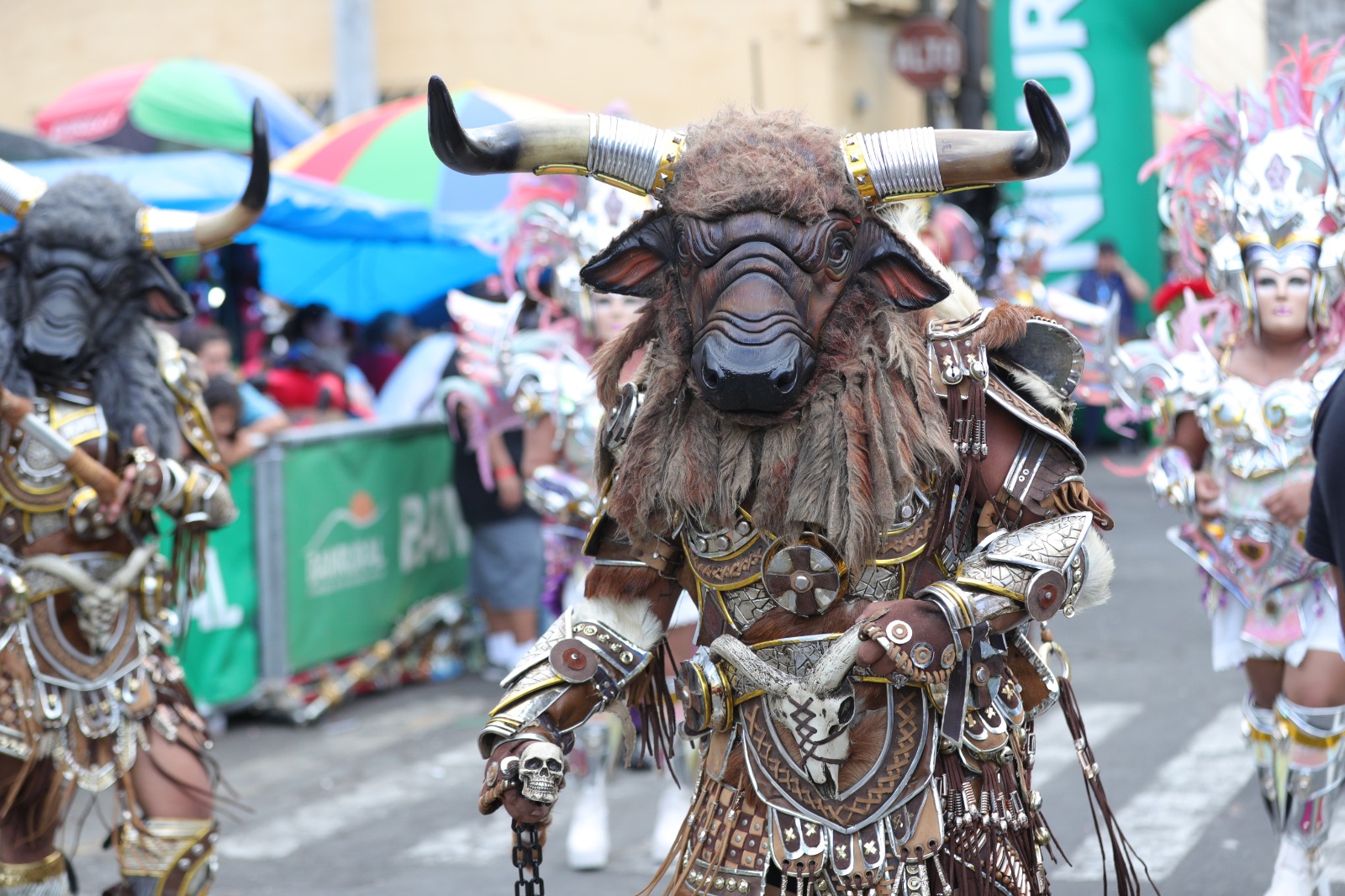
The suits have evolved over time not only in their materials, but also in designs and technology. (Free Press Photo: Kenneth Cruz)
Transformation of the invitations
Over time, the invitations have evolved from the traditional context of announcing the patron saint’s festivities to parades in which other elements typical of the culture of the municipalities, which are not necessarily religious, have been incorporated. “These invitations usually featured not only dance performances, but also theatrical performances, whose function was to represent the triumph of good over evil. They were not simply tours of dancing characters,” highlights Fernando Urquizu.
Urquizu adds that, currently, characters from television have been incorporated into the parades of masks, fieros and botargas, who mix with figures from the oral tradition of Guatemala.
Nowadays, these invitations have been transformed into complex artistic expressions that integrate choreography, music, a more elaborate preparation of costumes and elements specific to each region, which gives them a unique character.
“Naturally, the evolution of the treat is going to truly reflect what Guatemalan culture is,” he adds.
He explains that this legacy has evolved from masks inlaid with silver, gold and precious stones to wooden masks and, later, those that incorporate electronic elements, showing the evolution of this expression.
For its part, the Ministry of Culture highlights in one of its notes from October 2025 that currently, “the historical, social and artistic value of this tradition has led to the official recognition of ten treats as Intangible Cultural Heritage of the Nation” which show that these artistic expressions have taken on importance in the tradition, legacy and culture of the country.
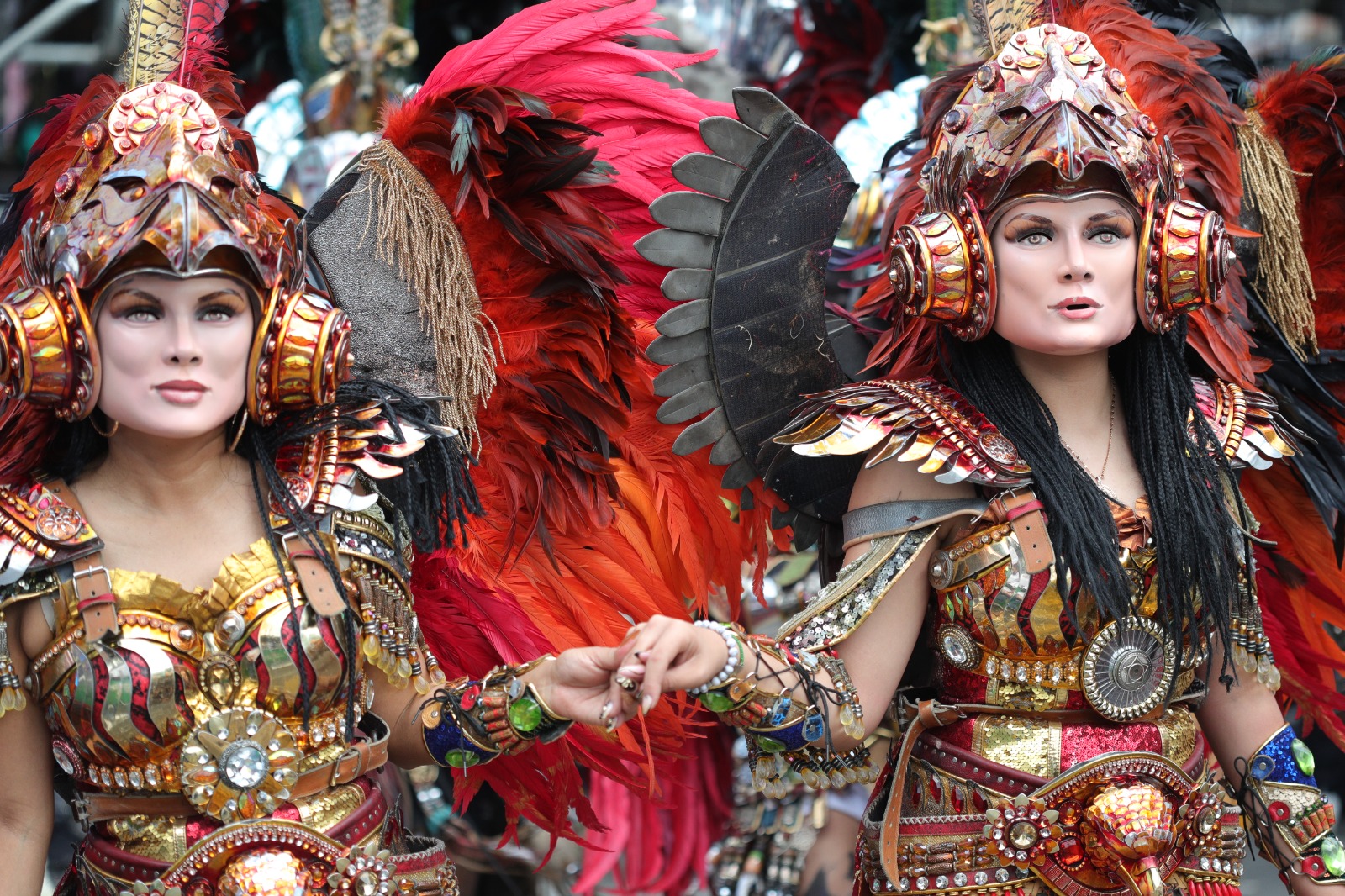
Currently in Guatemala, these invitations are recognized as artistic and cultural expressions beyond the religious context with which they emerged. (Free Press Photo: Kenneth Cruz)