

In 2014, the Nescafé Plan was implemented and to date, it has worked tirelessly to empower Honduran coffee growers, providing them with the necessary tools and support to transform their ideas into specific realities.
Nestlé is the main green coffee buyer in the world. Currently, he acquires coffee from all the countries of Central America and has delivered ray resistant coffee plants in Honduras, Guatemala, Nicaragua and El Salvador, in order to contribute to this sector in the region.
Through the Nestlé Institute of Agricultural Sciences, together with the Salvadoran del Café Institute, the Borlaug Institute of Texas A&M University, the National Union of Exporters and the Association of Castors of El Salvador (Ascafe), evaluated in the field new varieties of coffee developed by Nestlé, hybrids of ethiopian and typical origin, which have been validated in different agroecological areas of El Salvador.
The Honduran coffee sector has become the sixth coffee producer in the world, the first in Central America and third in Latin America. This item represents 35% of agricultural GDP and 5% of total GDP; helping approximately 110 thousand families that depend on the country’s coffee growing.
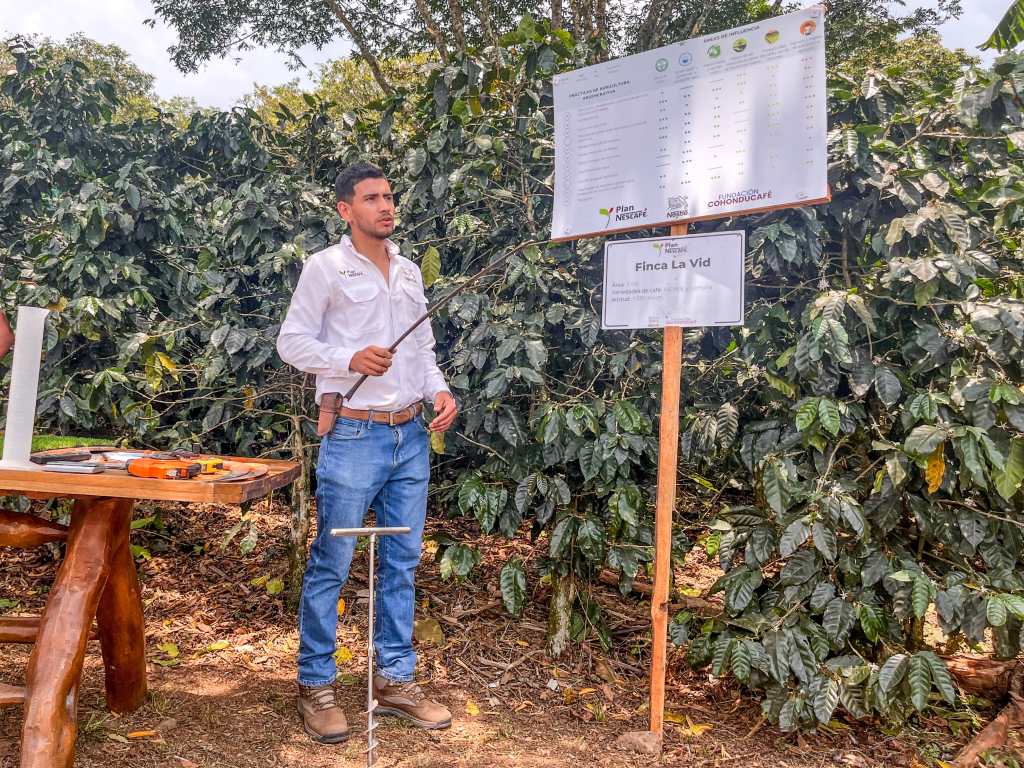
Coffee work through the Nescafé 2030 Plan and the Nestlé Nespresso AAA Sustainable quality program, seeks to promote a transition towards regenerative agriculture practices in the coffee sector, as well as to increase the productivity and income of the producer and under this context, Nestlé drives the entire coffee value chain. At the end of 2025, the objective is to achieve 100% of responsible coffee supply and 20% of farms supply with regenerative agriculture practices.
Nescafé Plan has the following initiatives:
The young coffee growers and the mobile classroom
It began in 2019, to improve the skills and knowledge of young people in coffee production to improve their skills and knowledge in coffee production, contribute to mitigate migration, support youth employability and contribute to reduce the digital gap in rural areas.
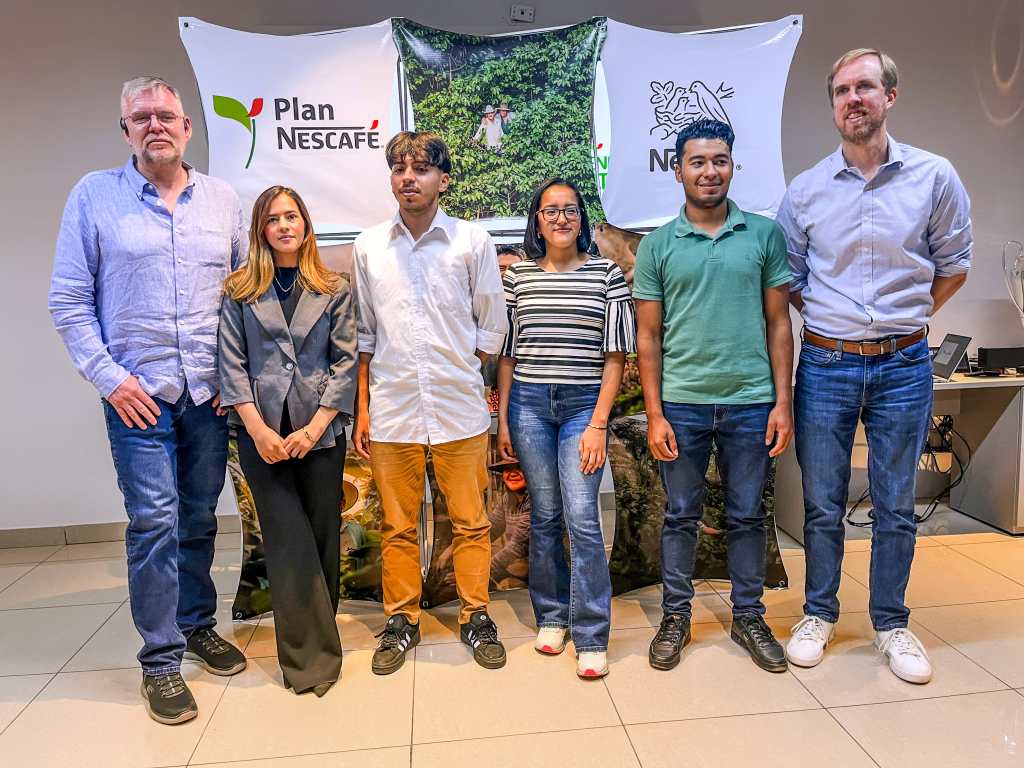
Since 2020, virtual courses are carried out that are complemented with face -to -face practices through the mobile classroom, the first and only vehicle built in Honduras that travels providing training in green coffee, cating and barism in the field to generate high impact in learning, more than 35,859 people have participated in coffee and agriculture courses.
The Tomorrow Forest Project
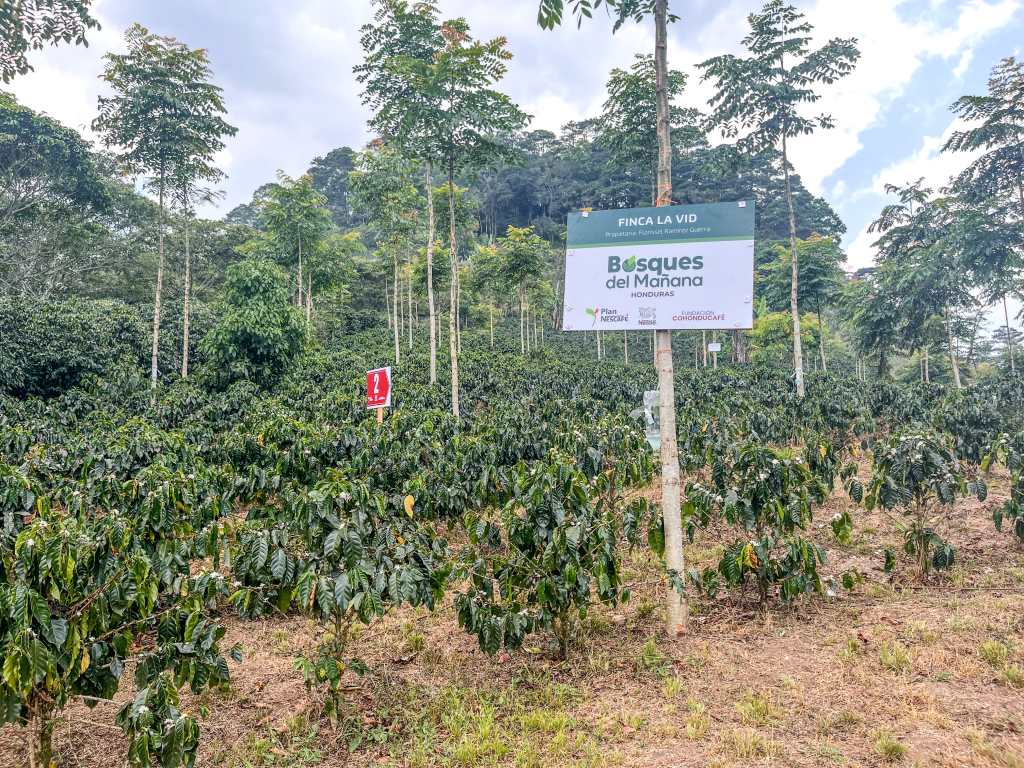
It is part of the Nestlé global reforestation program and the company’s Forest Positive Strategy to add the goal of being zero net emissions in its value chain for 2050. The reforestation plan seeks to transform coffee farms, with agroforestry systems; Since, when planting trees in the farms, we not only help mitigate climate change, we protect the soil, we improve the quality of coffee and the life of the communities.
Pilar de Agriculture Regenerative
In Honduras they have provided 1,500 solar dryers installed in coffee farms to improve the drying, quality and value of the grain; Technical assistance to more than 6,287 producers who are adopting regenerative agriculture practices at the end of 2024.
Gender equity pillar and improvement of working conditions
Together with the non -profit organization Swisscontact, Nestlé seeks to develop a training program for 5,500 young coffee producers on future trends and new European regulations; focusing on women’s empowerment. Through the Cohonducafé Foundation they have also carried out training sessions on female leadership and business planning.