

Options such as a pool, fans, air conditioning devices, fans or simply a cold drink and sandals are listed in the minds of the Guatemalans, trying to dodge the hottest hours that come with the summer season. March and April are the hot months in the country, which ends with the arrival of the first rains, in May, according to César George, of the National Institute of Seismology, Volcanology, Meteorology and Hydrology (Insivumeh).
For this year, according to the forecast, the extreme temperatures will be less than those registered in 2023/2024, which were high because of the anomaly in the Atlantic and the Caribbean, explains the meteorologist, remembering that in Zacapa the 44 degrees Celsius were then exceeded in Zacapa. The anomaly, according to George, consisted of an increase of 1.4 and 1.6 degrees in the ocean, but last December began to descend to reach between 0.8 and 0.7 degrees, which anticipates, for now, that there will be no such extreme temperatures.
In addition, rains have been recorded, mainly in the north of the country, which, at George’s discretion, favors the lower incidence of forest fires that arise in the dry season. According to the prognosis of Insivumeh for this month, in the East region and some places of Petén the heat intensity could reach between 40 and 42 degrees, and in the capital the maximum temperatures would range between 30 and 32 degrees.
Alert to fire
The forest fire season goes from July to June, between one year and another, but according to the National Council of Protected Areas (CONAP), the dry months have risk factors. In the 2024/2025 season, from the second half of March until the first two weeks of April the highest temperatures are expected; However, the trend we see is “an average year, with a low number of small fires. Much of the coverage of the use of the Earth has plant material that is wet and that gives a lower probability of fire, ”he adds.
From December until the end of February, 189 small fires were reported, while about 500 were recorded in the same period of the previous season, says Contreras. According to Conap’s expert, in Guatemala it is rare that a fire occurs due to natural causes, most are caused by human action, be it an oversight or illegal acts in activities such as carboneras, hunting and talas.
As for agricultural rubs or burns, people must obtain the corresponding permits for this, and when a bonfire is turned on in the field, the fire should never be left without supervision, since it starts to turn it out, Contreras recalled. Juan Laureano, spokesman for the National Coordinator for Disaster Reduction (Conred), said that in the previous season two thousand 635 fires occurred, of which 480 were non -forestry; that is, in landfills and properties, among others. This situation affected almost 194 thousand hectares, mainly in forest areas.
The Conred Monitoran units, from a platform that manages the National Forest Institute (INAB), heat points in the national territory, which allows attention to the areas that may present greater risks. “Emergencies do not warn and the climatic condition, even if they have forecasts, can be unpredictable,” says Laureano.
In the dry corridor, Petén and El Sur, Suchitepéquez and Retalhuleu are the ones that present the most fire cases, including in Guatemala, according to Conred.
The previous year, 80% of the fires was caused and 20% had causes derived from high temperature, among others. Given this, the authorities file complaints in the Public Ministry (MP) and those responsible can be sanctioned and sent to prison for up to 15 years, in case of recidivism.
The Executive Secretariat of Conred (SE-CONRED) has trained personnel in fire control and combat, and recommends that the inhabitants in the management of fires and agricultural burning. When observing a fire in parks, forest areas or ravines, it suggests alerting the technicians for line 119 or going to a nearby fire station, so that they can attend it. The ideal is to be attentive and notify these emergencies, to avoid serious damage such as loss of wooded areas and fauna.
Freshness at home
The Holy Week period will be from April 13 to 20, during which the processional courtships are enjoyed and traditional. However, regardless of what plans for this season are, experts present suggestions to avoid unforeseen during the summer. Taking care of the pocket is always important, so keeping the bill of electricity down is a challenge when it comes to heating the house to cope with heat hours. Most families choose to place fans in the main areas of the house, instead of an air conditioning system, which consumes greater energy.
According to the Guatemala electricity company, SA (EEGSA), with the increase in temperatures, the use of these devices increases considerably. Given this, users can ask for information about the energy consumption that the company refers to and opt for the option they find more convenient for their spaces and budget. In the market you can find different models, if what is sought is a device to refresh the house environments. It is important to consider that the power of a fan can vary between 15 and 100 watts per hour, depending on the size and type – tower, foot or ceiling – while the air conditioning can vary from 800 to 4,100 watts per hour.
The lower power fans are those that are installed on the roof, which register between 50 and 70 watts; The standing ones have, on average, 90 watts; and the largest models of Torre’s designs, up to 100 watts. To calculate consumption, EEGSA explains that the power is multiplied by the hours of use. A 50 watts fan used for six hours, would consume about 0.3 kilowatts/hour a day.
Of at least five air conditioning systems, those of lower power are the Split models, and, on the contrary, there are laptops and centralized. According to the EEGSA, to cool a room of up to 30 square meters, an apparatus of 12 thousand British thermal units (BTU) would be needed, and for the calculation of consumption it is important to take into account that the weather, the efficiency of the device, the adjustment of the thermostat and the size of the space influence the energy expenditure during its operation.
Much of the coverage of the use of the Earth has plant material that is wet and that gives a lower likely of fire.
Each BTU is equivalent to 0.2931 Watts, so 12 thousand Btu would be 3.52 kilowatts/hour. If the above options are not the most convenient, there are suggestions to improve ventilation at home. One of the first is to open the windows in the early hours of the morning and at night, to air the rooms. It is also preferable to minimize the use of lights and maintain plants inside, balconies or gardens that help refresh the environment. In specialized sites plants such as ficus, aloe, cradle of Moses, Sansevieria, Boston Fern —Colas -, Loño de Amor and La Palmera Areca are suggested. These, in addition to absorbing heat, contribute to purifying the environment and require basic care to maintain.
Skin and care
If the idea for holidays is to go out to give short walks around the residence zone, to dodge the places with a lot of influx and long hours of traffic, Patricia Mayén, head of pediatric dermatology of the General San Juan de Dios Hospital and Clinderaler recommends not forgetting to apply sunscreen with a 50+ factor. All people, including children, from six months, must cover the skin with sunscreen, either inside the house, outdoors or at the beach, he adds, explaining that ultraviolet radiation (UV) reaches high levels, which predisposes to skin damage, which, in severe cases, can reach diseases such as cancer, even melanoma.
The UV index measures radiation levels on a one 11+ scale; That is, from low to extreme. The World Health Organization (WHO) indicates that these values vary throughout the day, as well as depending on the geographical location. That is why he recommends national and local authorities, and tourism industry companies, publishing the rates and sun protection measures.
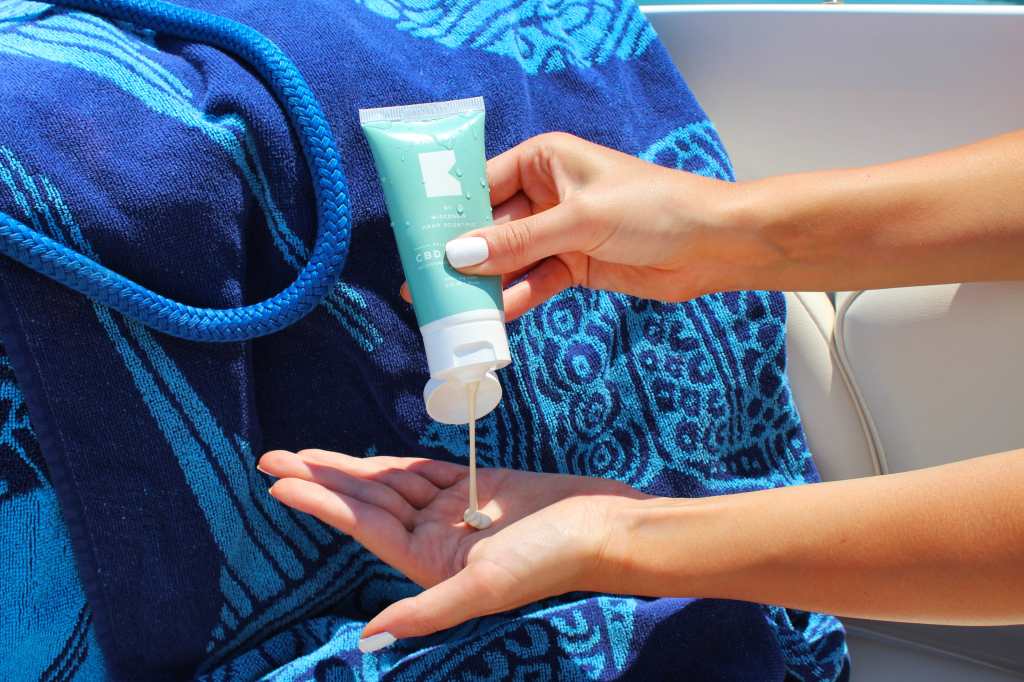
The dermatologist indicates that the sunscreen is applied daily, every four hours, but if the person is on a beach or pool, it must put it every two or more, if necessary. For children under six months, they suggest that they remain in shadow areas and are covered with wide -winged hats. The auspicious schedule for a walk is when UV levels are low, and always applying sunscreen. If possible, wearing clothing with UV protection, a special tissue to cover body parts that are exposed to the sun, says Mayén.
Of these garments they exist from t -shirts to easy -to -find swimsuits, both for adults and for children. George adds that, Puerto Barrios, Petén, the east of the country and the cross -section of the north are places where the temperature exceeds 38 degrees, which represents a lot of danger for those who work in the field, due to UV radiation.
The recommended thing for the entire population is to avoid exposing themselves to the sun from 10 am to 3 or 4 in the afternoon, according to experts. In addition, it is important to drink pure water to stay hydrated and that this condition is reflected in the skin, as well as using dark lenses or for the sun, to take care of the health of the eyes.
Do not forget pets
There are dog breeds that, due to their characteristics, support less heat. For example, a Siberian Husky or the Pocket, who can feel a “heat stroke,” explains Claudia López, representative of Infopets. It is preferable to get pets walking at the schedules of less exposure to the sun; That is, in the morning or at the end of the afternoon, and at home maintain fresh water sources so they can drink, he says.

“The ideal is not to leave them in terraces and places where they directly receive the sun. Pets should be protected from heat, ”he says, by proposing, even preparing cold gums or small iced ice cream. Following these basic suggestions, it is possible to enjoy the summer without suffering the intense heat. It is a season to remember that relief bodies, health personnel, hotel and restaurants, carriers and other workers are on alert to provide services and serve emergencies.