

Scenery
Strips in the Huipil of the Mayan clothing suit of San Miguel Chicaj, Baja Verapaz, which is part of the “Mayan textile tradition” series, represent the snake, an important symbol in the Mayan worldview.
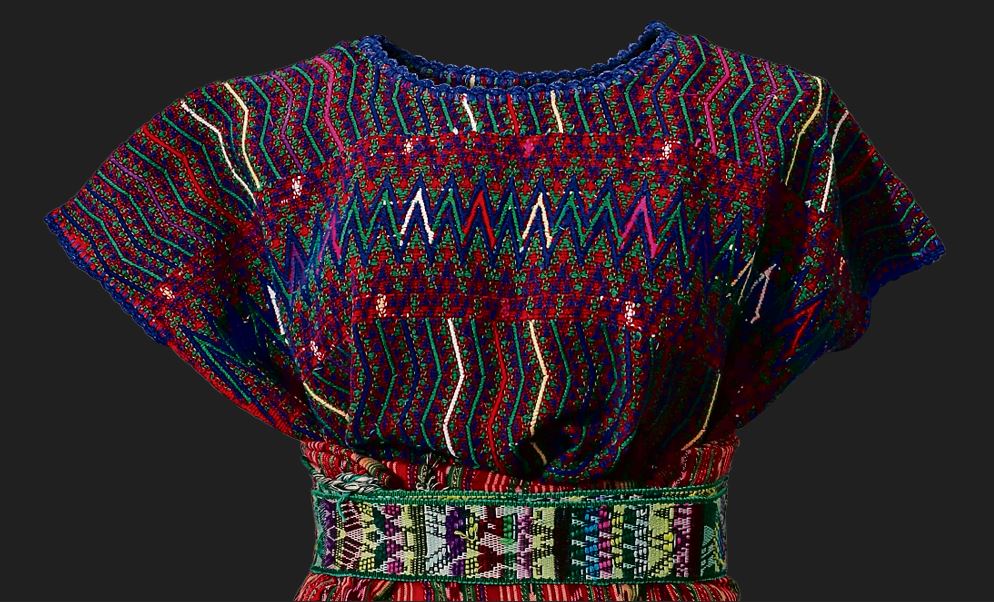
Strips in the Huipil of the Mayan clothing suit of San Miguel Chicaj, Baja Verapaz, represent the snake, an important symbol in the Mayan worldview. (Photo Press Libre, Juan Diego González)
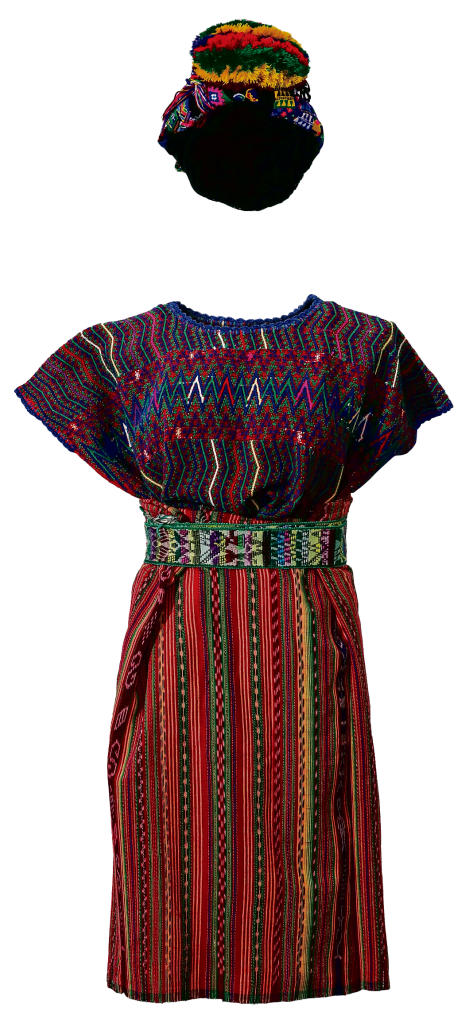
The huipil of this suit It is made with two canvases with mercerized cotton, Waist loom fabrics. His neck has a crochet finishes, in a scallop way, known as Conchitas.
The cut is woven in looming and is characterized by horizontal or plot stripes, of different thicknesses, and in red and orange tones, Combined with sections made with the dye technique in reserve known as Jaspe.
The girdle, waist wag, and the head ribbon, in tape loom, complement the outfit.
Design
- Linguistic community: Achí
- Daily use suit
Related readings


Related readings

The huipil has stripes of two styles of arc -shaped geometric figures, a strip horizontally and more closed, Associated with the representation of the snake, an important symbol in the Mayan worldview. The second strip, arranged vertically, is linked to rays and storm, according to some weavers in the region.
This is one of the costumes that belong to The collection of IXCHEL Museum of the indigenous suit, whose support for the publication of this series is fundamental, especially that of its director and curator, Violeta Gutiérrez.
- The information on Mayan clothing costumes presented in this space depends on the temporality and context of the documents and people consulted by the Ixchel Museum.
- In the Mayan textile tradition, elements such as trends in each community influence the personal taste of the bearers and creators of this tradition. In some cases, the data is scarce or vague.