

Health and family
Until now, there is no way to prevent Parkinson’s disease. However, there are early signs to notice this disease and care that we can adopt to reduce the risks of suffering from it.
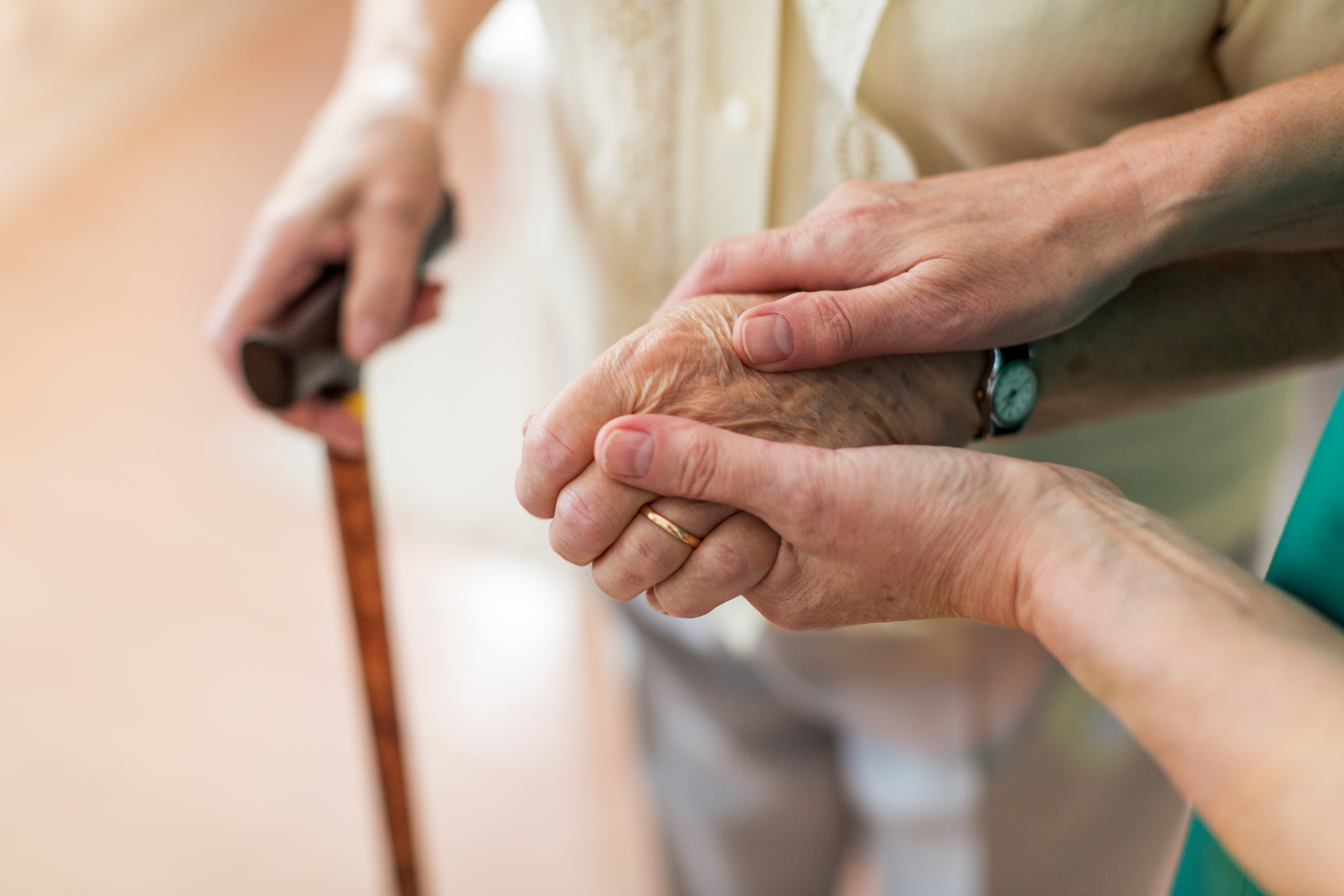
Parkinson’s is a disease that has no cure and there is no way to prevent it. (Free Press Photo: Shuttersock)
According to the World Health Organization (WHO), Parkinson’s disease It is a brain condition that causes movement disorders, mental and of sleep, pain and other health problems.
One of its characteristics is that it worsens over time. Although there is no cure, there are treatments and medications that can help reduce symptoms.
Some common symptoms are tremors, painful muscle contractions and the difficulty in speaking.
Christian Ruiz Murillo, a geriatrician, explains that today “it is not possible to prevent Parkinson’s disease, mainly because it is not known, for sure what causes it.” So far there are only hypothesis that they could mediate genetic or environmental factors.
There are some habits that make a person much more vulnerable to suffering from this disease. According to the specialist, these are predisposing factors. Among them we can mention:
- Age, since at older age risk
- Family history
- Genetic alterations
- Environmental Exhibition
- Diseases such as: obesity, diabetes, dyslipipemia, arterial hypertension, metabolic syndrome
- Low levels of vitamin D
How to prevent?
It is important to emphasize that there is no form or formula to prevent this disease.
“The explanation of this is that, being a neurodegenerative disease, it is suspected of it once the symptoms have been initiated, which means that there is already a cerebral damage in the production of a neurotransmitter called dopamine,” explains Ruiz.
However, according to the specialist in general terms there are some signals that we can detect to warn the appearance of this disease as soon as possible. These are:
- Appearance of tremors: Most people associate Parkinson’s disease are tremors, especially in arms and hands, Ruiz explains. However, it is important to clarify that not every tremor is associated with that disease.
- Rigidity: It is a rigidity that affects a large part of the body muscles. It manifests with a constant tension in the muscles, even being at rest. This rigidity can affect any part of the body, including arms, legs and trunk.
- Tremors being at rest: One of the signals is the involuntary tremor in affected areas when the person is at rest. Although it is a common signal of Parkinson’s disease, but it can also be present in others neurological disorders
- Acinesia: It refers to having serious difficulties to start some voluntary movement. That is due to the loss of neurons that produce dopamine, a crucial neurotransmitter for the coordination of the movement.
- Dysphagia: It refers to the difficulty of swallowing food, liquids or saliva. It is one of the most common symptoms of this disease and is because it affects the muscles, reflexes and feeling in the throat.
Recommendations to reduce risk
According to Ruiz, the main recommendation for those who fear to suffer from this disease and seek to reduce the risk is to work on the factors that are modifiable and that can help to have a better physical and mental condition.
These include:
- Have a healthy eating
- Perform physical exercise for the strengthening of muscle mass
- In case of already suffering from a disease such as high pressure, diabetes, dyslipidemia, among others, it is recommended that they are controlled or compensated
- Improve sleep and rest quality conditions
- Faced with any questions with your trusted doctor