

Scenery
The huipil of the Zunil’s suit, Quetzaltenango, which is part of the “Mayan textile tradition” series, is made with two canvases woven waist waist, for which multicolored stripe blocks are made in the warp.
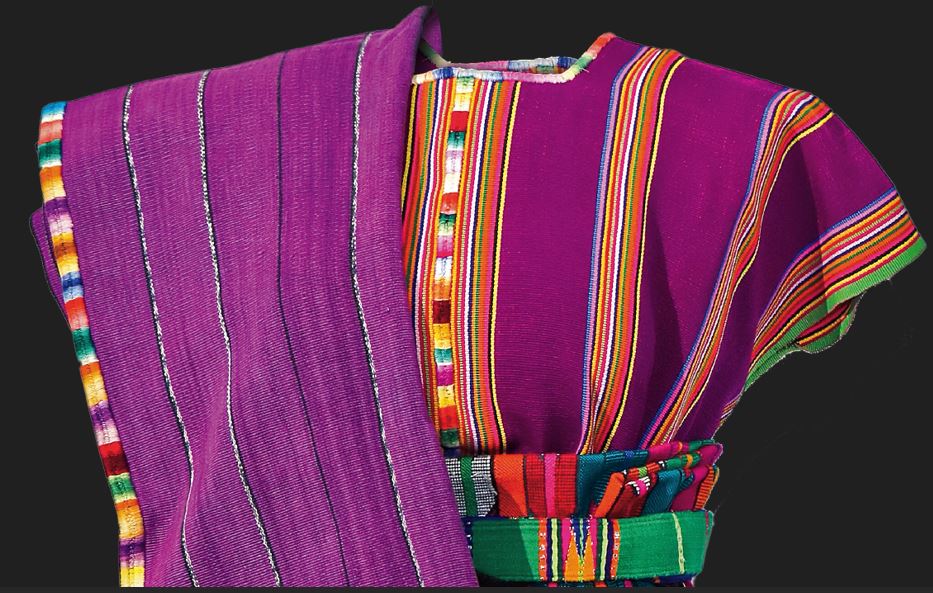
The Huipil of the Mayan clothing suit of Zunil, Quetzaltenango, is made with two canvases woven in waist loom, for which multicolored stripe blocks are made in the warp. (PHOTO PRESS FREE: Juan Diego González).
The huipil of this outfit is made with two waiver waiver waiver, for which multicolored stripes are made in the warp, interspersed with solid color stripes. The cut, tubularly, is made in loom standing, covered with brocades, with geometric designs.
Some sections of the girdle are woven with the upholstery technique, While the Su’t is made in waist loom and is composed of two canvases that bind to the center by embroidery in the point of Randa.
The headdress presents geometric designs, anthropomorphs and zoomorphs, with the upholstery technique. It is topped with a small pompom with tassel and the same colors apply as in the rest of the piece.
Designs
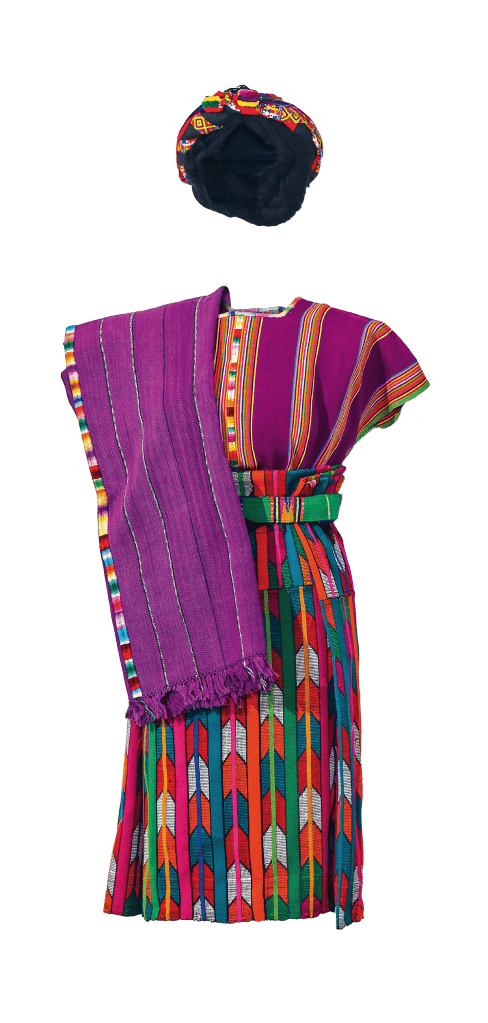
- Linguistic community: K’iche ‘
- Daily use suit
The cut is usually used and It is covered with geometric and quite colorful patterns, Organized in stripes.
Related readings


Related readings

Huipil has color stripe patterns in the warp and intercala wide solid stripes with multicolored sections. In addition, he has hand embroidered in the neck and in the union of the canvases. This is an ancient style that does not present the large floral embroidery that are seen today.
The tape, which is used rolled in the hair, is decorated with Geometric, zoomorphic, phytomorphic and anthropomorphic figures.
This is one of the costumes that belong to The collection of IXCHEL Museum of the indigenous suit, whose support for the publication of this series is fundamental, especially that of its director and curator, Violeta Gutiérrez.
- The information on Mayan clothing costumes presented in this space depends on the temporality and context of the documents and people consulted by the Ixchel Museum.
- In the Mayan textile tradition, elements such as trends in each community influence the personal taste of the bearers and creators of this tradition. In some cases, the data is scarce or vague.