

The anti -migrants rhetoric and the strictest control measures have created a voltage environment in which many are forced to modify their routine to avoid problems with the authorities.
While some have opted for replication, others have found in adversity the motivation to strengthen their ventures and provide support to their communities.
Such is the case of Edvin Cua (fictional name) and Leonel Castillo, two Guatemalans who have built their life in the North American country and today face the effects of these measures with different strategies but with the same objective: resist and move on.
“We are here for a promise”
Cua is the second of nine brothers: four men and five women. He grew up in a humble home, in Quiché, where his father, a street vendor, did his best to keep the family afloat. However, the economic difficulties were constant and, seeing the sacrifices of his parents, he made a decision that would change his life: migrate with only 17 years to the north, in search of a better future.
“I asked God to grant me the opportunity to fulfill my promise: build a house for my family, save for a business and, someday, return,” he says.
Of deliveryman to entrepreneur
CUA arrived in the United States in 2007, after an arduous journey from Guatemala. Like many migrants, his trip was full of dangers and sacrifices. Crossing the border not only meant a physical, but also psychological challenge, when witnessing extreme situations such as kidnappings and abuses against those looking for a better life opportunity.
His journey lasted almost a month, until he finally managed to reach the city “that never sleeps”, New York, where he began his new life with the hope of progressing.
His first job was as a dealer, with a pay of just US $ 20 a day, working more than 13 hours a day. Despite difficult conditions, he never stopped looking for opportunities to improve his situation. Over time he managed to change his job and obtained a better salary, and in 2010 he got a position with a weekly income of US $ 600, which represented a great advance in his economic stability.
However, his great jump came after the 2019 pandemic. The health crisis forced many entrepreneurs to close their businesses, including their former bosses, who left the place in which he worked. Seeing an opportunity in the midst of the crisis, what decided to take the reins and negotiate with the owners of the building to rent the space and open their own business. Thus was born his first establishment, an entrepreneurship that allowed him to provide employment to other migrants.
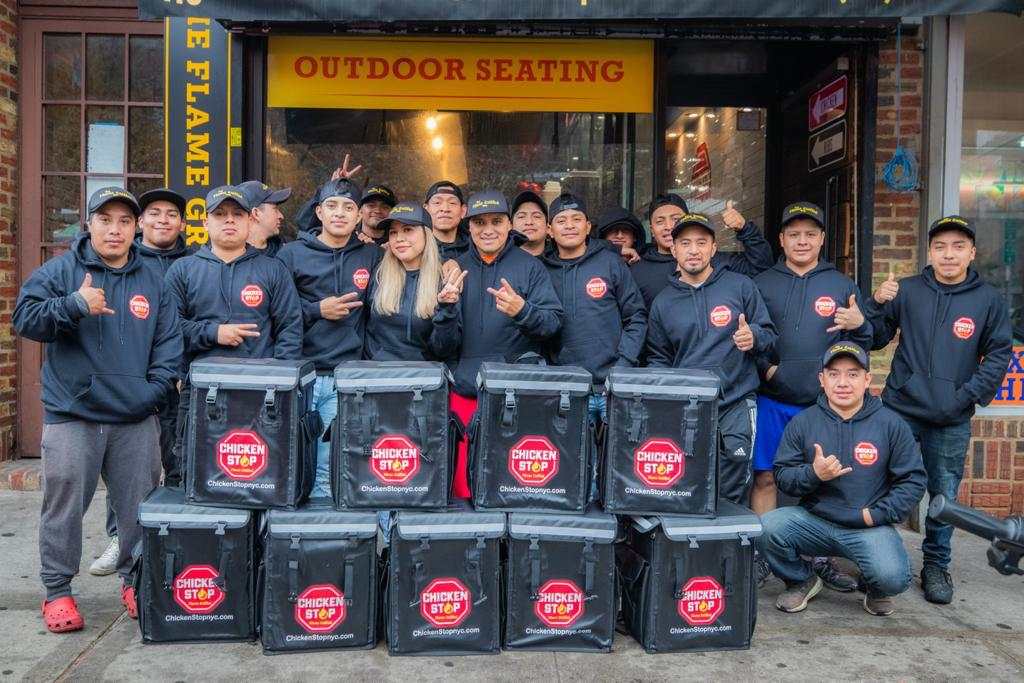
Over time, his business grew, and with the help of his three brothers, who also migrated to the US, managed to expand and open a second place after the pandemic. Now, in full implementation of Trump’s new immigration policies, it opened their third business, generating, in short, employment for 50 people, of which 25 are Guatemalan and the rest, migrants from Mexico, Honduras, Venezuela and Russia.
Trump effect: restrictions and changes in everyday life
Despite their success, Cua and his team have had to modify their routine and their strategies, due to the hardening of immigration laws. “Before we could move between states without problems, but now we have chosen to stay within the State, to avoid unnecessary risks,” he explains.
Aware of the climate of uncertainty, Cua and his brothers decided to seek legal advice to protect himself. Fortunately, so far he has not been the victim of raids or inspections, but his lawyer has warned him about the importance of being prepared.
“If at any time there is a problem, we already know that we must communicate with our lawyer before responding to any authority,” he says.
He has also taken strict measures to ensure of complying with traffic laws and thus avoid situations that can attract the attention of the authorities, such as drunk or not respecting the speed limits.
If I had the opportunity to talk to those who make decisions in immigration matters, I would say firmly: “We are a fundamental pillar of the economy. We deserve to be recognized and have the opportunity to work legally.”
Despite fears, Cua remains optimistic and continues to bet on your business and your team. His greatest motivation at this time is the visit of his parents, whom he had not seen in 18 years and recently received the visa to travel to the United States.
Although the fear of deportation is always latent, he prefers to concentrate on the present and trust that his work and effort will allow him to move forward.
Of migrant to activist
From Connecticut, Leonel Castillo faces a similar reality, although with a different perspective. Its history is marked by its constant struggle for the rights of migrants and their role as an activist in the Hispanic community.
Castillo, who arrived in the North American country in 1998, with the intention of being alone for a few years, has witnessed the constant changes in American immigration policy. “I left Guatemala with 35 years, thinking that I would only be here for a couple of years and then return with my family,” he recalls. However, time passed and found in that country a new mission: helping its community.
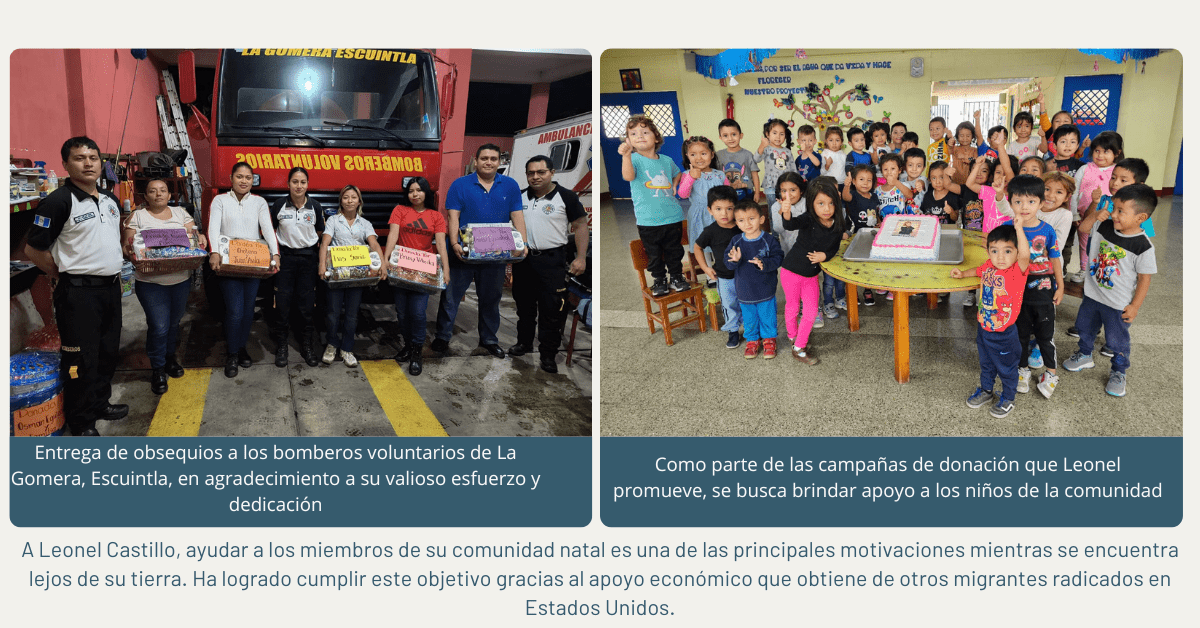
For eight years it has become a pillar in its community, in which it offers support to migrants in vulnerable situation and organizes help networks for those who need it. In addition, it extends its solidarity to its hometown, La Gomera, Escuintla, where it manages donations for children’s recreational activities and provides economic assistance to people in poverty conditions or with health problems.
Strengthens the confidence of the migrant community
His experience during Trump’s first mandate has provided him with the necessary tools to face this new stage with greater serenity. “On that occasion I saw many signing their self -exporting and companies stop hiring migrants,” he says.
With the arrival of Trump’s second mandate, uncertainty has gone back to the migrant community. “People live with anxiety, stress and fear. There are people who do not want to go to work or send their children to school,” he says.
Given the increase of rumors about raids, Castillo decided to act and organized a group of volunteers with legal status to confirm the veracity of the alerts. Thanks to this initiative, many false reports that circulated on social networks and keep the community informed.
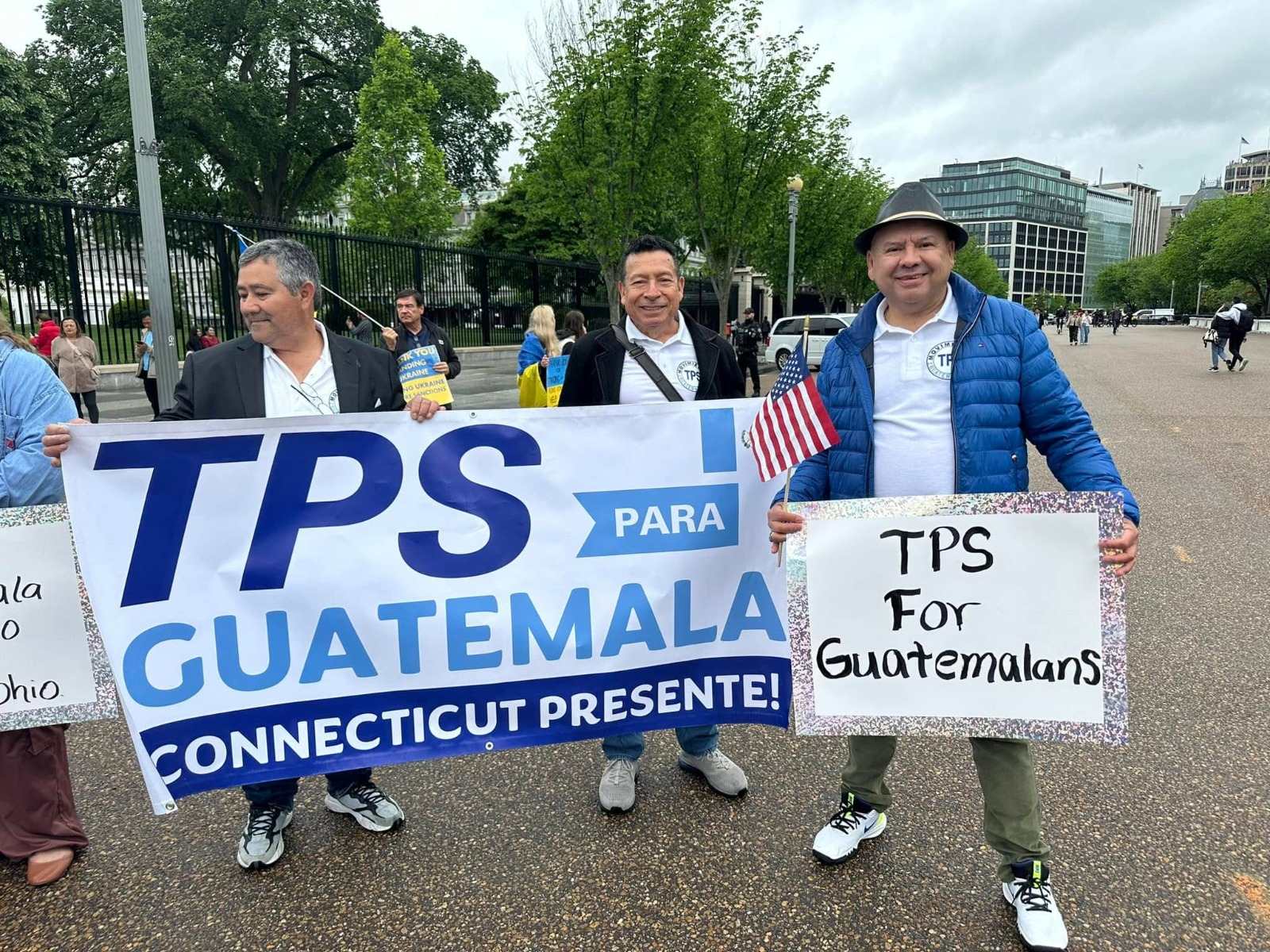
Despite the relative calm in some sectors, Castillo has seen how the authorities have intensified operations, especially against migrants who already had pending processes with the law. “What we have noticed is that, when the agents arrive, they do it with specific photos and names of the people who seek,” he explains.
Although Trump’s migratory policies have changed the panorama for undocumented, many, as Castillo, have chosen to adapt, instead of surrendering. Resilience and the sense of community remain its main tools in an increasingly restrictive environment.
An uncertain future, but with hope
For Cua and Castillo, the future remains uncertain, but they share the hope that their effort and work will be recognized.
“We are fundamental pillars of the economy. We deserve to be recognized with a work permit,” says Cua, who dreams of obtaining a regularization that allows him to continue in his business without fear.
Both recognize that the migrant community has demonstrated a huge resilience in the face of challenges. Despite restrictive policies, many have found a way to move forward, either through entrepreneurship, community organization or activism. “The key is to stay informed, support us and not let fear paralyze us,” says Castillo.
While Trump’s migratory policies have changed the panorama for undocumented, the fight for the right to a decent life in the US. UU. Continue. The history of these two migrants is just a reflection of the determination and strength of millions of people who, far from surrendering, seek every day an opportunity to continue building a better future.