
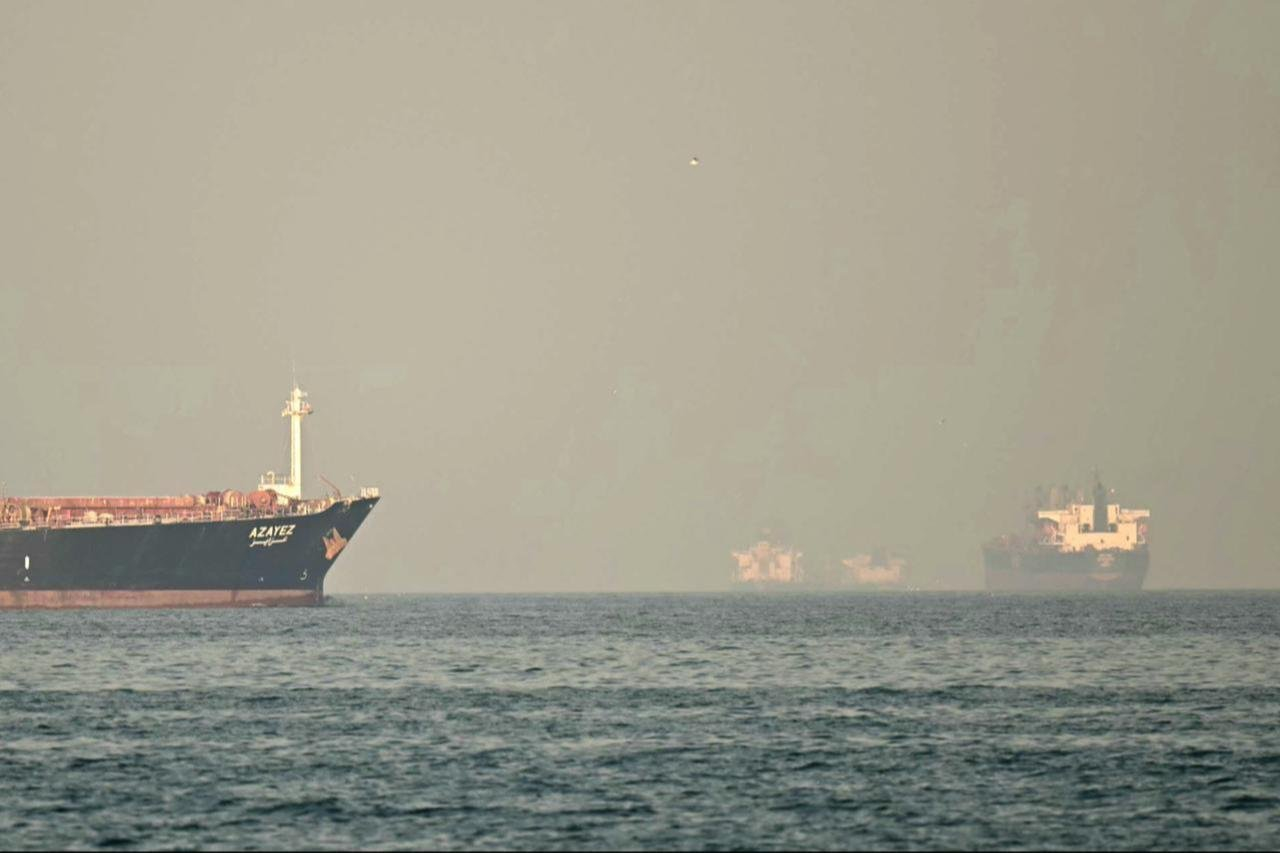
Numerous vessel monitoring platforms reported this April 14 that for at least three oil tankers have been able to cross the Strait of Hormuz, in the first day of the blockade imposed by the USA. against transports that stop at ports in Iran.
The passage of ships through the strait, strategic point for the global economy and blocked by Iran since the start of the war with the US on February 28, occurred after Donald Trump threaten Iranian ships passing through the US blockade.
The American president threatened to “delete immediately” any Iranian ship that skips the blockade.
“The blockade will be applied impartially against ships of all nations entering or leaving Iranian ports and coastal areas, including all Iranian ports in the Arabian Gulf and the Gulf of Oman“said the United States Central Command (Centcom) in a message on X to explain the operation.
In relation to the ships that have passed the strait, the one that mobilized this Tuesday It is the Peace Gulf tanker, which sailed under the Panamanian flag and was heading to the port of Hamriyah, in the United Arab Emirates. The information was provided by the MarineTraffic tracking portal.
Two other ships managed to pass the strait after authorization from the US, since None of them moved to Iranian ports.
The tanker Murlikishan, formerly known as MKA, sails under the flag of Madagascar towards Iraq, where it plans to dock next Thursday to load fuel oil.
Previously, the oil tanker Rich Starry, 188 meters long and flagged by Malawi, crossed that sea route towards China after It aborted its passage yesterday, after leaving the Emirati port of Sharjah.
In addition to the ships that managed to cross the Strait of Hormuz, the MarineTraffic platform reported that Two other oil tankers had to change course upon reaching the strait.