
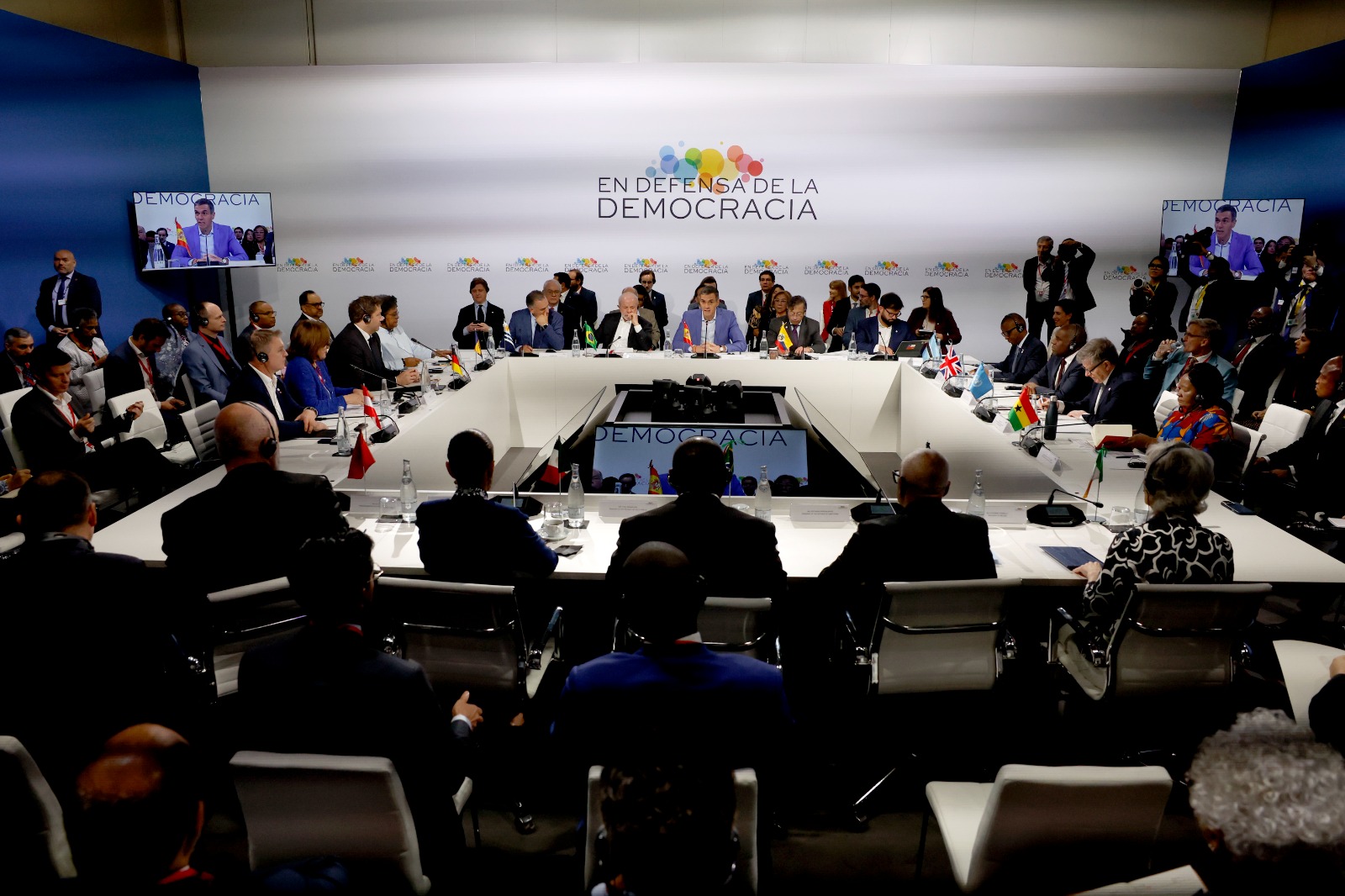
The IV Summit in Defense of Democracyheld in Barcelona, brought together leaders such as Pedro Sánchez (Spain), Luiz Inácio Lula da Silva (Brazil), Claudia Sheinbaum (Mexico), Gustavo Petro (Colombia) and Cyril Ramaphosa (South Africa)who proposed structural reforms to the UN to make it more representative and effective in the face of global conflicts.
The international event took place in a context marked by geopolitical tensions, active wars and the weakening of multilateralismfactors that, according to the participants, show the current limitations of the UN to mediate conflicts and ensure compliance with international law. In this scenario, the progressive leaders agreed that the organization has lost the ability to respond to unilateral decisions by powers and the growing normalization of the use of force.
During the summit, the leaders not only warned about these risks, but also raised the need to move from speech to concrete actionspromoting changes in the structure and functioning of the United Nations.
Among the central points they highlighted the urgency of greater global representativenessespecially in the Security Council, and strengthening the organization’s role as guarantor of the democracy, peace and international cooperation.
Lula: frontal criticism and rejection of unilateral decisions
The president of Brazil, Luiz Inácio Lula da Silvawas one of the most emphatic in pointing out that the UN has lost its original purpose.
He affirmed that the organization no longer represents the international community and criticized that powers make decisions without consensus:
- He reported actions “unilateral” outside the UN framework
- He warned that the current system allows even impulsive decisions affect global stability
- He launched a political message: “we do not want more emperors”
His proposal points to a profound reform of the global governance system.
Sánchez: move from speeches to action
The Spanish president, Pedro Sanchezcalled on progressive governments to act against attacks on democracy.
Among his approaches:
- defend the international law in the face of its weakening
- Stop the normalization of the use of force
- Promote a more active UN in global conflicts
Furthermore, together with the former president Chilean Gabriel Boric, supported a symbolic proposal: that the UN be led for the first time by a woman.
Sheinbaum: fewer weapons and more global investment
The president of Mexico, Claudia Sheinbaumraised one of the most concrete proposals of the summit:
- Allocate the 10% of world spending on weapons to environmental programs
- Boost the global reforestation as a development strategy
- Promote an agenda of peace instead of militarization
“Instead of sowing war, let’s sow life,” he summarized.
Ramaphosa: include Africa in decision-making
The president of South Africa, Cyril Ramaphosafocused his intervention on the lack of global representation.
He proposed:
- Expand the UN Security Council
- Include African countries and other excluded regions
His approach seeks to correct a system that he described as unbalanced and outdated.
Petro: a global alternative, not confrontation
The president of Colombia, Gustavo Petroemphasized that the summit does not seek to confront specific leaders, but rather to build an alternative.
- He defined the meeting as a “lighthouse” in the midst of global disorder
- He proposed focusing global policy on life and not in war
His position qualifies the political tone of the meeting against figures like Donald Trump.
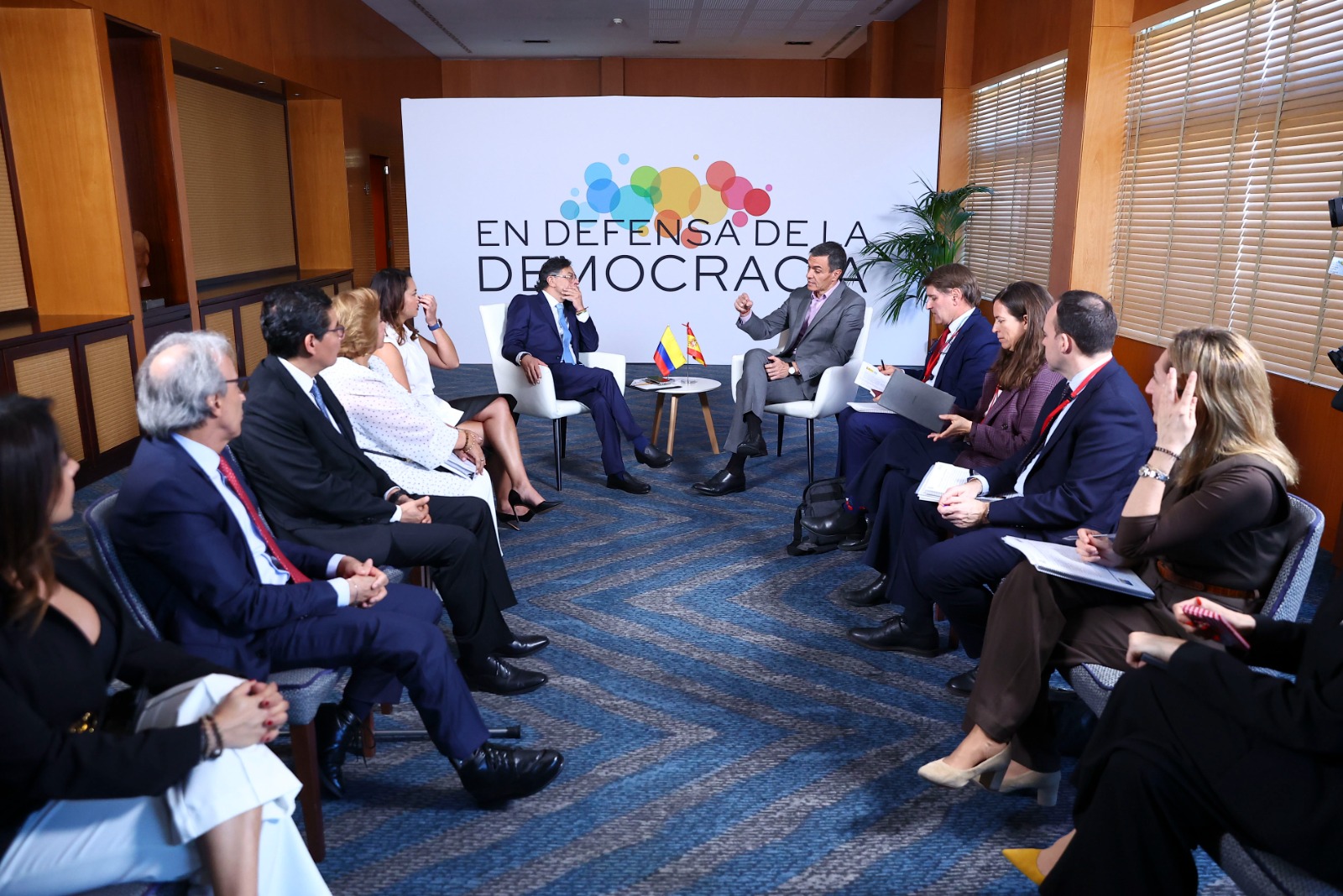
Other topics: Cuba and international relations
Other key topics were also addressed during the summit:
- Diplomatic rapprochement between Spain and Mexico after previous tensions
- Support for Cuba and rejection of any military intervention
- Called to end the economic blockade
The leaders agreed that the discussion can no longer remain political statements, but must be translated into concrete changes in the international system. The proposal to reform the UN reflects a shared concern in the face of a global scenario marked by conflicts, unilateral decisions and the weakening of international law.
With the next summit scheduled for 2027 in Mexico, the leaders raised the challenge of moving towards a more representative, active and effectivecapable of responding to current crises and regaining confidence in multilateral organizations.
*Stay up to date with the Now newsletter. Key information at the moment it happens. Subscribe here.