
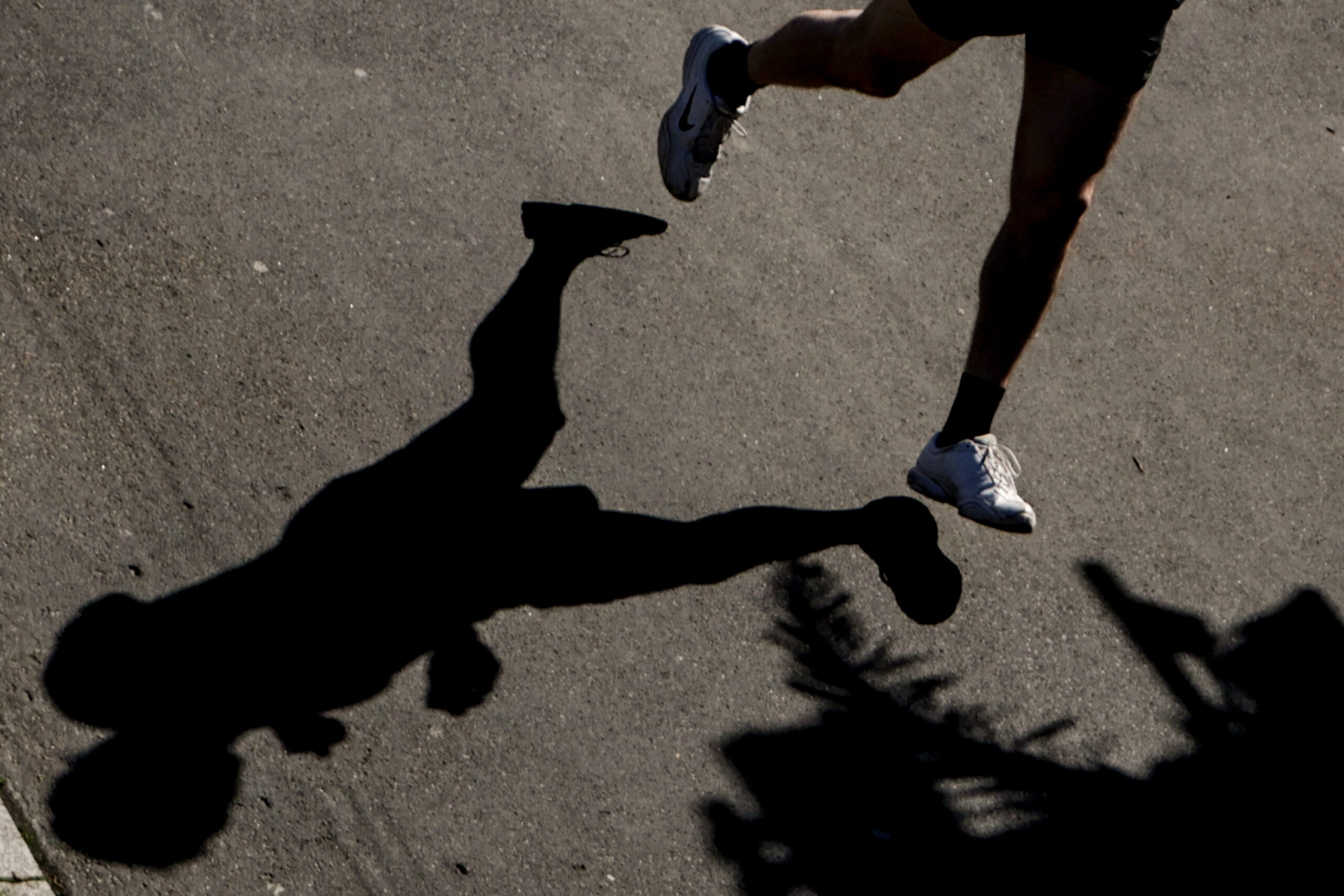
From sports nutrition, various foods have proven to be especially effective in meeting the demands of the body. running.
Sports nutritionist Ericka Morales Morgan, Central American body fitness champion, explains that food works as the runner’s “essential fuel” and should include carbohydrates, proteins, healthy fats, micronutrients and adequate hydration.
Between culture, health status, purpose and trends, many athletes adopt their nutritional style; Therefore, it is advisable to have the advice of a sports nutritionist or coach with experience in the subject.
What to eat before, during and after running
What to eat before running
Specialists recommend eating a full meal two to three hours before, based on easily digestible carbohydrates and some protein.
If time is limited, a snack 30 minutes before can provide quick glucose (banana, white bread, cookies).
Fatty, spicy or high-fiber foods should be avoided due to their potential to cause gastrointestinal discomfort.
What to eat during the race
In prolonged efforts (more than an hour), some athletes suggest products to maintain energy. Recent evidence indicates that these, due to their low fiber load and easy digestion, are more effective than natural foods in a competitive context.
- Energy gels
- Isotonic drinks
- Quick absorption snacks
What to eat after running
In the first hour after exercise, the intake of carbohydrates and proteins favors glycogen replacement and muscle recovery. Examples: smoothies, egg on toast, pasta with protein or combinations with banana (Source: Johns Hopkins Medicine).
7 highly valued foods
Morgan has identified the foods most valued by runners according to their functions:
- Pope: sustained energy reserve
It provides complex carbohydrates and potassium, which promotes the progressive release of energy and the prevention of cramps. - Banana: immediate energy
Quickly digested, it supplies available glucose before, during or after exercise. - Banana: accelerated recovery
With simple, fast-absorbing carbohydrates, it facilitates energy replacement and reduces muscle fatigue. - Apple: metabolic balance
Combines fructose with soluble fiber, providing stable energy and antioxidants that promote recovery. - Eggs: muscle repair
Source of proteins of high biological value, essential for tissue regeneration. - Milk: rehydration and muscle synthesis
Especially in its skim version, it combines fluids, proteins and carbohydrates for efficient recovery. Recent studies have resumed its benefits for runners due to its combination of nutrients and better absorption. In addition, it is more digestible and ideal in the post-race. - Oatmeal: prolonged energy
Rich in complex carbohydrates and soluble fiber, it allows you to sustain performance in long-term efforts.
Rice, which is efficiently digested—especially white rice—is well tolerated and provides quick energy without causing gastrointestinal discomfort. It can be consumed after training, as it is more digestible.
Professional approach
Milagros Rolón, sports nutrition technician and ISAK level III anthropometrist, points out that the runner’s diet must be structured according to each phase:
- Training: covering energy demands
- Competition: optimize immediate availability
- Recovery: restore tissues and reserves
Recommends a base that includes complex carbohydrates, lean proteins, healthy fats, fruits, vegetables and adequate hydration. Additionally, it emphasizes the need to individualize quantities and combinations according to the athlete.
High load days
On days with double training, nutritional planning is decisive:
- Pre-workout: ensure available energy
- Post-workout: prioritize recovery
- Complete meals: sustain performance
- Strategic snacks: avoid energy deficit
Skipping meals or insufficient recovery directly impacts performance, as sports preparation specialists warn.
long distances
To perform at 21k and 42k, the important thing is not just to be hungry, but what you consume. Natural sugars and foods that provide energy, vitamins and minerals are prioritized to maintain weight, strength and a strong immune system.
- Cocoa: muscle repair and glycogen recovery
- Dates: natural energy, vitamins A and B, potassium and magnesium
- Coconut water: rehydration and electrolytes
- Agave honey: low in calories and strengthens immunity
- Almond milk: vitamins, minerals and fat-free protein
- Cocoa and hazelnut cream: energy before running, carbohydrates and vitamins
- Dairy-Free Yogurt: Protein and Probiotics for Gut Health
Sources: International Sports Science Institute, Johns Hopkins Medicine. Ann C. Grandjean Center for Human Nutrition, soycorredora.com