

Science takes another step to confirm that viruses that affect the nervous system can influence dementia: a study collected in the magazine Nature confirms that the vaccine The Herpes Zóster reduced 20% of the risk of developing this neurodegenerative disease in a group of elders.
The Herpes Zóster (Sake) is A viral infection that produces a painful cutaneous eruption, among others, is caused by the same virus that causes chickenpox.
When a person contracts the chickenpoxthe virus remains latent in the nerve cells for life and, as the immune system is weakened with age, the latent virus can reactivate and cause herpes zoster.
The virus that causes chickenpox and herpes zóster is not the same virus that causes the herpes lipstick or genital herpes, which is a sexual transmission infection.
To avoid this there is a vaccine that contains an attenuated form of the virusand the authors of the study, affiliated with several Stadian, Austrian and German centers, reached the results it produced in a group of older people in Wales, the United Kingdom.
There, a vaccination program began in 2013 for people They were 79 years old. Only with that exact age could they opt for the vaccine given the limited dose supply.
Years after this immunization process began, the researchers analyzed the medical history of more than 280 thousand people who in 2013 did not suffer dementia. Of these, one part received the vaccine and although they were 79 years old, they were barely one or two weeks after the 80s; and the part could not access it because they turned 80 one or two before the vaccination began.
The ages of the members of both group, vaccinated and not vaccinated, varied less than a month.
Herpes Zóster vaccine protects against dementia
Data analysis seven years later, when these people already had 86 or 87 years He showed that the vaccine reduced the appearance of Herpes Zóster by approximately 37% for those who received the vaccine, a fact similar to that they had given the clinical trials of the same.
In 2020, one in eight people in the control group (280 thousand people), which by then were 86 and 87 years old, had been diagnosed with dementia, but the researchers saw that Those who received the Herpes Zóster vaccine had 20% less likely to develop dementia than the unaccoured ones.
“It was a really surprising finding to find this protective sign in the vaccine,” says the main author of the study, Pascal Geldsetzer, a medical researcher at the American University of Stanford in a statement in this center.
Greater response in women
Scientists sought everywhere other variables that could have influenced the reduction of the risk of dementia, without finding anything significant.
The most striking thing was that the protection of the herpes vaccine against dementia was much more pronounced in women than in men.
This may be due, according to the authors, for women, in general, to have a greater response of antibodies to vaccination and/or than herpes zóster is more frequent in women than in men.
Although there had already been previous studies relating the vaccine against the herpes zoster with lower dementia rates, they were association investigations made only with vaccinated people, which are generally those who have to worry more about their health and take care of themselves, practicing more sport or avoiding overweight, the researchers warn.
“These types of studies have had an important bias because they were fixed only in vaccinated people and they have different health behaviors than those who do not vaccinate. Our study takes into account each other so it is more solid to draw conclusions,” says Geldsetzer.
More research
In the last two years, the authors have contrasted the results obtained in Wales with those of the sanitary records of other countries, such as Australia, New Zealand or Canada, which had a similar system of implementation of the vaccine against Herpes Zóster, observing the same effect.
The study confirms the efficacy of the herpes vaccine administered in 2013 compared to dementia, not its most up -to -date version used in recent years. Nor does it delve into the road through which the vaccine, if it does stimulating the immune system in general, reducing the revival of the virus or through some other mechanism.
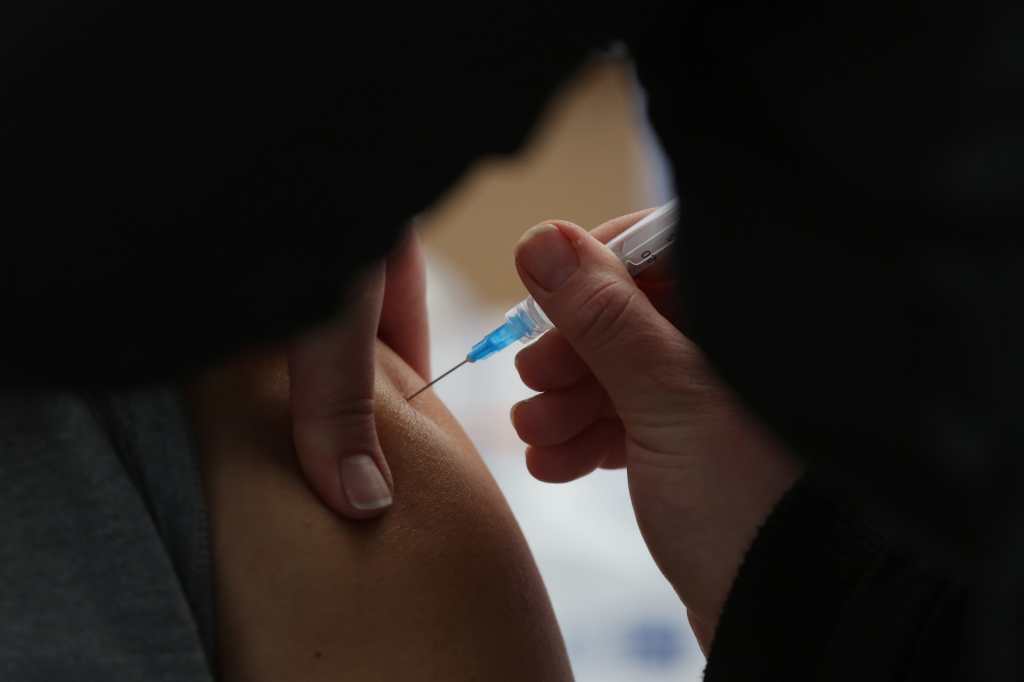
“We need resources to continue deepening this finding because you could open important prevention routes“Geldsetzer concludes.
The findings of this study “support the potential role that viral infections have in Alzheimer’s disease and in other forms of dementia”, and the need to “invest more in investigating the role of infectious agents as possible causes of neurodegenerative diseases,” says Alberto Ascherio, professor of epidemiology at Harvard University in a reaction collected by a medium -sized reaction Center.
Is the Herpes Zóster vaccine administered in Guatemala?
By consulting the authorities of the Ministry of Health and Social Assistance from Guatemala They replied that This vaccine is not available in the immunization program. Nor does the Guatemalan Social Security Institute have in the vaccination scheme.
Some pharmacies and private services if they have it. It has an approximate cost of Q2 thousand 160. Preventive treatment is understood as two dose by person. After the first dose, the second dose should be administered two to six months later.
Geriatrician Josué Avendaño explains that these two doses are for life and can be placed from the first year of life. If an adult does not have it, I could receive it at any age.
It is generally administered to older people. The greater a person, the more serious his Herpes Zóster infection can be, specialists say.
The Mayo Clinic explains that the most frequent side effects of the Herpes Zóster vaccine are redness, pain and swelling on the injection site. Some people also have fatigue, headache and other side effects.
The Herpes Zóster vaccine does not guarantee that it will not have the condition. However, it is likely to reduce the evolution and intensity of the disease.