

Health and family
It is recommended to change the toothbrush every three or four months, at most. Otherwise, it loses effectiveness and can generate damage to gums.
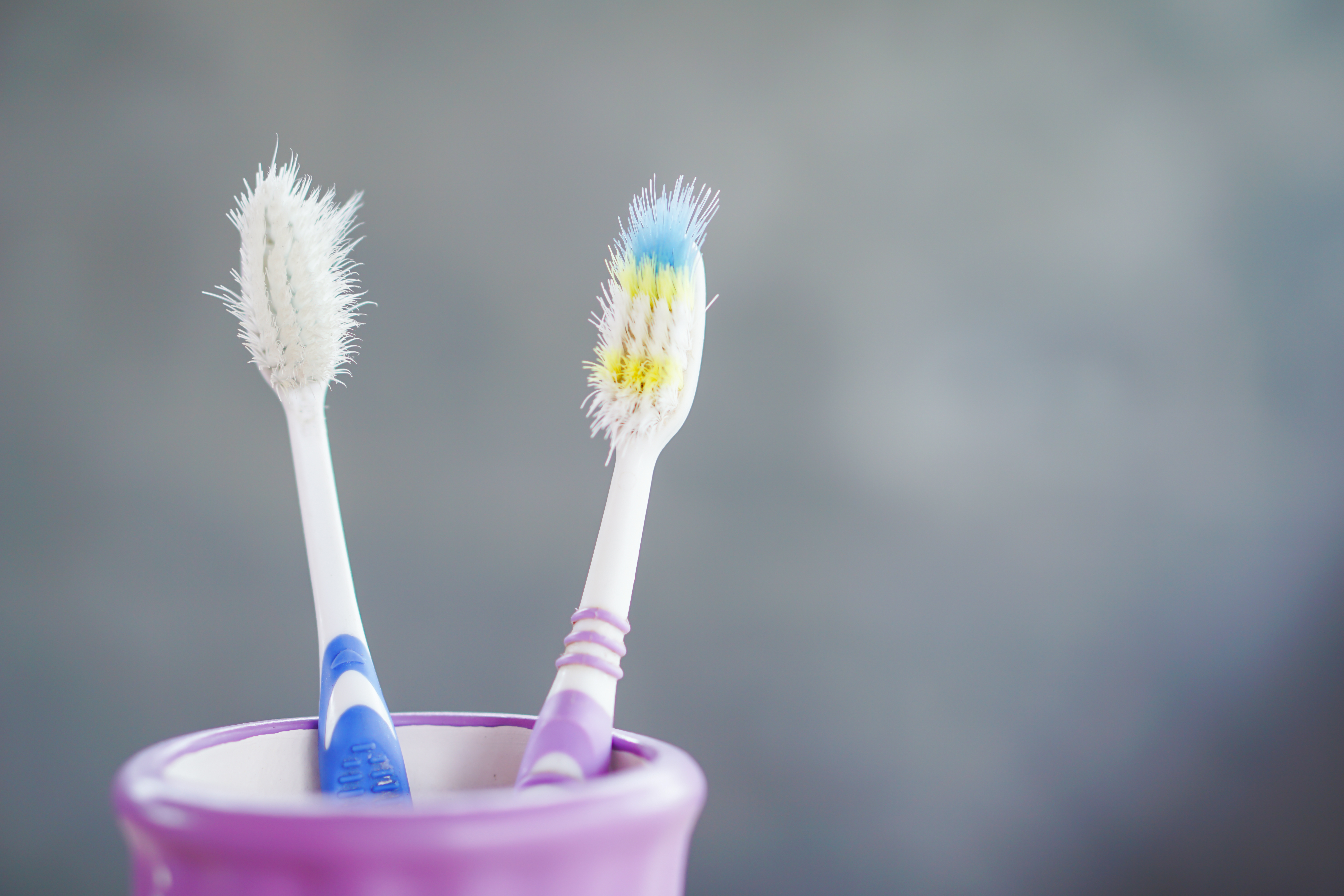
Experts recommend changing the toothbrush by observing signs of wear in the bristles. (Free Press Photo: Shuttersock)
The specialists in the Dental health They recommend not using the same toothbrush for more than four months. This may vary according to the use, health and preferences of each person.
Edgar Pérez, a dentist and oral health specialist, explains that the toothbrush should be changed when we notice that the sows are worn or folded, since that way it can lose its effectiveness and not remove the bacteria present in teeth and gums.
When observing signs of wear, it is better to use a new one. It is also desirable that in the case of illness the toothbrush is replaced, especially if it is stored near other brushes.
The American Dental Association insists that, if the brush is worn before three months, it must be replaced by a new one. Otherwise, it becomes a threat to oral health.
Risks of using a brush in poor condition
Using an old toothbrush and in poor condition can have repercussions on oral hygiene and also generate more serious discomfort in the gums. Eston are some of the effects:
- Plate accumulation and bacteria: The teeth, gums and tongue can be affected by an inappropriate and worn toothbrush. The plate will accumulate as there is no a correct brushing.
- Unpleasant smell in the mouth: Bad breath can also be a consequence that harms the oral health of the person and also their social relations.
- Caries: Insufficient oral hygiene habits are one of the causes of caries appearance, which are holes that are formed in the teeth due to lack of minerals.
- Gum diseases: These are diseases that directly affect the tissues and bones that support the teeth. Infections in the gums may also arise due to the accumulation of bacterial plaque.
- Gingivitis: It is a common and mild disease that is characterized by bleeding, redness, swelling and malaise of gums. In addition to being painful, it can also cause bad breath.
- Effects on dental enamel: Unglected brushes do not achieve deep cleaning because the sows are not in good condition and can damage the gums and the dental enamel.
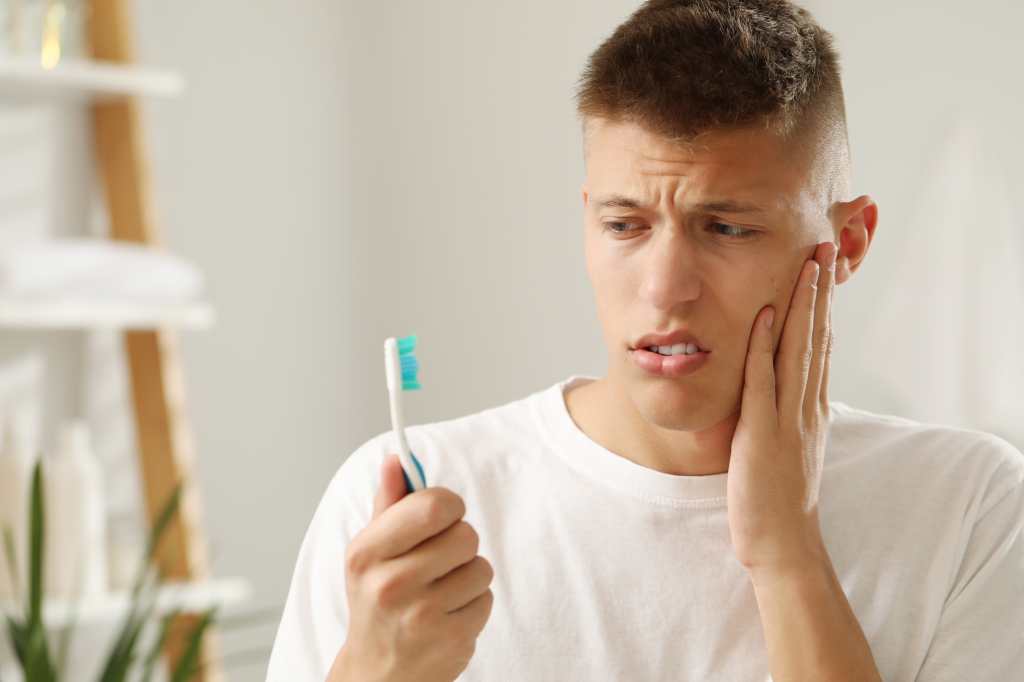
In many cases, incorrect brushing can affect the duration of the brush in good condition. Some people They brush very strongly, A practice that can be harmful to gums.
According to Pérez, another important aspect is to correctly save the brush. It must be preserved in a vertical position, without a coverage and in a clean and dry place, away from factors that can contaminate it. In this way, after being used, it can be dry and maintained ventilated, which helps prevent the proliferation of bacteria and germs.
It can be stored on a shelf inside the bedroom, in a corner away from the bathroom, away from the toilet and sink or in a large closet where it can be fresh and dry.