
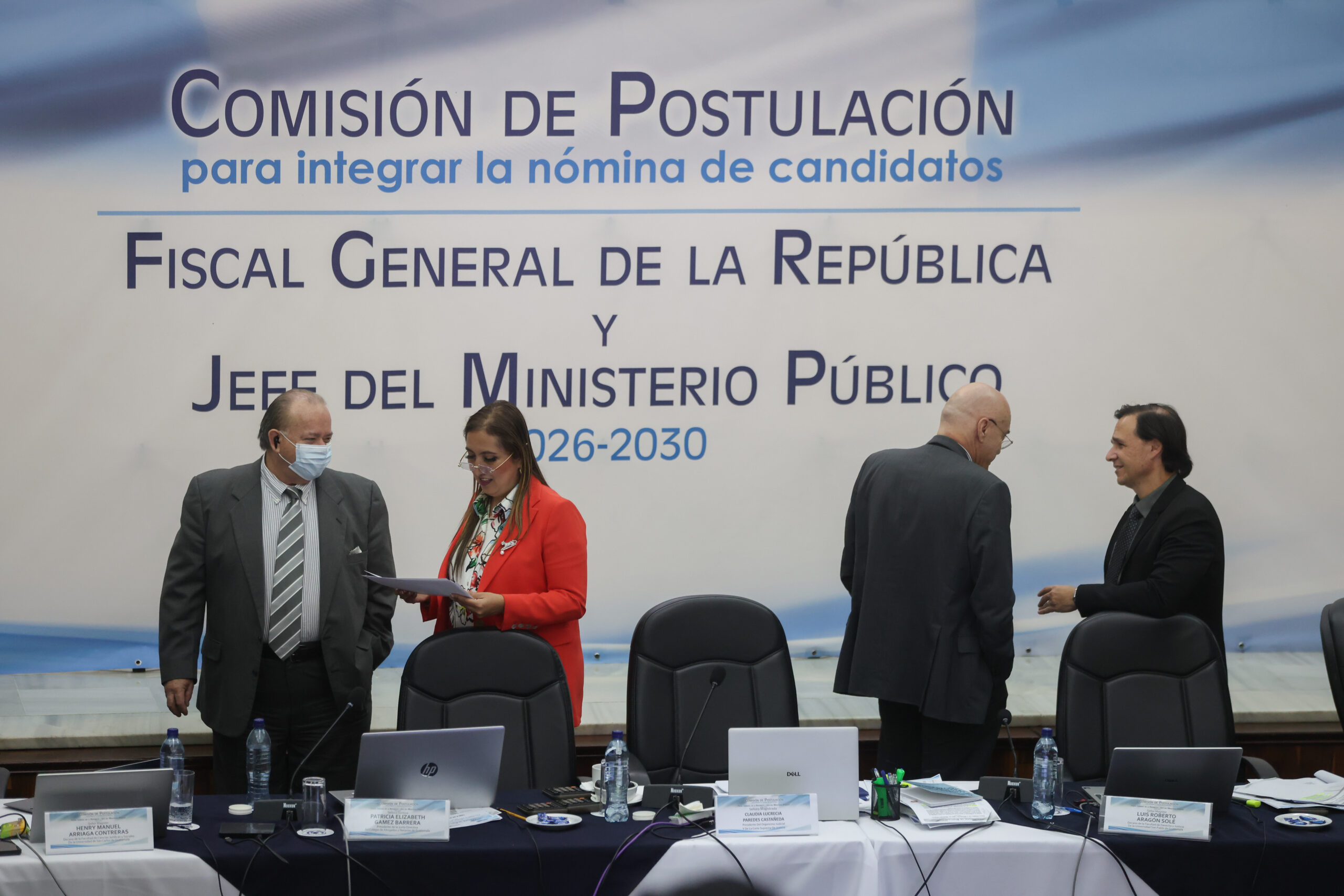
The nomination commissions in Guatemala have managed to maintain, with relative consistency, formal compliance with the processes. However, this compliance does not necessarily translate into decisions that respond to the substance of what the country needs.
Today, evaluation of applicants It is based mainly on the review of files that privilege quantifiable variables: years of professional practice, academic titles and positions held. These elements are important, but they are insufficient when they are not analyzed in their qualitative dimension.
The problem is not that the experience is evaluated, but how it is evaluated.
Take as an example the choice of a attorney general. Beyond meeting legal requirements and accumulating years of experience, the position requires specific skills: institutional leadership, management capacity, technical knowledge in criminal and constitutional matters, and proven experience in leading complex teams. The key question is not how many years an applicant has served, but rather what type of experience he or she has built during that time and how that experience translates into real capabilities to lead a national institution.
However, these aspects are rarely discussed in the necessary depth within the committees. The analysis tends to remain on the surface of the file, without opening substantive spaces to evaluate the quality of the professional practice or the skills required by the position.
This weakness is not new. Since 2012, at least eight reform initiatives to the Nomination Commissions Law have been presented in the Congress of the Republic of Guatemala. That is, the diagnosis of the limitations of the model has existed for more than a decade. Despite this, the system remains practically intact.
This shows a fundamental problem: we know what needs to change, but we have not managed to build the necessary consensus to do so.
Therefore, once the process of electing the Comptroller General of Accounts is completed, it is essential to open a serious space for discussion on the design of these mechanisms. It is not only about adjusting procedures, but about rethinking how to guarantee more comprehensive evaluations that allow identifying not only trajectories, but capabilities.
The strengthening of the nomination committees cannot continue to be a pending task. It requires political will, coordination between sectors and, above all, a real commitment from the Congress of the Republic to promote reforms that respond to the weaknesses already identified.
Because in the election of key officials for the country, complying with the form will never be enough if the substance is left aside.
To stay up to date, visit our section on Second Degree Elections.