
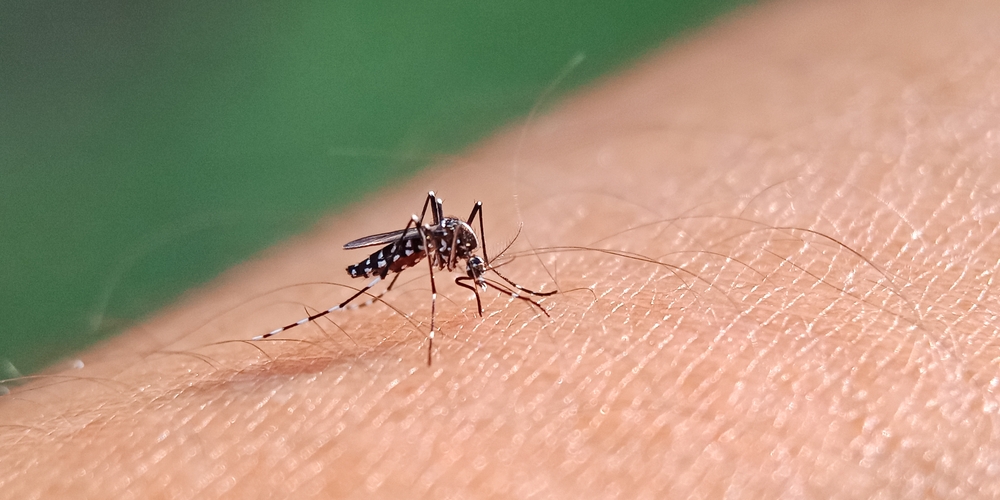
These biting insects, which can transmit diseases such as dengue, chikungunya, malaria and West Nile virus, “remain the most dangerous animals on the planet,” said Adrian Vasquez, an assistant professor in the biology department at Mercer University who specializes in mosquitoes.
And avoiding them is now more important than ever, as research suggests mosquito populations are expanding across the United States, he added.
Existing mosquito species are spreading to new areas, and invasive species from other countries have settled in the U.S. There is also evidence that mosquito season may be lengthening due to rising global temperatures, and climate change is also allowing some mosquito-borne diseases, such as dengue, to spread to new areas.
Even if you live in a place where these types of illnesses are less likely, mild bites can be itchy and uncomfortable, and some people develop major allergic reactions to them.
These are the strategies they recommend:
It’s almost impossible to completely avoid mosquito bites, even if you spend the entire summer at home, but there are steps you can take to minimize contact. The Washington Post asked eight mosquito experts how they personally avoid bites during the warmer months.
Eliminate standing water in your garden
According to experts, periodically inspecting the property for standing water is essential to control the mosquito population.
“I walk around my back yard and front yard, and maybe the neighborhood a little bit, to see if there are any obvious puddle areas,” said Anandasankar Ray, a professor in the Department of Cellular and Molecular Systems Biology at the University of California, Riverside, who studies the effectiveness of mosquito repellents.
Birdbaths and abandoned ponds are possible breeding grounds, but stagnant water can also be found in old tires, leaf litter, or at the base of flower pots. Most of a mosquito’s life cycle is spent in water, “so by eliminating standing water, you eliminate potential breeding sites,” explained Raymond Cloyd, professor and extension specialist of horticultural entomology at Kansas State University.
Read also: Forest fires increase the risk of various types of cancer: What are they?
These puddles “can be very small,” Ray added; They could form on objects left in the yard that collect rainwater, such as a pool float, small toy, or piece of trash.
“Many people don’t realize that mosquitoes can reproduce even in very low humidity,” said Vásquez, who explained that the amount of water that fits in the cap of a plastic bottle can be enough to feed the next generation.
If you can’t remove standing water, consider larvicides
For stagnant water that cannot be emptied—for example, if you have a fish pond in your garden—a larvicide containing Bti (Bacillus thuringiensis subspecies israeliensis) may be helpful. These products contain a bacteria that kills mosquito larvae in water and are “very safe,” said Laura Harrington, a professor of entomology at Cornell University.
Bti bacteria produce toxins that specifically attack the larvae of mosquitoes, black flies and gnats, and are not harmful to other insects, humans, birds, fish or other animals.
These products typically release the bacteria for about a week, “and then if you repeat that intervention, you can prevent the mosquitoes from appearing,” said Gonzalo Vázquez Prokopec, a professor in the Department of Environmental Sciences at Emory University who studies vector-borne diseases.
Apply repellent with DEET, lemon eucalyptus oil
Insect repellents are another important tool for preventing bites, according to experts.
“I think there’s a misunderstanding about the safety of repellents,” Harrington said. “There are actually very safe repellents on the market.”
In terms of effectiveness, DEET is “the best at preventing bites,” said Jeff Riffell, a professor of biology at the University of Washington. This synthetic repellent was developed by the US military in the 1940s and suppresses odor, making it harder for mosquitoes to detect human odor.
Some people prefer not to use DEET due to old reports of adverse health effects after ingestion, but EPA safety reviews concluded that the ingredient does not pose a health risk to adults and children if used correctly: applying it only to exposed skin and avoiding broken skin, eyes and mouth.
Among the repellents that experts use are picaridin, which can prevent mosquito and tick bites, and products made with lemon eucalyptus oil.
Lemon eucalyptus oil “effectively repels mosquitoes from a distance,” Riffell said, “the only problem is that you have to apply it repeatedly.” According to the CDC and the American Academy of Pediatrics, this product should not be used in children under 3 years of age.
Turn clothes into a shield
When I spend time outdoors in places with a lot of mosquitoes, such as gardening or gardening, “I try to wear long pants and long sleeves. That way, I have to apply repellent to less of my skin,” explained Jerome Goddard, extension professor of medical entomology at Mississippi State University. The goal is to “just cover the skin as much as possible,” Harrington added.
According to experts, permethrin, a synthetic pyrethroid insecticide applied to clothing, can also effectively repel insects. “It’s a great way to avoid mosquito bites,” Riffell said. You can buy clothes pre-treated with permethrin or apply it yourself.
“I personally did it when I traveled to Brazil,” said Eva Buckner, assistant professor and state extension specialist at the UF/IFAS Florida Medical Entomology Laboratory. Buckner treated clothing with permethrin spray to protect against mosquitoes and ticks.
If you don’t want to spray all your clothes, using permethrin on just a few items can make a difference. “What I do is I spray my hat, first the bottom, then the sleeves and finally the shoes,” Harrington explained.
Use fans and space repellents
There’s a reason you’re less likely to get bitten by mosquitoes on windy days: “Mosquitoes don’t fly very well,” Buckner said, so fans can be a good method to keep them away. Larger fans will have a greater impact, Cloyd said, but even smaller ones, properly directed, can help minimize pinholes in outdoor entertainment areas. For example, when eating on the patio, Harrington uses fans under the table.
CONTENT FOR SUBSCRIBERS
Experts also suggested space repellents, or devices that create a protective radius. “If I’m sitting somewhere, like a patio or a balcony, and there are a lot of mosquitoes around, what I do is use a space mosquito repellent,” Ray said. These devices, also called space emitters, typically have rechargeable batteries and “emit a small amount of a chemical that deters mosquitoes from entering an area,” Harrington explained.
“If you’re going to eat outside and stay in one place, I think they can create an effective protective bubble around you,” Buckner said.