

Scenery
Condemned to wander the streets of the old neighborhoods of Guatemala, Sixto Pérez travels the nights in his damn carriage, caught between the world of the living and that of the convicted.
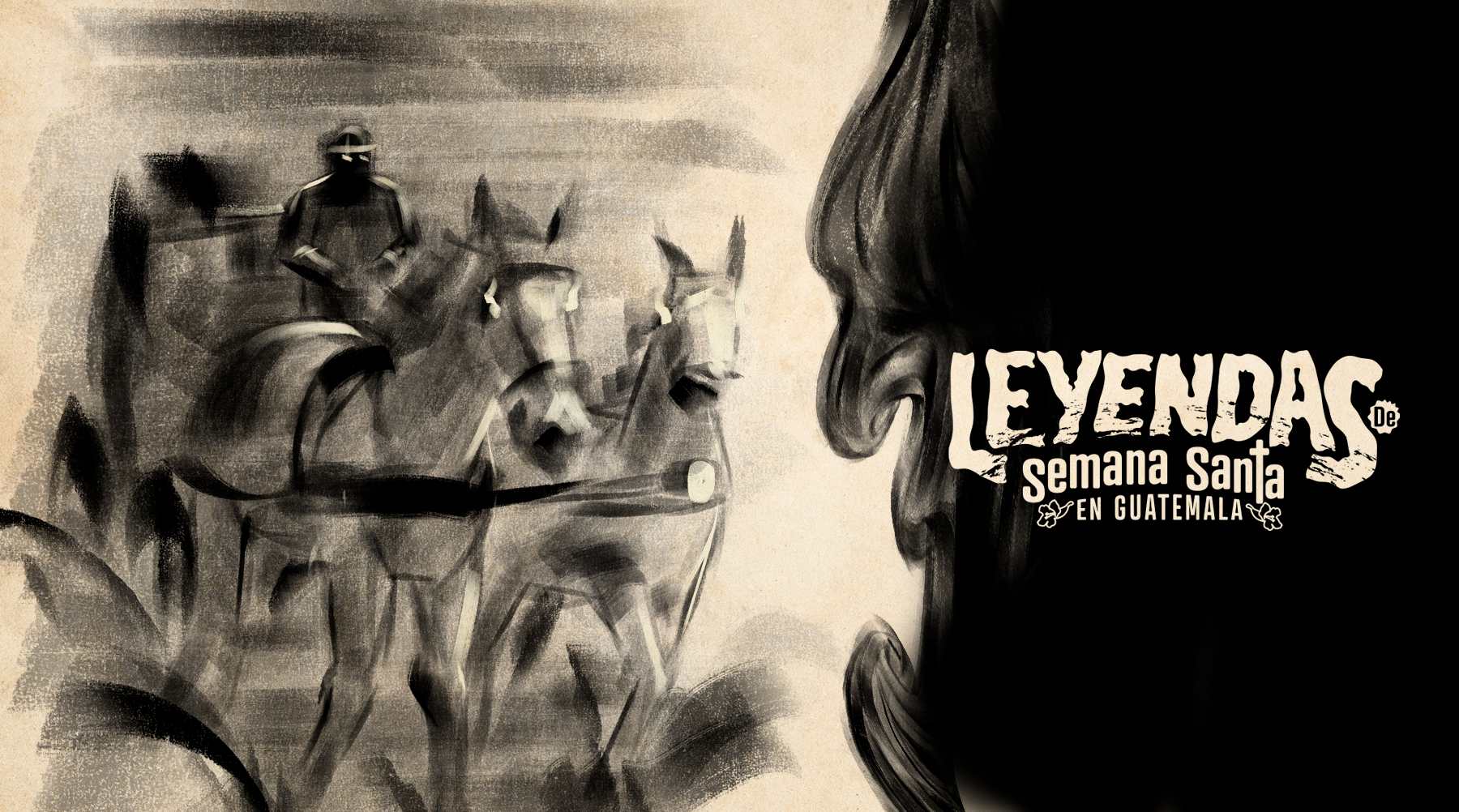
Easter legends: Don Sixto Pérez and the damn carriage. (Illustration Free Press: Marcos Gálvez)
For the old neighborhoods of Guatemala City, it is said that the disturbing echo of the wheel of the damn cart of Don Sixto Pérez still resonates. They say that when the night falls and the silence takes over the streets, its carriage crosses the darkness in search of the souls that have been delivered to the excess of the drink.
In its path, it leaves a trace of sulfur, a stench that betrays the presence of death and infernal horses that drag their eternal condemnation.
The grandparents said that the soul of Sixto Pérez was trapped in the underworld, unable to find rest. His punishment is a consequence of a diabolical pact, as he sold his soul to the demon in exchange for ephemeral freedom. Since then, every gallop of his cursed horses is a reminder of the price he pays for his sins, an eternal tax for having challenged faith and mocked the devotion of believers.
The story also recounts that Sixto Pérez was the executioner of former president Justo Rufino Barrios, who used it to execute his darkest orders and keep his hands clean. It is said that he participated in the violent expulsion of religious orders, such as Franciscans, Dominicans and Mercedarians, whose ideals did not coincide with the principles of the liberal revolution.
However, Pérez, blinded by his cruelty, went beyond what Barrios asked, punishing and tormenting the devotees of the historic center with an evil that led him to seal his destiny.
Sixto Pérez: The executioner condemned to wander for eternity
After the liberal revolution of 1871, which ended the 30 -year -old conservative government, Justo Rufino Barrios came to power with a vision of change. Determined to break the religious control that the country had dominated, he ordered the expulsion of priests and nuns that opposed liberal ideas. But, not to get his hands dirty, he entrusted this task to Sixto Pérez, a ruthless and unscrupulous man, who not only fulfilled the orders, but also led them beyond what Barrios had requested.
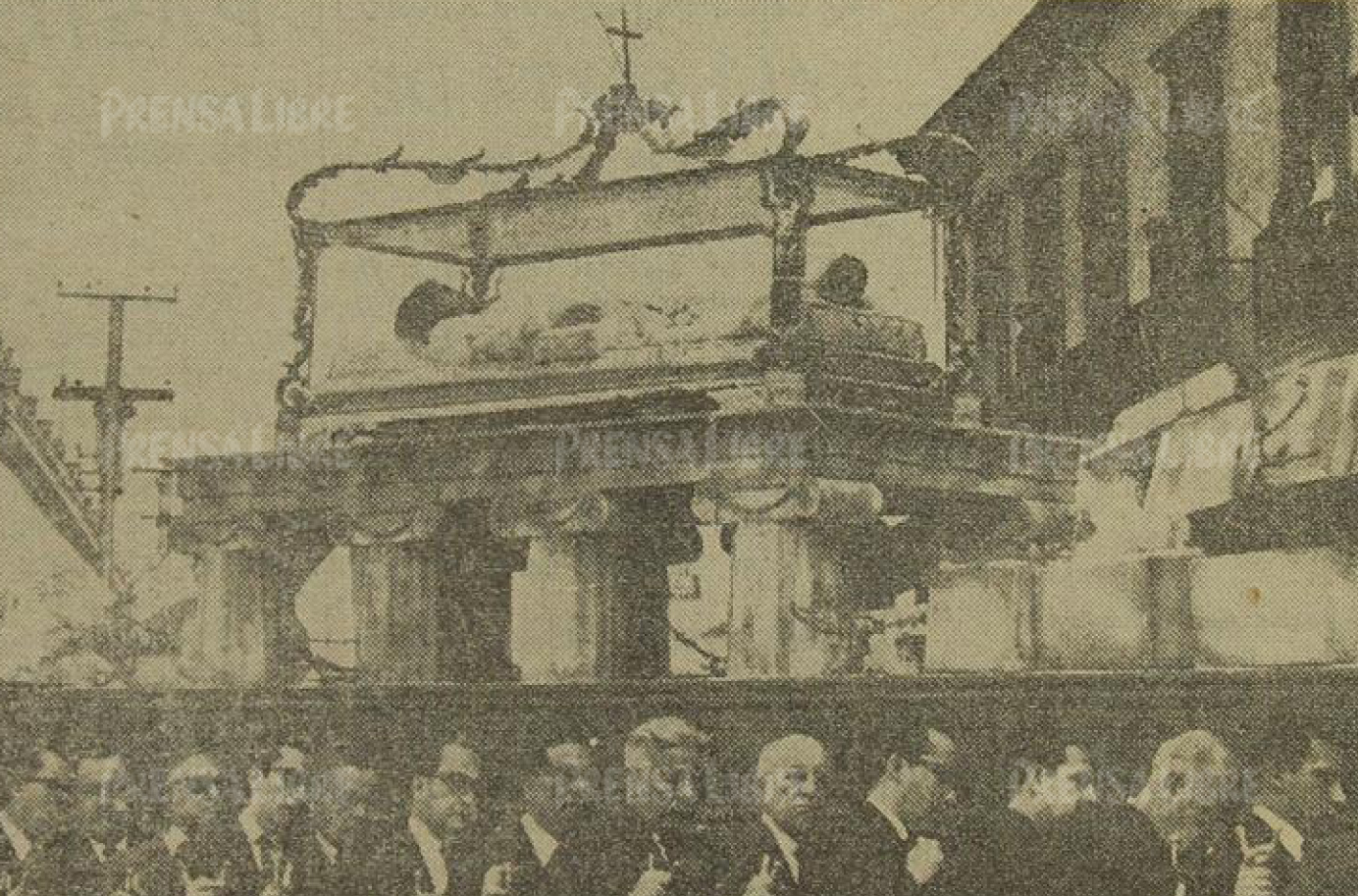
The story tells that the condemnation of Sixto Pérez began a Good Friday, when the solemn procession of the Holy Burial of Santo Domingo toured the streets of the Historic Center.
They were more than 15 hours and the walk, carried on the shoulders by the cucuruchos, advanced between incense and prayers. Suddenly, a rumble broke the sacred silence. On the fifth street, in front of the Atrio de la Merced, a carriage pulled by two black horses that advanced at full speed appeared.
About the carriage was Sixto Pérez, drunk and uncontrolled, mistreating those who crossed their way and mocking the solemnity of the moment. Some say that the cucuruchos, trying to avoid running over the walk, dropped it in the middle of the bewilderment. This sacrilege sealed its destiny.
After being captured and realizing that his influences could not release him, Sixto Pérez made the worst decision: he sold his soul to the devil in exchange for his freedom. However, his excessive alcohol consumption led him to breach the pact, and the devil, enraged, charged his debt condemning him to wander forever.
Since then, it is said that Sixto Pérez was caught in Limbo, condemned to tour the streets of La Merced, the Tabernacle, the collection and the Zapote in his damn carriage, seeking to torment the souls that, like him, fell into excess and challenged faith.
The grandparents warn that if ever, in the still morning, you listen to the squeak of wheels on the cobblestones and perceive an intense smell of sulfur, do not follow your path. It may be the carriage of Sixto Pérez, who still seeks to redeem his soul, charging those of those who, like him, transferred the limits of good and evil, legend that was portrayed in the book Guatemala stories and legendsby Francisco Barnoya Gálvez.
From reality to legend: the story of Sixto Pérez
As with many Guatemalan legends, the story of Sixto Pérez was born of real events that, over time, were transformed into a story full of mystery and warnings. Óscar Cano, journalist, director and founder of Attic ledemphasizes that this legend has historical roots and that the figure of Sixto Pérez really existed, which could be confirmed with records of its entrance to the penitentiary.
Cano says that initially, the legend was known as “the pilot carriage” and that over time the real name of the pilot was lost. It was the historian and writer Francisco Barnoya Gálvez who identified the protagonist of this story: Sixto Pérez, known among the grandparents as “The executioner of Justo Rufino Barrios”, a ruthless man who executed the darker orders of the president to prevent him from staining his hands.
History places us in 1871, Cano details, after the liberal revolution, when Barrios came to power and expelled from the country to religious orders, such as the Franciscans, Dominicans and Mercedarians, whose thought did not coincide with the liberal ideals.
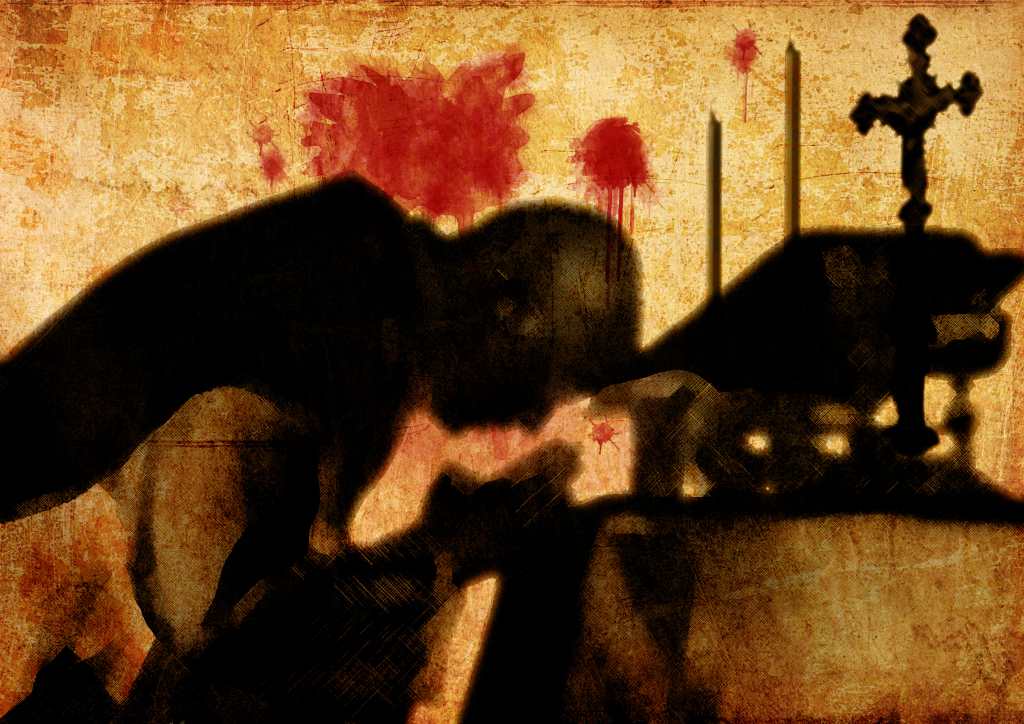
Grandparents report that, during the Government of Barrios, Sixto Pérez was responsible for expelling priests and nuns from Guatemala. (Illustration: Shuttersock)
In that context, the Aycinena clan, an influential conservative group that opposed the neighborhood reforms, was also banished. The expulsion of this family coincides with the era of Sixto Pérez, who played the role of informant, executioner and neighborhood body, which could support his involvement in these facts says Cano.
A soulless man
Sixto Pérez not only fulfilled orders, but also exceeded, winning the reputation of being cruel and ruthless according to the stories. His destiny was sealed a Good Friday, when, drunk and out of control, broke into the procession of the Holy Burial of Santo Domingo. The carriage thrown by two black horses broke into the incense and prayers, while Pérez shouted challenging:
“Here is Rufino Barrios, Cachurecos bastards!”
When trying to avoid outrage, the Cucuruchos dropped the walking of the buried, causing a sacrilege that enraged the community, some versions report.

It is said that Sixto Pérez was a brown man, with a prominent mustache, who hated believers to the point of threatening them with violence to leave Guatemala. (Illustration: Shuttersock)
The pact that condemned him
There are two versions about how Sixto Pérez lost his soul:
The first reports that, after being imprisoned for his blasphemies, Pérez, confident in his influences, thought he would be released soon. However, realizing that it would not easily come out, he made a pact with the devil to obtain his freedom. This pact condemned him to become a slender of Satan, condemned to wander eternally as punishment.
The second version says that the fault consumed it. Upon returning home, he began to have visions and nightmares that tormented him. Days later, when the men in neighborhoods went to look for him, they only found a strong smell of sulfur, an unequivocal sign that the devil had gained his soul.
Since then, the legend tells that every Good Friday, between 3 pm and the sunrise of Holy Saturday, the soul in Pena Pérez travels through the vicinity of the mercy, accompanied by the galloping of his black horses and an intense smell of sulfur that wraps the streets. The transnochadors say that if you listen to wheel squeak in the early morning and perceive that infernal stench, it is better to get away, because it could be the damn carriage of Sixto Pérez.

After breaching the pact he had made with the devil, Sixto was condemned to become a slender of Satan, intended to wander forever as punishment. (Illustration: Shuttersock)
The message behind the legend
The anthropologist and writer Celso Lara also compiled this legend under the name of “The pilot car”. According to Lara, the protagonist was “a bolus, a mulero of El Zapote, who for his bad actions won the devil and now scares those who exceed the drink.” This figure of the “pilot” symbolizes a warning for those who abuse alcohol, since, according to oral tradition, only drunks have the privilege of seeing the pilot carriage.
Lara details that the folklorization process caused the name of Sixto Pérez to be lost in collective memory, leaving only the title of his trade. The message of this legend is clear: who exceeds the drink can end up trapped between good and evil, as happened to Sixto Pérez.
In the words of the grandparents: “The one who has sucked with desire, in addition to seeing the cadejo, can see the pilot car, which is struggling down the street of the tobacco tobacco every Friday, moving its green light.”
Thus, the carriage of Sixto Pérez continues to tour the streets, reminding the transnochadors that some sins are never unpunished.