
Did you get enough vitamin D today?
Vitamin D is not just a nutrient present in food. It is a hormone that plays a fundamental role in health. Almost all cells in the body have vitamin D receptors, and studies suggest that it has various effects on the body.
Vitamin D helps keep bones and teeth strong. Strengthens the immune system and prevents muscle weakness. Low levels of vitamin D have been linked to an increased risk of hypertension, type 2 diabetes, heart disease, and stroke.
However, studies suggest that most Americans consume less than the recommended amount of vitamin D, and about 18 percent of children and adults are at risk of having insufficient levels.
Vitamin D is known as the sunshine vitamin because our body produces it when our skin is exposed to sunlight. However, for many people, this can be a problem. Many have limited exposure to sunlight or may have darker skin, making it difficult to produce vitamin D in response to sunlight.
While many people turn to vitamin D supplements, which are sometimes expensive, there is a simpler solution: you can get enough vitamin D by eating nutrient-rich foods that contain it naturally or are fortified with it.
Here’s everything you need to know about vitamin D, the foods that contain it, and some easy and delicious ways to incorporate those foods into your diet.
How much vitamin D do you need?
Health authorities recommend slightly different amounts of vitamin D per day depending on age. Men, women and children between 1 and 70 years old should consume about 600 IU (International or Standard Unit) of vitamin D daily. Babies need less (400 IU per day) and people over 70 need more (800 IU per day).
It is generally considered that the easiest way to get vitamin D is to expose yourself to the sun for 10 to 20 minutes a day. However, this is not feasible for many people, as they may live in a climate with very little sunlight in winter, have dark skin, or use sunscreen regularly to reduce the risk of skin cancer.
People who are physically active but usually exercise indoors may also be at risk for low vitamin D levels, according to Amy Stephens, a sports dietitian at New York University who blogs about nutrition.
Older adults are also at higher risk for low vitamin D levels, as the body’s ability to generate and metabolize vitamin D decreases with age.
If you suspect you have low vitamin D levels, you should talk to your doctor or a health care professional about getting tested, Stephens said. “Get tested, don’t guess,” he added.
If your levels are very low, your doctor or health care professional might recommend that you take a vitamin D supplement, according to Melissa Mroz Planells, spokesperson for the Academy of Nutrition and Dietetics. After retesting your levels weeks or months later, your healthcare professional may suggest a lower dose or focus on diet and lifestyle changes.
How to increase your levels naturally
While sunlight can be beneficial, Stephens said, attention should also be paid to diet.
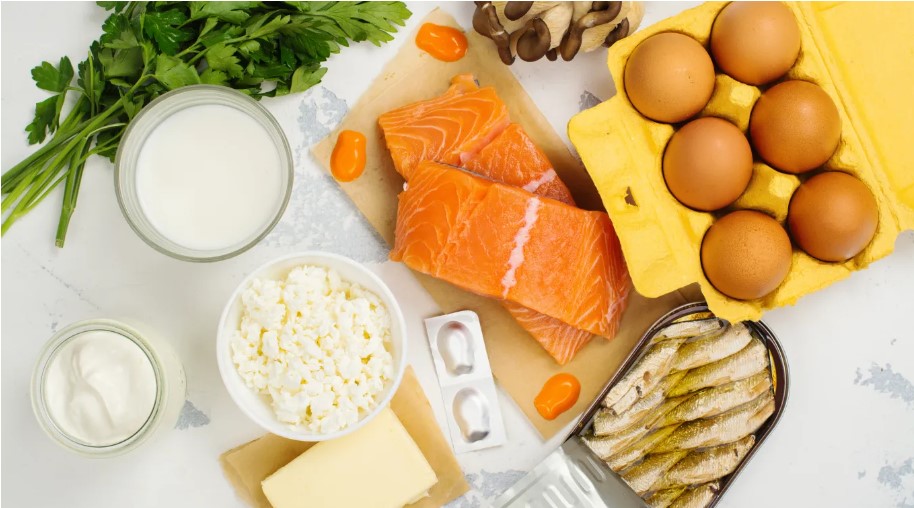
Fatty fish such as salmon, trout and sardines are rich in vitamin D, as are egg yolks and cod liver oil. Many foods are also fortified with vitamin D.
These include dairy products, most plant-based drinks, and many breakfast cereals. Below are some of the top dietary sources of vitamin D, according to the National Institutes of Health and the Department of Agriculture.
Plus, Greek yogurt is full of protein, probiotics beneficial for gut health, vitamins, and minerals. Many brands are fortified with vitamin D.
CONTENT FOR SUBSCRIBERS
Eggs and salmon are two of the best sources of vitamin D. A recipe for scrambled eggs with smoked salmon is not only very nutritious, but you can enjoy it for breakfast, lunch or dinner.