
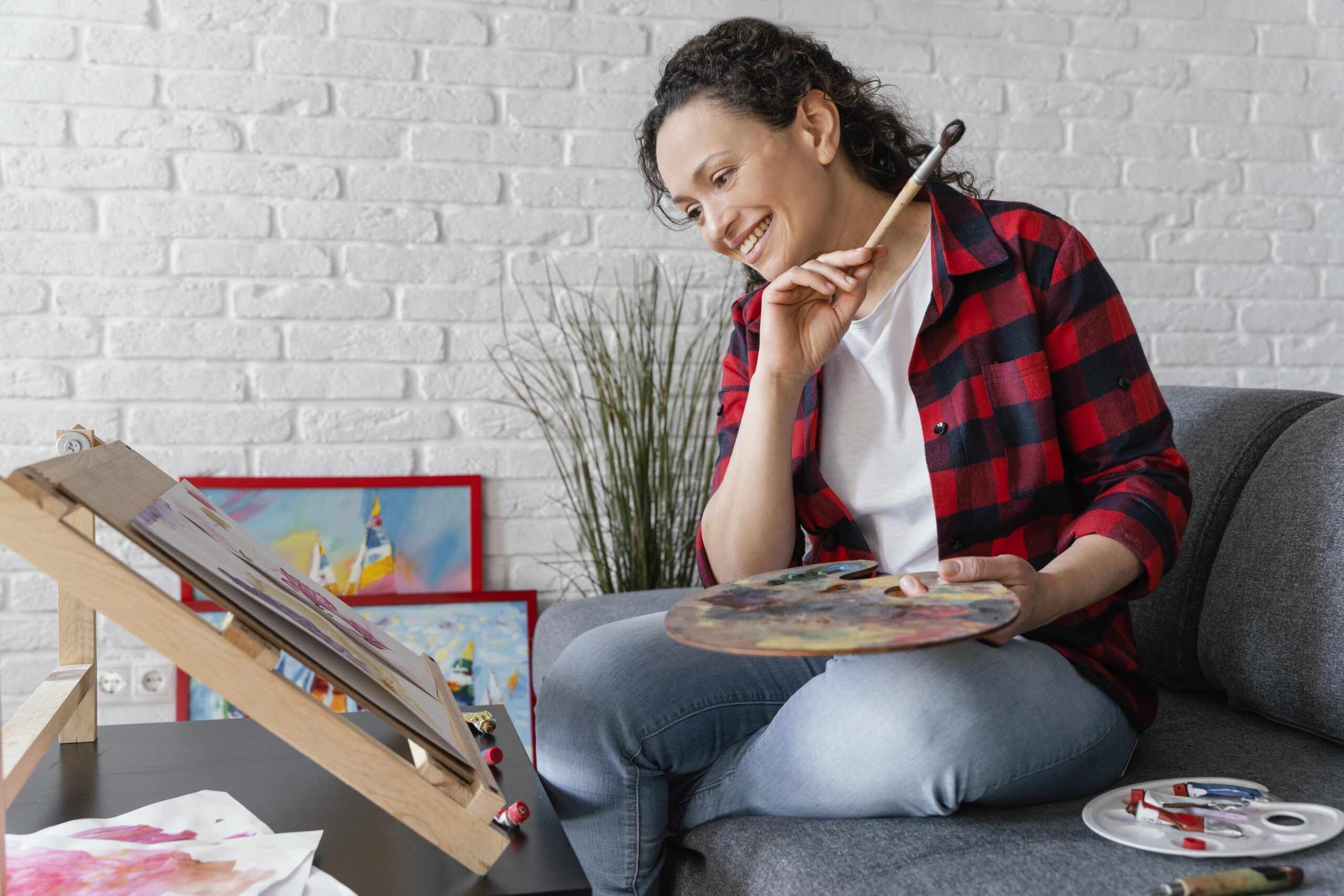
From the first years of life, social patterns are taught that, supposedly, must be followed: growing up, having a partner, getting married before a certain age and starting a home. singleness It is stigmatized as a “waiting time” that, if it lasts too long, begins to “worry.”
Contrary to social and cultural expectations, chosen solitude can generate well-being, by allowing timely and necessary space to enjoy one’s own company.
“From psychology, today it is proposed to understand singleness not as “lack of a partner”, but as a stage that has its own identity. It is suggested to see it as a space for self-knowledge, emotional autonomy and personal growth. The difference is that chosen solitude can generate well-being, while emotional loneliness is related to emotional disconnection,” explains Nancy Gálvez, clinical psychologist and master in human and organizational management.
Culturally, loneliness has been associated with abandonment, failure or melancholia. The Royal Spanish Academy even defines it as “voluntary or involuntary lack of company. Regret and melancholy felt by the absence, death or loss of someone or something.”
“Today we understand that learning to be with yourself is a psychological strengthsince a person who enjoys your company tends to make more conscious decisions and build less dependent relationships”says the expert.
Psychologist Juan Chivalán agrees that being single is a stage in the life cycle that can be very productive in a person’s life.
“You can look for or establish other ties that are not necessarily a couple; it can be friendship or with the same family. Also It can be a time of self-knowledge, of personal growthan ideal time to reflect on your own life”, he states.
Skill that strengthens
Being alone can act as an emotional mirror, because it leaves internal aspects that are normally distracted by activities or relationships more visible. Therefore, during that time insecurities, fear of rejection, may appear need for validation or feeling of “not being enough”. However, according to Gálvez, this stage can be an opportunity to get to know yourself better and strengthen self-esteem.
More than a superpower, enjoying your own company is a learning experience. According to experts, It is not about forcing yourself to love loneliness immediately, because learn to be with yourself It is an emotional skill that is strengthened with practice.
“Freud says: ‘Love and work.’ So, when a person is single, they can redirect that loving part towards their activities. When you redirect your energy there, that is where creativity arises, because, instead of directing it towards a person, you redirect it in your work, in art or other daily activities,” explains Chivalán.
The process can begin with short, pleasant moments, such as a walk outside, having a coffee, or doing something that generates personal well-being. The idea is transform alone time into a safe space and not an emotional punishment.
“It can start with small actions, such as doing activities alone, learning to identify our emotions, have hobbies and take care of our mental health. Building a personal routine helps a lot to feel more comfortable with one’s own company,” says Gálvez.
In this process, it is suggested to implement some activities and practices that will strengthen your relationship with yourself:
- Learn to do different activities without always depending on someone else
- Reduce constant comparison with other people
- Build a self-care routine
- Identify negative thoughts about being single or loneliness
- Promote healthy ties without losing personal spaces
- Seek psychological support if loneliness generates suffering
“In a world where most people seek immediate validation, being able to enjoy oneself represents emotional stability and authenticity”says the psychologist.
“I believe that when a person manages to redirect their energy in their work we can speak of a satisfied and creative person. It is a person who spreads that satisfaction, that creativity space who is living in that time,” says Chivalán.
The psychologist also suggests activities such as travel, learn new skills, cook and carry out manual and artistic activities, according to the tastes and interests of each person.
Neither selfishness nor isolation
Being alone and feeling alone are not the same. The first is a physical condition, that is, not having company at a certain time. On the other hand, feeling alone is an emotional experience that can appear even when surrounded by people.
Therefore, learning to be with and enjoy yourself is necessary, since there will not always be someone else around. Take advantage, enjoy and feel good about yourself without depending on external validation and even Choosing one’s own company is not selfishness, but emotional autonomy, psychological well-being and self-acceptance.
According to Gálvez, this time alone favors reflection, creativity, imagination and internal connection.
“Being single does not mean being incomplete”
“being single It doesn’t mean being incomplete. Many times it is a stage in which the person knows themselves better, redefines priorities and builds well-being from other aspects of their life. From psychology, these moments help to organize thoughts, process emotions and develop greater clarity in our personal development,” he explains.
However, it is not that this choice for one’s own space is confused with social isolation. The difference between one and the other is in the intention and the search for balance.
“We are not talking about isolation, because the person continues to consolidate bonds of friendship, companionship and family.”says Chivalán.
Isolation appears when human contact is constantly avoided or loneliness is used as a defense mechanism, while emotional well-being requires both connection with oneself and meaningful bonds with other human beings.
“As human beings we need affection and connection. Balance lies in being able to enjoy personal spaces without closing yourself off emotionally to others. It is healthy to value independence, but also allow yourself healthy emotional relationships that accompany and enrich our lives,” says Gálvez.
He adds that, when a person cannot tolerate being with themselves, they usually look to their partner for a solution to emotional voids, which can lead them to have dependent relationships based on the fear of being alone. “Learning to enjoy one’s own company allows relate since the election and not from necessity”.