
Reproduction in captivity of scorpion lizard opens new hope for the conservation of the heloderma charlesbogerti, a species endemic to the Motagua Valley and considered critically endangered.
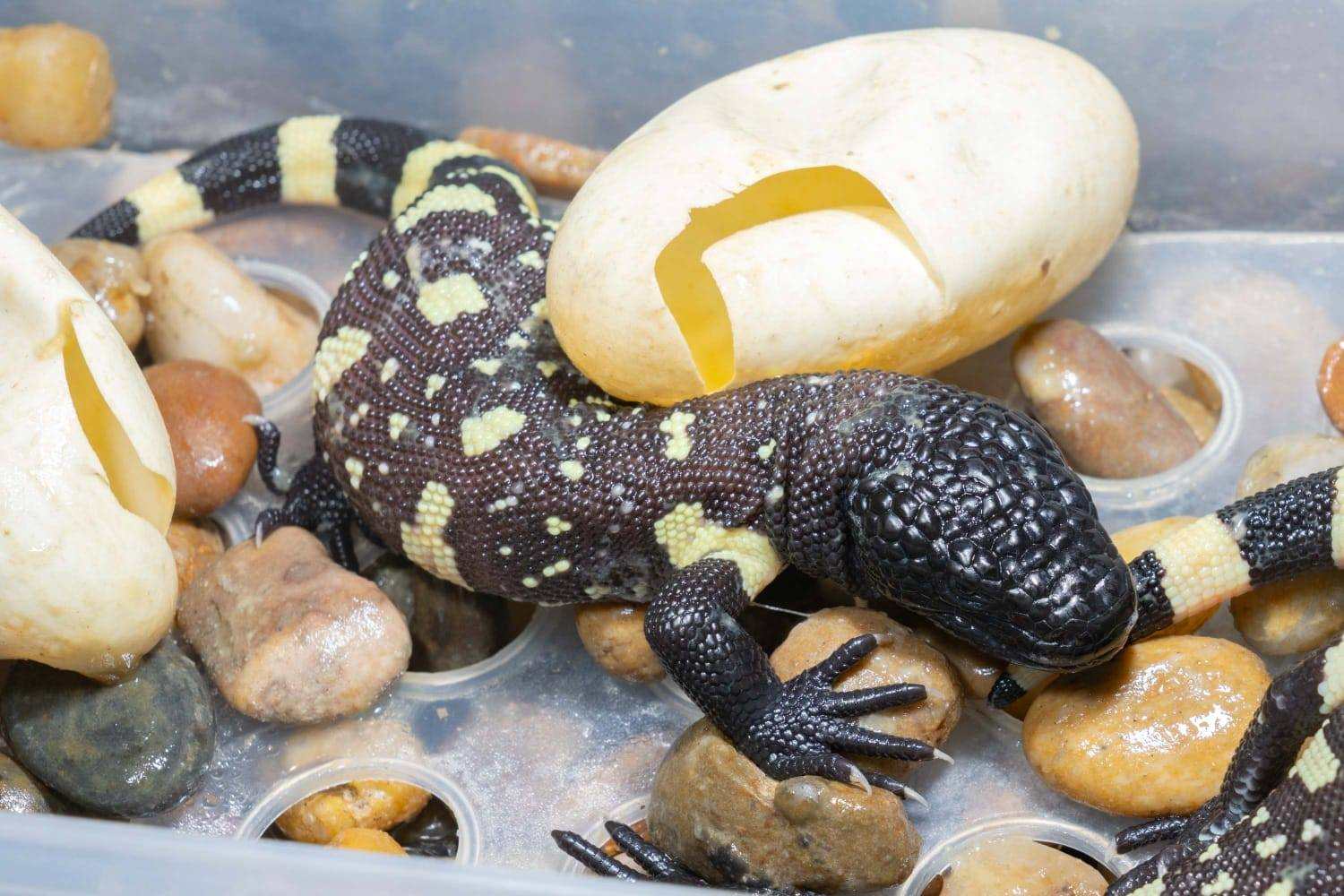
The Foundation for Endangered Species of Guatemala (Fundesgua)in coordination with the National Council of Protected Areas and the Oklahoma City Zoo and Botanical Garden, achieved the birth of five babies in a project developed within the natural habitat of the species, in the department of The Progress.
Fundesgua’s field director, Thomas Schrei, explained that the program emerged as a pilot plan to develop in Guatemala the capacity to reproduce this unique species from the Motagua dry forest.

“This was a pilot project to see if we could create the capacity in Guatemala to reproduce this species.”
Thomas Schrei, Fundesgua
A breakthrough to save the scorpion lizard
The birth of the five calves represents one of the most important advances in the conservation of the Heloderma charlesbogertipopularly known as scorpion lizardbecause it is an extremely rare reptile and difficult to reproduce.
According to Schrei, institutions in the United States began working with the species since the 1980s, although the first reproductive successes were recorded until the early 2000s at the San Diego Zoo.
Now, Fundesgua’s goal is to strengthen wild populations through a reproductive program developed entirely in Guatemala.
“The objective is to help or support natural populations,” explained the specialist.
A species with slow reproduction
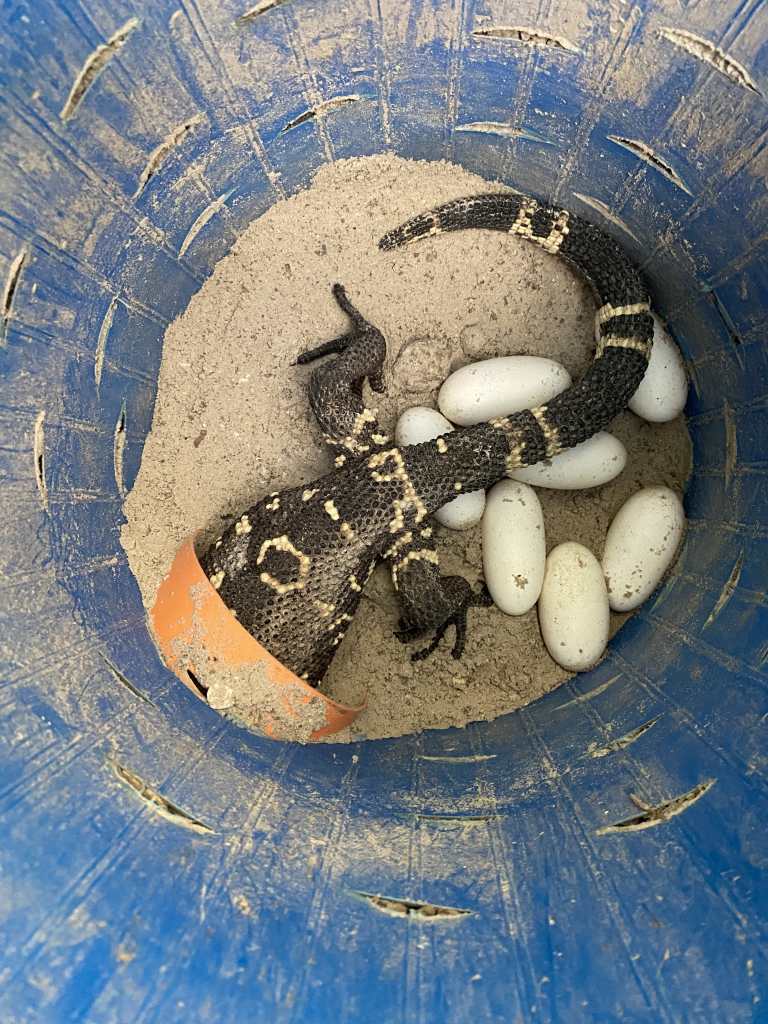
He scorpion lizard It has one of the slowest reproductive cycles among reptiles. The mating season occurs between October and November, while females lay eggs in late November or early December.
Subsequently, incubation takes between five and six months, so the babies are born at the beginning of the rainy season, when there are better conditions for feeding.
Schrei explained that the species is so rare that even in well-conserved areas it may take around 10 hectares to find a single adult specimen. Within the protected area where the project is being developed, they estimate that there could be close to 60 wild individuals.
The project was developed in the Motagua dry forest
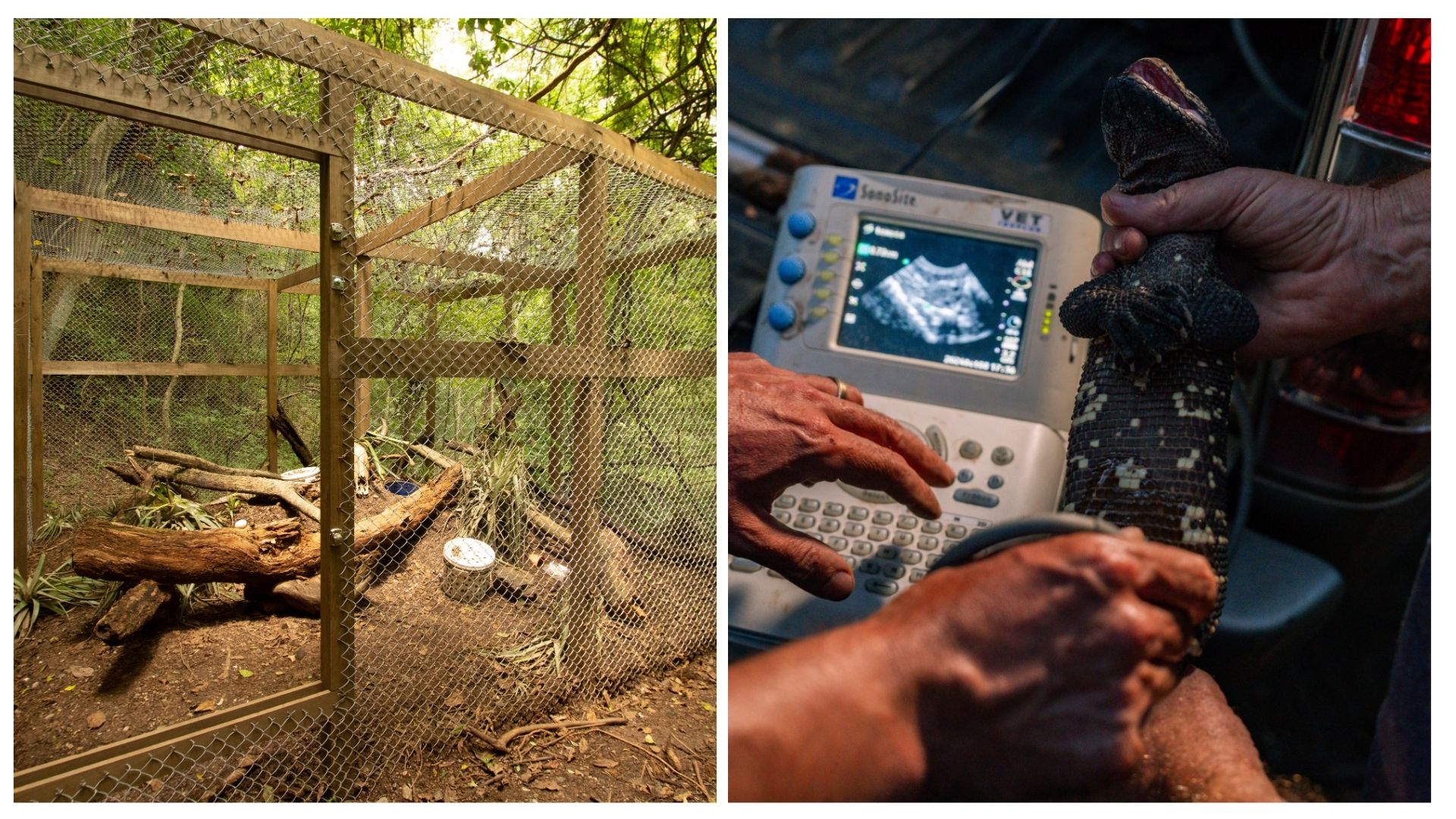
The breeding program is carried out on a private conservation farm located between Sansare and Guastatoyain the department of The Progresswithin the same natural habitat of the reptile.
According to Schrei, working directly in the dry forest allowed the animals to receive the environmental signals necessary to activate their reproductive cycle.
“The climate of the place itself gives the animals the environmental signals that are needed for their reproduction,” he commented.
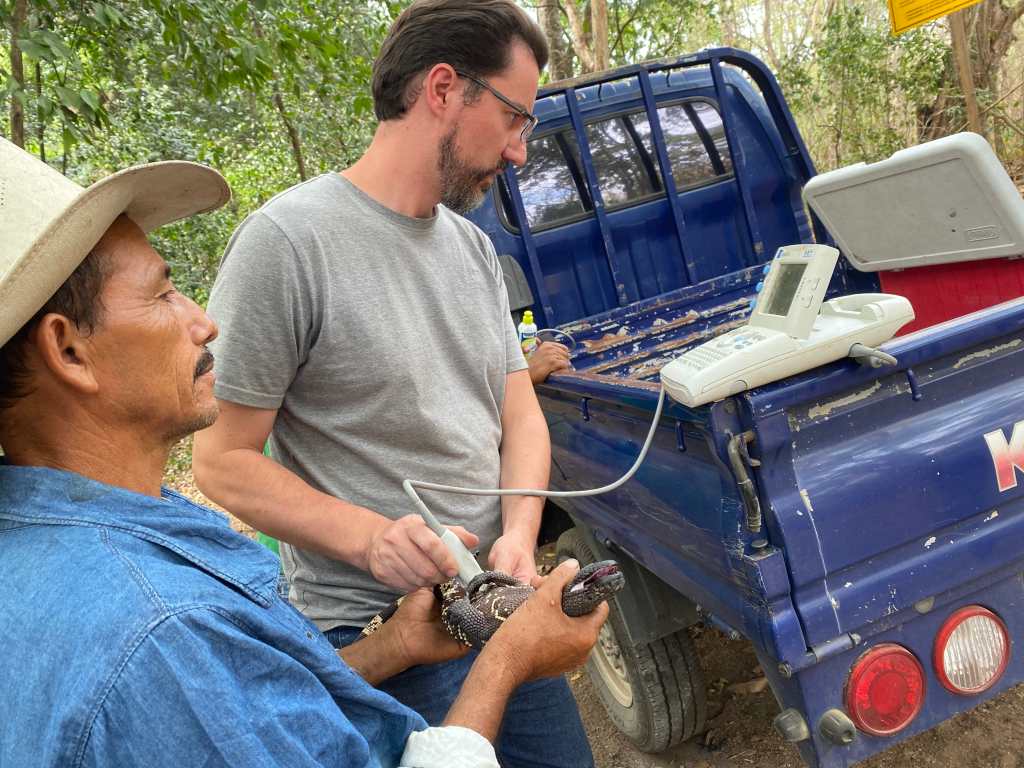
The process took five years and involved multiple challenges, including locating wild specimens authorized for the project and constantly adapting the enclosures to guarantee optimal conditions of humidity, food and substrate.
“There was a whole process of continuous improvement so that the animals were really well,” he indicated.
After several years of observation and learning, Fundesgua managed to give birth to five offspring and now hopes to expand the program to achieve constant reproduction of at least three females per year.
“We already found the key to reproduce it,” said Schrei.
He scorpion lizard It has one of the slowest reproductive cycles among reptiles: mating occurs between October and November, while the incubation of the eggs can last up to six months. (Photo, Prensa Libre: courtesy Fundesgua)
As explained by the Fundesgua researcher, achieving this result represents an important advance because the reproduction of the scorpion lizard in captivity has historically been complex. He recalled that institutions in the United States took decades to obtain successful reproductions and that, even in Guatemala, another independent project reported a calf born last year.
Historical threats to the species
The Fundesgua field director explained that the scorpion lizard faces historic threats due to habitat loss and killing caused by fear or ignorance.
“They are very sensitive to the slaughter of citizens who have the bad habit of killing every animal they find,” he lamented.
In addition, he noted that pressure on the species could go back centuries, which would have kept their populations reduced for generations.
A call to protect the biodiversity of Guatemala
Schrei called on Guatemalans to value and protect national biodiversity, especially endemic species that only exist in the country.
“Guatemala is privileged for its biodiversity. We have countless unique animals that only live in Guatemala,” he said.
He also highlighted that the scorpion lizard It is an extraordinary species within the world of reptiles. “You’re not going to find a lizard that looks like it,” he said.
Finally, he pointed out that wildlife conservation also depends on changes in people’s behavior towards natural resources.
“It’s not about big things, it’s about changing our behavior and our attitude towards the resources we have,” he concluded.