
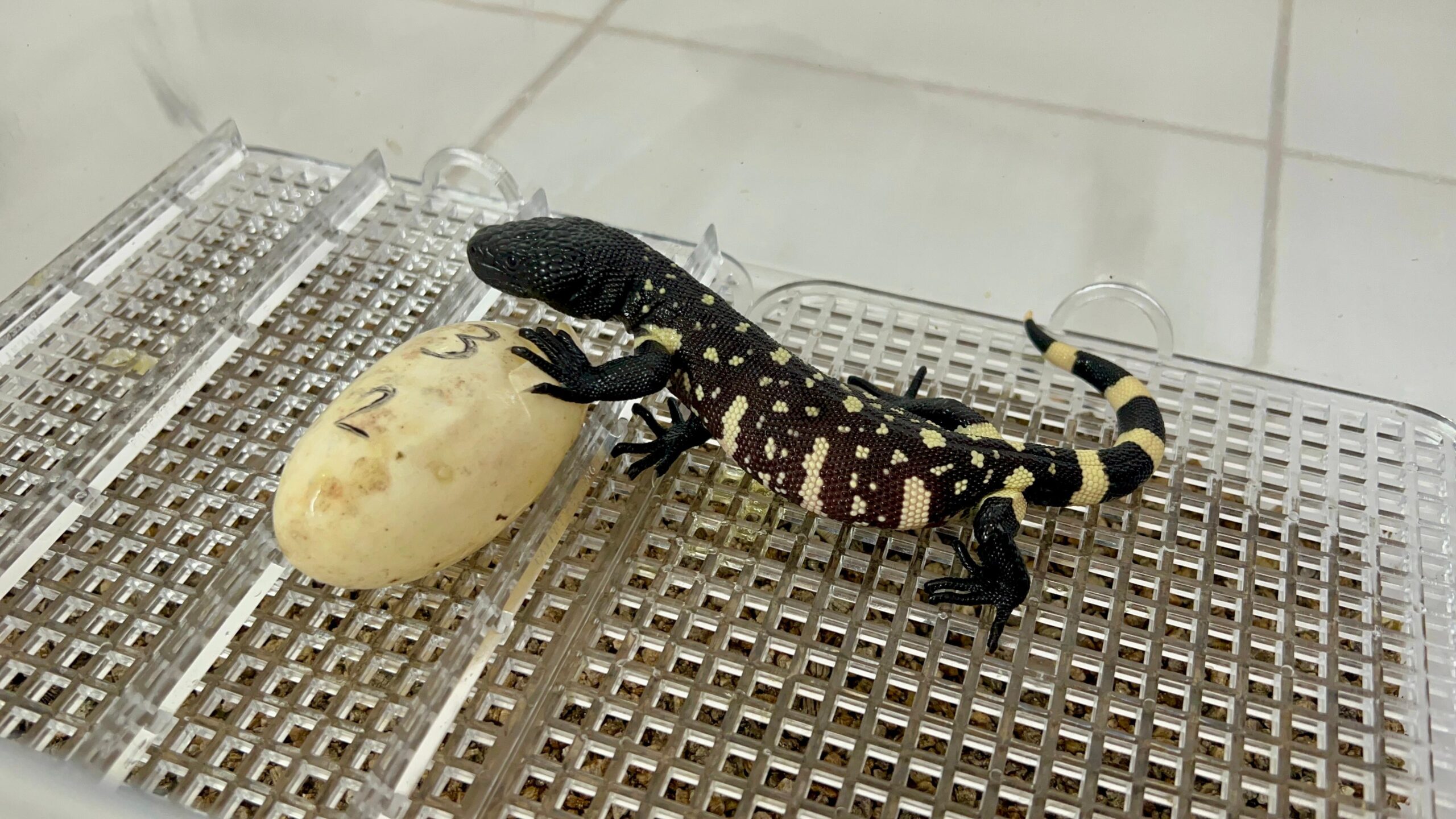
One of the largest species conservation enclosures in the country, La Aurora National Zoological Parkhas three new members. These are three babies of Heloderma charlesbogertialso known as scorpion lizards, which were born under the care of a conservation program.
Also called Sleeping Child, this birth marks the second consecutive year in which the reproduction of this species under professional care has been recorded, which consolidates this achievement as a scientific advance for the conservation of one of the most endangered reptiles in the world.
The Zoo highlighted that: “Each birth represents hope for the future of the scorpion lizard.” In 2025, the La Aurora Zoo achieved the first documented birth of this species within a conservation program ex situ in Guatemala and outside the United States. That achievement continued in 2026 with the birth of the three calves.
According to a statement from the Zoo, this species is classified as Endangered by the International Union for Conservation of Nature (IUCN), since, according to estimates, there are currently approximately 500 individuals in the wild. The species is threatened by illegal trafficking, habitat loss and climate change.
This species, which is mainly found in areas such as the Motagua Valley and the slopes of the Pacaya volcano, faces various threats. For this reason, the program protects a population made up of individuals recovered from illegal trafficking and specimens born as a result of conservation efforts.
The program, which began in 2019, integrates a select group of experts in specialized management, herpetology, veterinary medicine, population genetics and reproduction, who work on the conservation of Heloderma charlesbogerti.
The Conservation Program Heloderma and its Habitats was promoted by CONAP, in collaboration with the Universidad del Valle de Guatemala, the Heloderma Natural Reserve and Atlanta Zoo. (Free Press Photo: Courtesy La Aurora Zoo)
The birth of these three cubs represents an important advance, since the reproduction of this species “represents a considerable technical challenge due to its highly specialized biology and low natural reproductive rate,” the Zoo indicated.
For Dr. Rowland Griffin, head of Conservation at the Zoo, the birth of the Heloderma charlesbogerti evidences the technical and scientific consolidation of the program, since these specimens provide valuable information for the recovery of the species and have generated scientific data on neonatal biometry, growth and reproductive management.
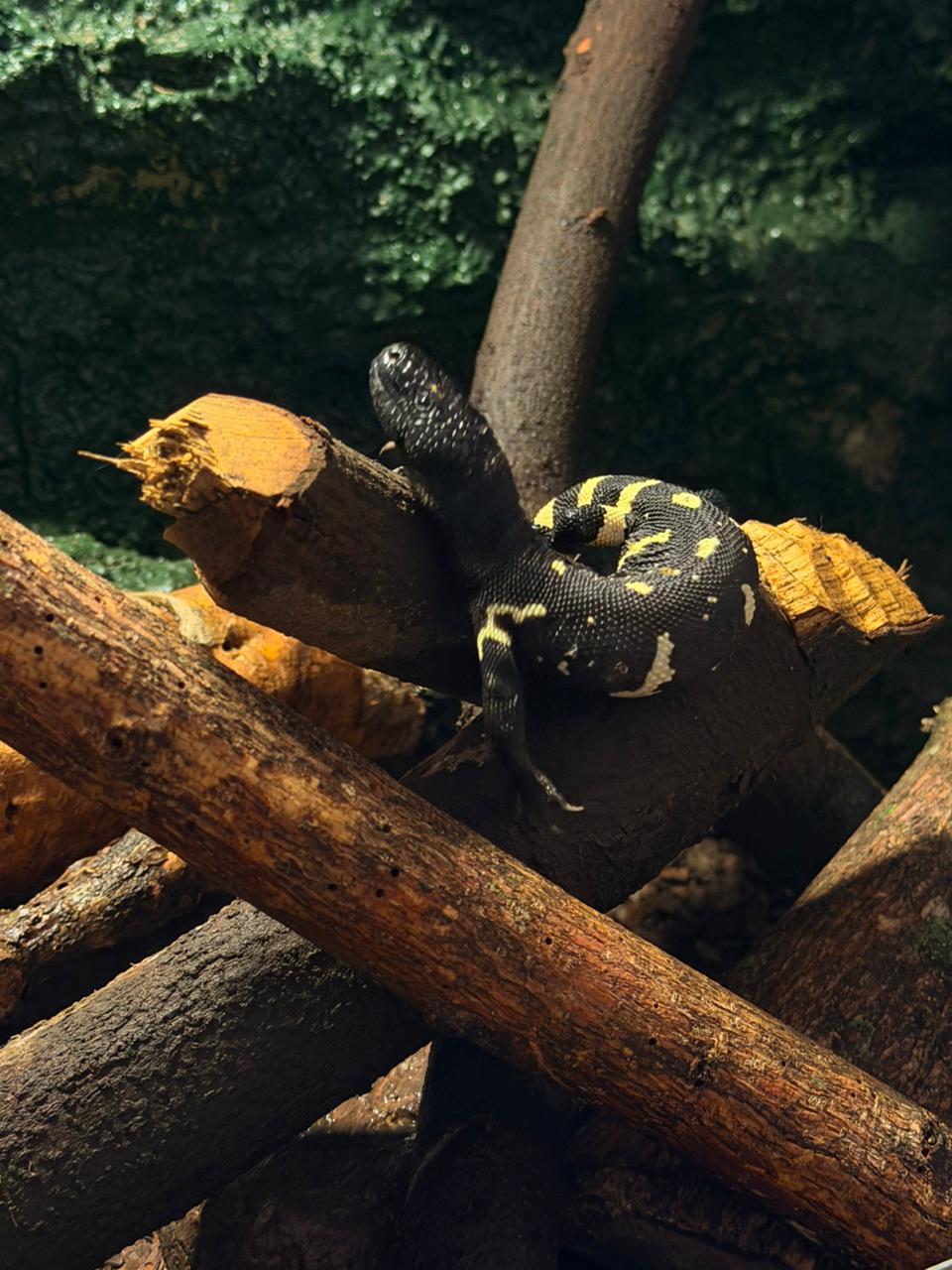
The reproductive plan developed by the La Aurora Zoo includes ethological observation, follicular monitoring, controlled reintroductions, oviposition management and artificial incubation. (Free Press Photo: Courtesy La Aurora Zoo)