
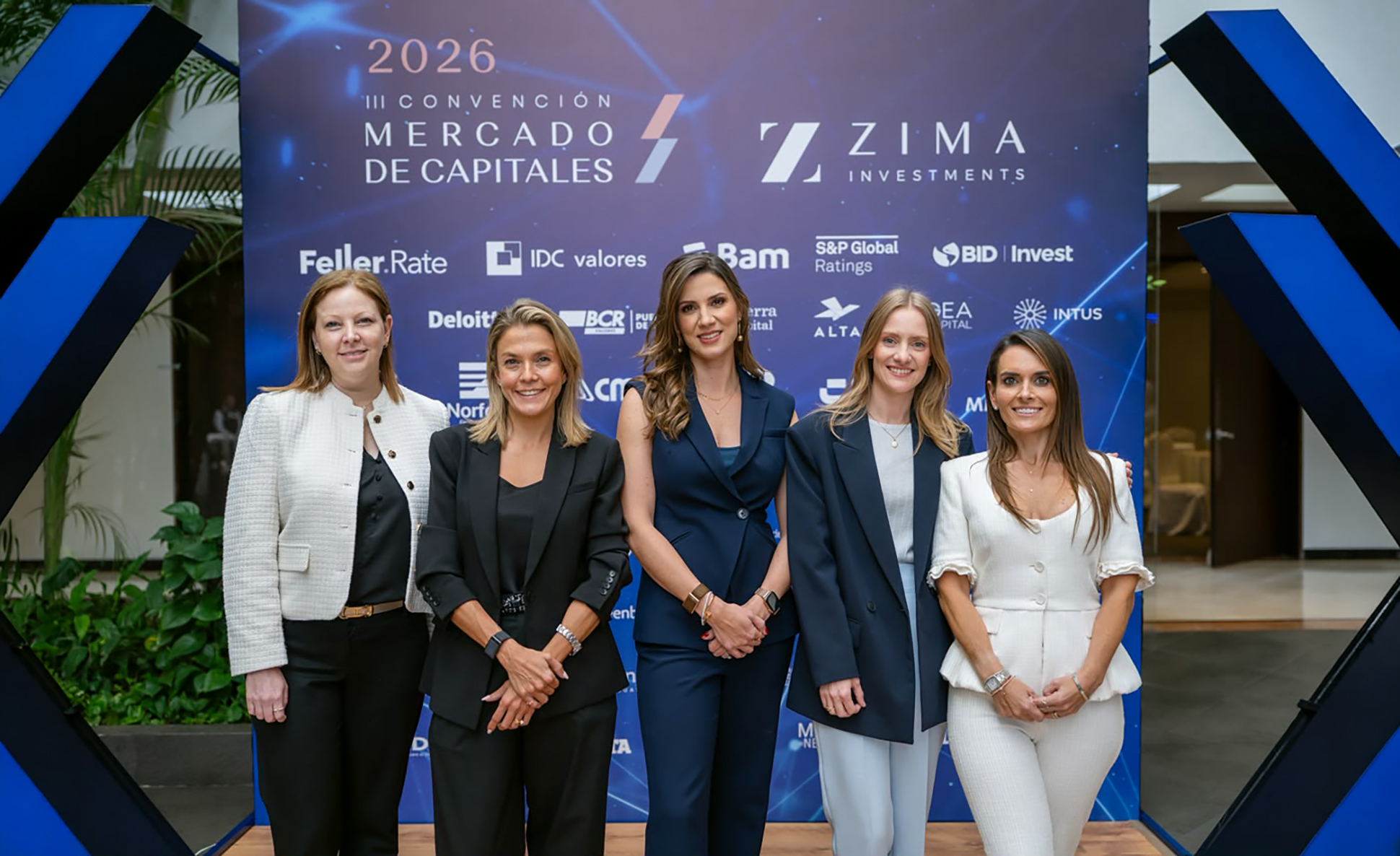
The intention of the agenda was concrete, so that each owner and CEO in the room could reflect on where their company is today versus what it requires to finance its next stage of growth, and above all, take action. More than a conference, the Convention is positioned as the space where investment opportunities, expanding companies and key players in the financial ecosystem meet to transform strategic conversations into tangible growth for companies and development for the country.
One of the central messages of the Convention was direct to the owners and CEOs in the room: the way many companies got to where they are today will not necessarily take them to their next stage of growth. Artificial intelligence and nearshoring are redefining how companies compete, grow and finance themselves, and competing on a larger scale, opening new markets and sustaining more ambitious expansion plans requires a different way of thinking about capital.
“Companies need capital to grow, but they also need a clear strategy on how to structure and diversify it. Growth is designed: the entrepreneur’s vision marks the destination, the financial strategy builds the path and trust allows the capital to arrive,” said Ana Ulloa, founder of Zima Investments.
In the next five years, Guatemala will require at least USD$14 billion of investment in strategic sectors such as energy, infrastructure, real estate, industry and retail. That figure is not only an investment need: it is a dimension of opportunity for the country and for companies seeking to grow. And the underlying question is not only where that capital will come from, but what type of capital they want to attract and whether companies are prepared to receive it.
International investors seek emerging markets with stability and growth potential, and Guatemala is experiencing its best credit rating since 2002, close to investment grade. The Convention put on the table the country’s potential to attract investment into strategic sectors such as energy, infrastructure, logistics, institutional real estate, industry and retail.
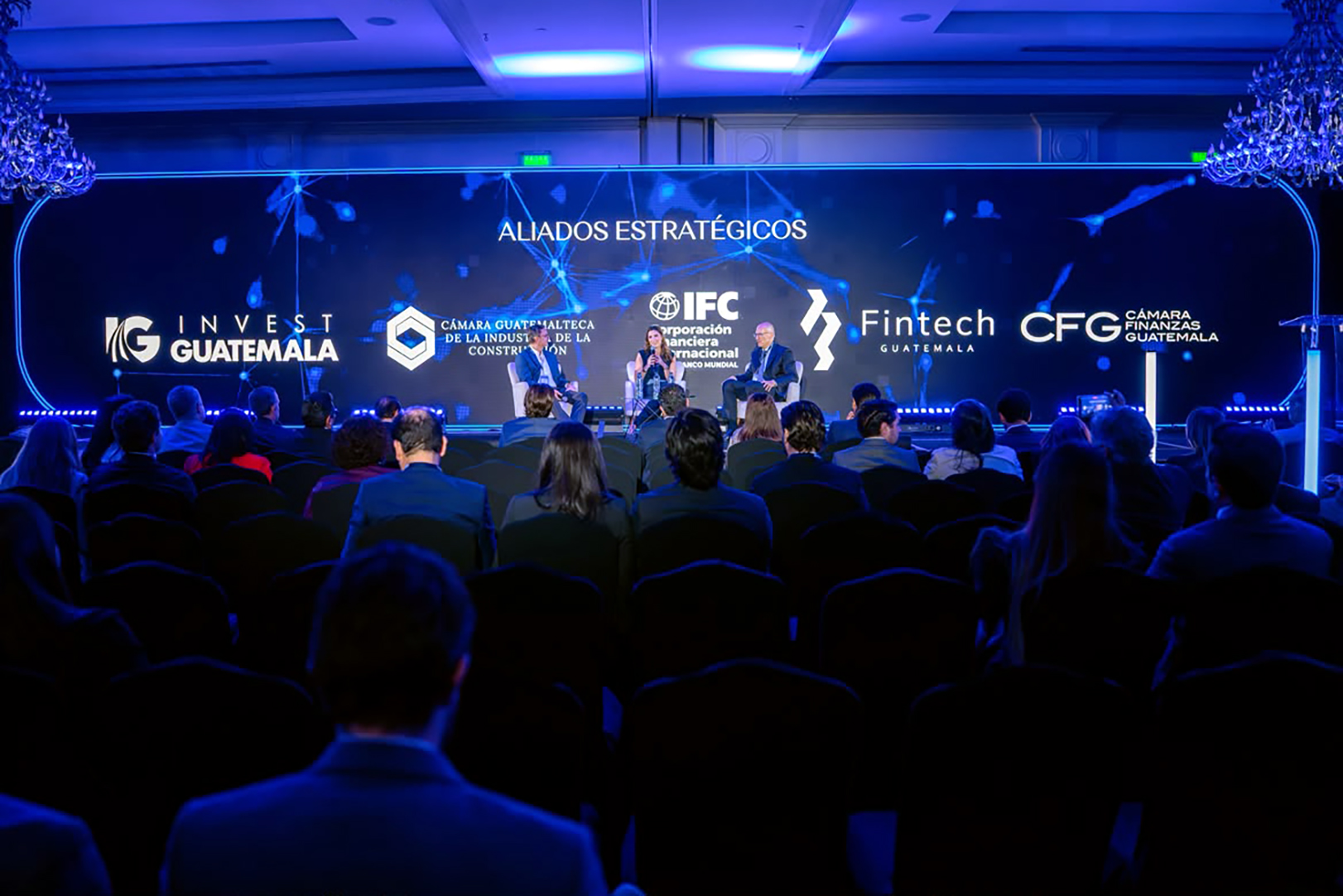
In this context, participants agreed on the importance of regulatory initiatives (such as a modern securities market law) so that Guatemala can fully capitalize on this opportunity.
“Today companies need much more than a financial transaction. They need a strategy that integrates capital, trust, reputation and long-term relationships to grow sustainably,” commented Ulloa.
Complement, not replace
Banking has been (and will continue to be) a fundamental pillar of business growth in Guatemala and the region, but the expansion plans that companies have today require longer terms, more sophisticated structures, access to different investor profiles and greater depth of capital. While in economies like the United States a significant part of business financing comes from the capital market, in Latin America more than 80% continues to depend on traditional banking. Diversifying is not about replacing banking or own capital, but about complementing them.
Guatemala not only needs more capital, but capital that raises the standard of its companies. Adequate capital brings financial benefits, but also something more powerful: reputation and international standards that validate companies, raise their level and build country confidence.
That capital, in the hands of entrepreneurs with vision and prepared companies, means growth, development and prosperity. And it comes when there are prepared companies, connected markets, reliable information and an ecosystem capable of generating trust. Because capital, no matter what country or market it comes from, always follows trust.