

Roberto Molina Barreto was re-elected for a fourth term in the Constitutional Court (CC), by designation of the Congress of the Republic, amidst indications from sectors of possible pressure from the United States to revalidate his mandate.
Now, two months after starting the new magistracy, wear and tear is growing and a narrative of division and conflicts among the magistrates has been generated in public opinion.
Molina Barreto recognizes some friction with the current president of the CC, Anabella Morfín, appointed by the Executive, due to administrative matters that are not being carried out in an adequate manner and affect the work and image of the institution.
Furthermore, the magistrate suggests that part of the criticism of his work comes from groups that from the Executive try to turn him into a public enemy, after the narrative against Consuelo Porras, who left the Public Ministry (MP), was exhausted.
Yesterday you issued an internal note in which you decided to distance yourself from the cases related to the University of San Carlos de Guatemala. What leads you to make this decision?
I expressed in the plenary session what the note says in summary, which is practically my disagreement, my disagreement with the way in which the current president has directed the Court in certain cases, especially what has happened in the USAC electoral process.
Many consider that the CC’s resolutions are endorsing the re-election of Walter Mazariegos. Is this so?
It is not at all like that. The actions have been presented since February of this year, and what there was was a delay in resolving them, but they have only been situations of sending them to competent courts to establish whether the amparos meet the formal requirements for processing. Only; The election of the rector of the USAC has not been resolved.
So what do the resolutions of the CC consist of in the process of electing the rector of the USAC?
There are 10 files that should have been sent to competent courts since February of this year and were sent in May and June.
The other is precisely that the interponents of the amparos did not comply with the principles of viability of the amparo, which are, among others, the lack of legitimation, lack of connection and lack of definitiveness, which are essential requirements to be able to appeal to the applicants for amparo.
Point out activism
Since the CC began to learn about these files, there have been protests and questions regarding its performance and that of judges Julia Rivera and Dina Ochoa. How do you receive these signals?
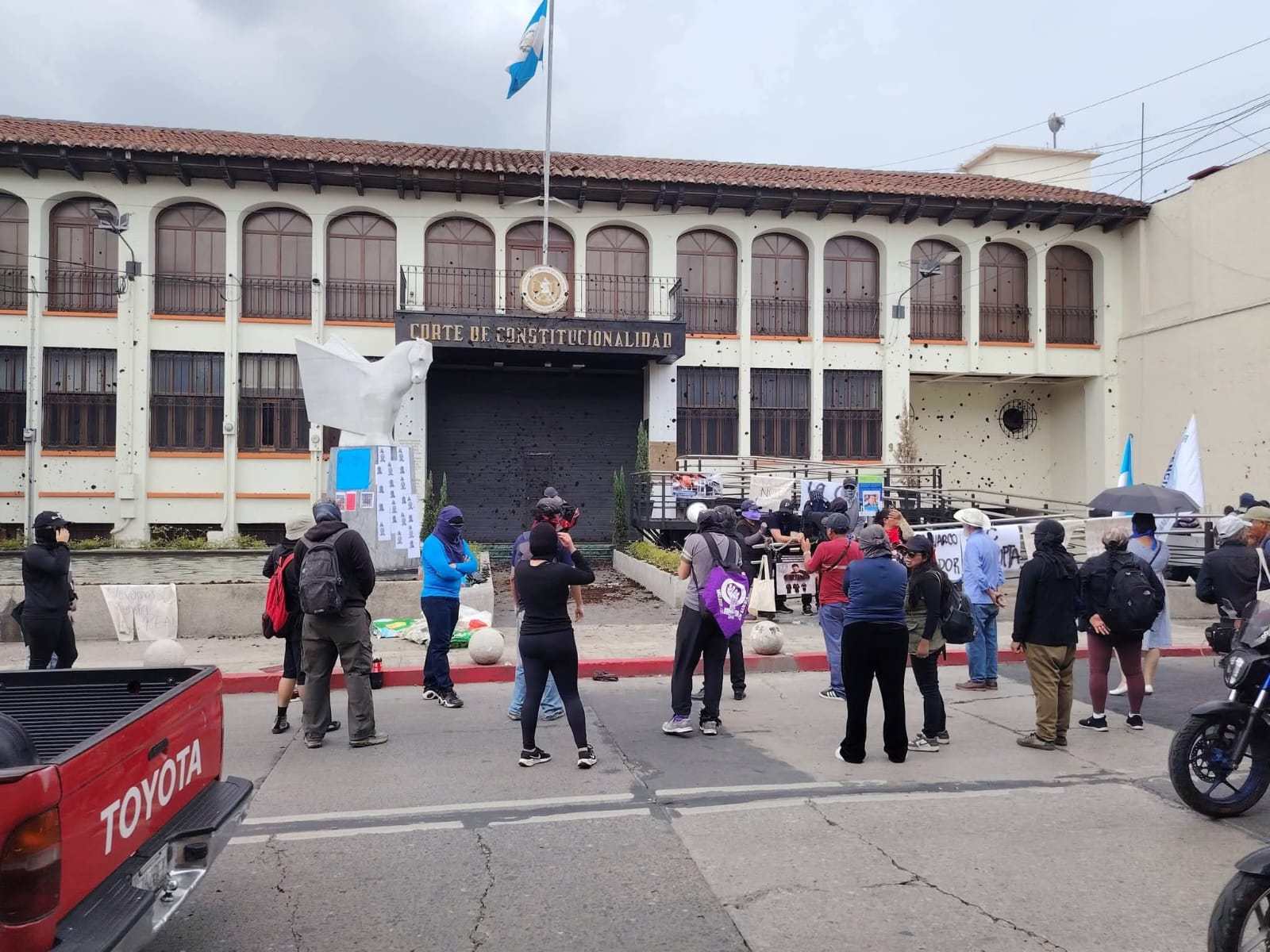
The right to demonstrate and express is free, the unfortunate thing is that these attitudes, which sometimes border on terrorism, occur because the resolutions are not read or they do not try to understand them.
But the most unfortunate thing is that it has been caused, by the CC itself, when the signing of the resolutions is deferred or postponed and this wrong expectation of what the resolutions say is caused.
If you say that the merits of the election have not been resolved. Why do you think the three judges are credited with endorsing the re-election of Walter Mazariegos?
I believe that it is a political activism of the different groups that may have been in conflict at the university, it is a normal practice and that when a resolution does not go well, then they must have excessive criticism against those who issue those rulings. It is different when the resolutions favor them, and then they applaud them.
These cases have left several reasoned votes. In general terms, what do they consist of?
The votes that I have cast, and that of judges Ochoa and Rivera, show precisely how irregular and anomalous the delay in summoning the files to the plenary session of judges and especially the signing of the rulings has meant, which, as you well know, the signature is an immediate consequence after a deliberation has been exhausted.
The rulings have been signed 8 or 10 days later, which has caused this expectation on the part of the protesters and the abuse of their right to demonstrate.
Were these practices seen in the last presidency of the previous magistracy?
The last president—Leyla Lemus—also postponed the call several times, because the actions for the election of the rector were presented since February, because they were preventive protections.
These actions were before the April 8 electoral event and, however, were not resolved until after that election. This irregular practice is not common and I can say it as I have been in more than three magistrates in the CC.
What it does show—this delay—is a particular interest on the part of those who run the Court to be able to not only affect, but also favor the political groups that can be represented.
Do you consider that there is impartiality on the part of one or some members of the CC to resolve these types of cases?
It is something that I leave to public opinion, but it does appear among the files that one of the judges has been a lawyer, assistant and director of the political activist groups that act in the electoral process of the rector of the USAC.
Split CC?
Many people, including analysts, split CC 3 to 2 in terms of strength correlation. Can we understand why this division is due?
I believe that is the saying of three or four activists or public opinion leaders, in quotes, who want to express that. That—division of votes 3 to 2—has only occurred in the process of the University of San Carlos of Guatemala. In general terms the Court does not operate like this, I would tell you that more than 95% of the resolutions are issued unanimously.
If the substance of the election of the rector of the USAC has not been resolved, what message should the CC give to the population?
That they do not allow themselves to be guided by false leaders or professionals who give their opinion without even reading or understanding the resolutions, and that they find out on their own in order to have a guided opinion, and, above all, that they do not lend themselves to a political game of those who aspire to participation, pardon the redundancy, in politics in the future.
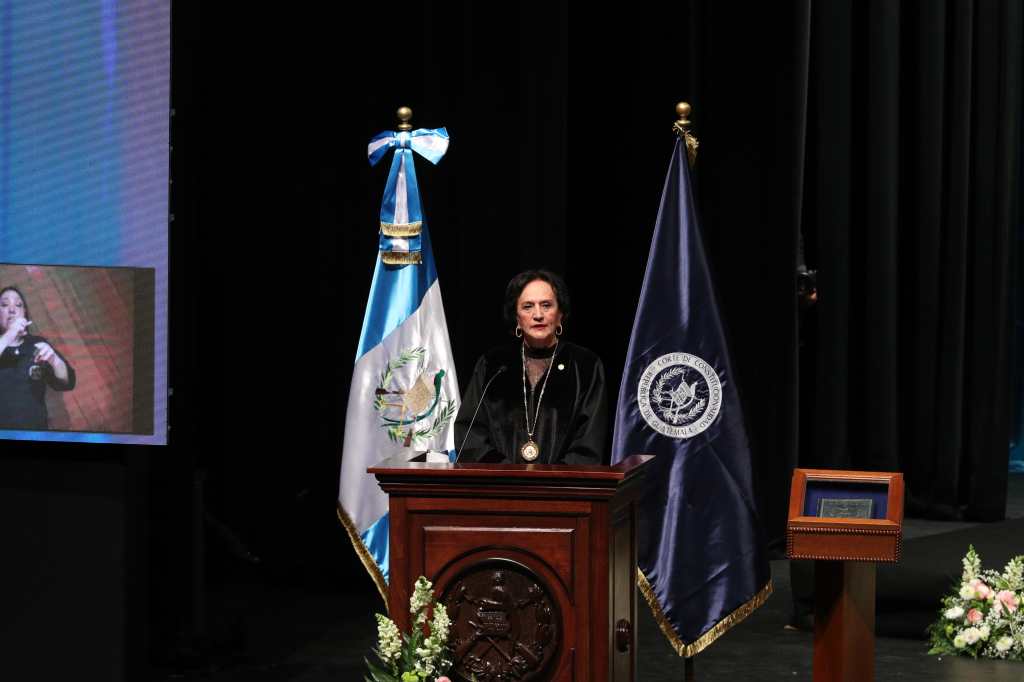
You began by explaining that you do not agree with some decisions of the presiding judge, Anabella Morfin. What is your working relationship with her like, is there any kind of enmity or problems in the working relationship?
There is cordiality with all my colleagues. What is criticizable is that the presiding judge—Anabella Morfin—has not understood the dynamics of the Court, which she finds after 40 years that she was an official in the institution.
The dynamics and modernism require a more agile attitude and more respect for the decisions made by the Court, without any type of bias.
With the current situation, what should the CC or the president of this institution do to avoid further wear and tear?
I think that having the prudence to detect the matters that come before the Court to make timely calls and not out of time; In addition, respect the criteria and resolution of the majority of the court when you do not agree with it.
That is what reasoned votes are for, but they cannot defer or postpone the signing of the rulings, because this motivates not only the increase in conflict among the interested groups, but also the attack on the magistrates who, obviously, are affected in their honor.
On social media there is a lot of criticism and questioning of you for your re-election in Congress. How do you respond to these criticisms about your continuity on the Court?
I believe that it is precisely as a result of my appointment, especially the opposition to my election from the official party, the practices that were used to avoid my appointment, and as many analysts say, the absence now of the former attorney general —María Consuelo Porras— causes the Executive to look for someone to blame in order to hide the political or legal uselessness that they have had in being able to succeed in their efforts.
Now a group of citizens promotes constitutional reforms in matters of justice. Do you see a reform of this type as appropriate?
I consider it an absurd initiative, which only demonstrates your disagreement with the failures of the political interests of those who promote them.
It is so absurd that they confuse the procedures of constitutional reform with the procedures of a consultation on matters of public interest that can be made to the population, and the most regrettable thing is that even those who made the Constitution do it.